
How To Decarb Kief?
- Paul Murdoch
- No Comments
If you’ve ever collected kief from your grinder or sifted it from your cannabis buds, you might be wondering how to get the most out of it. The answer? Decarboxylation. Without this crucial step, your kief won’t deliver the potency you expect when making edibles, tinctures, or infusions.
But what exactly is decarboxylation, and how to decarb kief properly? Don’t worry, we’ve got you covered! This guide will walk you through everything you need to know—from the science behind decarbing kief to the best methods for activating its cannabinoids. We’ll also share common mistakes to avoid and how to use decarbed kief effectively. Let’s get started!to
What is Kief?
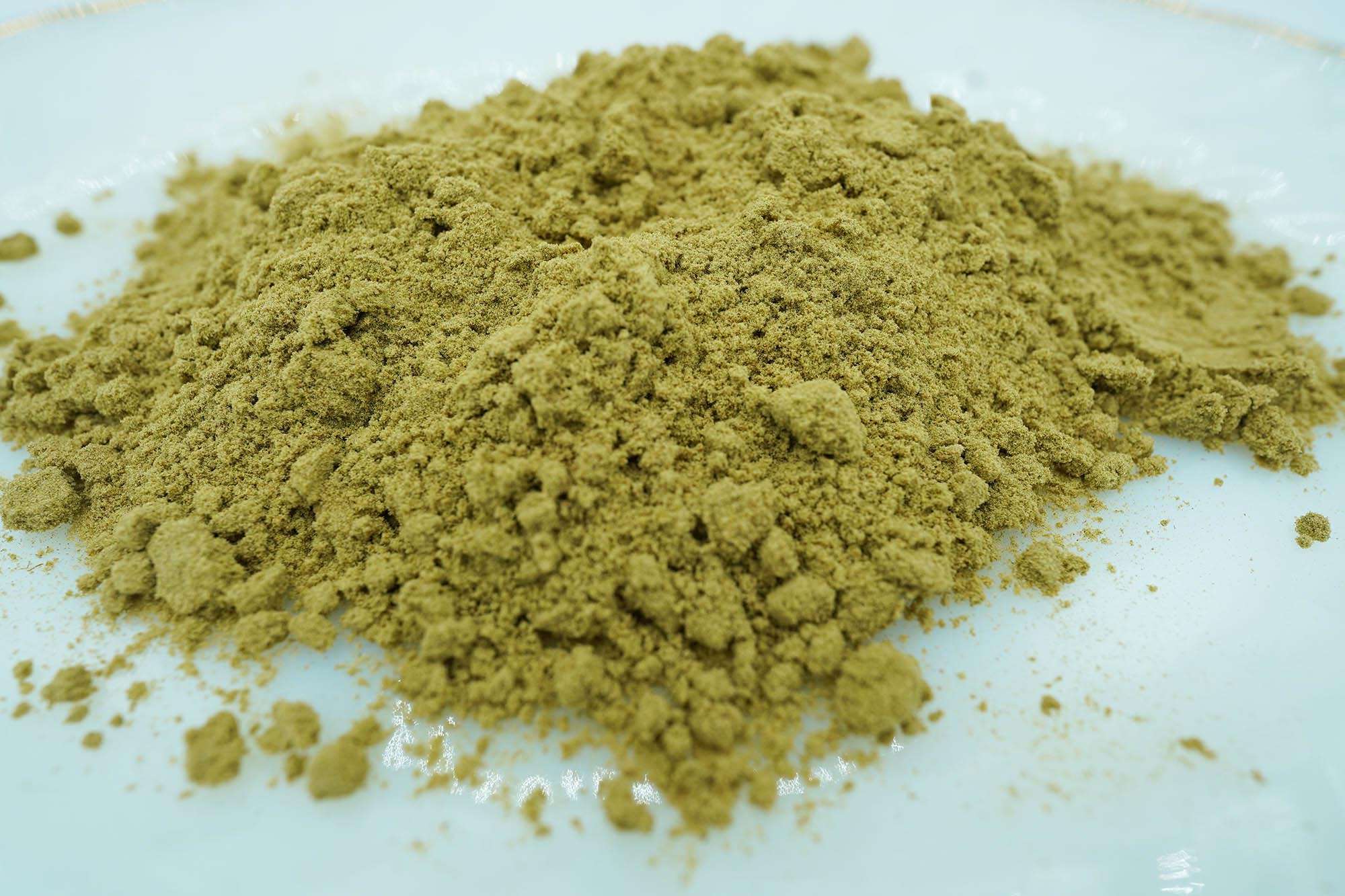
Kief is the fine, powdery substance that collects at the bottom of your grinder or is sifted from dried cannabis flowers. It consists of trichomes, which are the tiny, crystal-like resin glands packed with cannabinoids like THC and CBD and terpenes that give cannabis its aroma and effects.
Kief is highly concentrated in THC, making it a potent addition to cannabis products. However, it remains inactive in its raw form, meaning that without heat, you won’t experience the full psychoactive effects of THC.
Why is Decarboxylation Necessary?
Raw kief contains THCA (tetrahydrocannabinolic acid), which is non-psychoactive. This means that if you consume raw kief, it won’t produce the high or medicinal effects associated with THC. Decarboxylation (decarbing) applies heat to convert THCA into THC, making it active and ready for consumption.
The process involves heating kief at a specific temperature for a certain duration to maximize its potency and effectiveness in various applications like edibles, tinctures, and topicals.
If you plan to use kief in edibles, tinctures, oils, or capsules, decarbing is a must. Otherwise, you won’t get the full potency out of your product. Now, that you know why decarbing is essential, let’s dive into the best ways to decarb kief effectively.
How to Decarb Kief: Step-by-Step Guide
Decarbing kief is slightly different from flower because it’s finer and more delicate. Follow these steps for the best results.
What You’ll Need:
- Kief (your desired amount)
- Baking sheet
- Parchment paper
- Oven
- Oven thermometer (optional, for accuracy)
- Spatula or stirrer
Step 1: Preheat Your Oven
Set your oven to 220°F (104°C). This is the ideal temperature to decarb kief without burning off its cannabinoids and terpenes. Allow the oven to fully preheat before placing the kief inside.
Step 2: Prepare Your Baking Sheet
Line a baking sheet with parchment paper to prevent sticking and make cleanup easier. Spread your kief in a thin, even layer to ensure even heating.
Step 3: Bake for 25-30 Minutes
Place the tray in the oven and let the kief heat for 25-30 minutes. Stir it gently every 10 minutes to prevent hot spots and ensure even decarboxylation.
Step 4: Monitor the Color Change
As kief heats up, it will change color from a light green to a golden brown. This indicates that the THCA has converted into THC, making it ready for use.
Step 5: Remove and Cool
Once done, take the tray out and let the kief cool at room temperature. It’s now fully decarbed and ready to be used in your favorite cannabis recipes!
Alternative Methods for Decarbing Kief
If you don’t have an oven, there are other methods to decarb kief:
1. Decarbing Kief with a Mason Jar
A mason jar can help retain more terpenes, reducing smell and keeping the potency intact.
- Preheat your oven to 220°F (104°C).
- Place kief inside a mason jar, sealing it loosely.
- Put the jar on a baking tray and heat for 30-40 minutes.
- Shake the jar every 10 minutes to ensure even heating.
- Let it cool before opening.
2. Decarbing Kief Using a Sous Vide Machine
Sous vide allows precise temperature control, minimizing the risk of overheating.
- Set your sous vide machine to 203°F (95°C).
- Place kief in a vacuum-sealed bag or jar.
- Submerge in water for 90 minutes.
- Let it cool and use as desired.
3. Decarbing Kief in a Stovetop Double Boiler
This method is effective but requires constant attention to avoid overheating.
- Place a heatproof bowl over a pot of simmering water.
- Add kief to the bowl and heat for 30-40 minutes.
- Stir occasionally and remove when golden brown.
Best Ways to Use Decarbed Kief
Once your kief is decarbed, you can use it in various ways:
- Edibles – Mix it into butter, oil, or baked goods.
- Tinctures – Infuse with alcohol for an easy DIY cannabis extract.
- Capsules – Fill capsules with kief for easy dosing.
Sprinkle on Food – Add directly to meals for an instant THC boost.
Common Mistakes to Avoid When Decarbing Kief
Even though decarbing is a simple process, small mistakes can impact potency. Avoid these common errors:
- Using too high a temperature – Anything above 250°F can degrade THC and burn off terpenes.
- Not stirring kief during baking – Uneven heating can cause some parts to remain inactive.
- Skipping the cooling step – Cooling allows cannabinoids to settle, ensuring better potency.
Horn Creek Kief
We at Horn Creek Hemp are proud to present our solvent-less premium CBD pollen kief. Our extraction process, which spans a meticulous 12-hour cycle using a 151-micron mesh tumbler, results in a vibrant golden yield. Not only is our kief visually appealing, but its potency and purity make it ideal for various applications once decarbed.
Decarbing kief is more than a process; it’s an art form that requires patience, precision, and a keen eye. Whether you’re planning to integrate it into topical formulations, craft tinctures, or explore other avenues, Horn Creek Hemp’s kief ensures a high-quality starting point for all your endeavors.
Storing Decarbed Kief for Long-Term Use
To maintain the potency, flavor, and aroma of decarbed kief, store it properly:
- Use an airtight glass jar to prevent exposure to air and moisture.
- Store in a cool, dark place away from direct sunlight.
- Consider vacuum-sealing for extended freshness
Unlock the Full Power of Your Kief
Decarbing kief is a game-changer for anyone looking to maximize potency in edibles, tinctures, and more. Whether you choose the oven method, mason jar technique, or sous vide approach, proper decarboxylation ensures you get the most from your kief.
Now that you know how to decarb kief, it’s time to put this knowledge to use! Try different recipes and methods to find what works best for you. Happy experimenting!