The exploration of cannabidiol (CBD) as an antimicrobial agent has surged in recent years, alongside its more widely known uses for managing anxiety, pain, and inflammation. Studies reveal that CBD possesses unique properties that may help combat bacterial, fungal, and possibly viral infections. In this article, we will understand the antimicrobial potential of cannabidiol by reviewing existing research, examining its mechanisms, and considering its possible applications in healthcare and personal care.
What is CBD and How Does it Work?
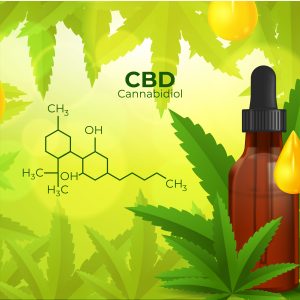
CBD is a non-psychoactive component of the cannabis plant. Unlike tetrahydrocannabinol (THC), CBD does not produce a “high” but instead interacts with the endocannabinoid system (ECS)—a regulatory system in the body that plays a role in various physiological processes such as immune response, inflammation, and pain regulation. Researchers believe CBD’s interaction with the ECS may contribute to its antimicrobial properties, though the exact mechanisms are still under investigation.
Evidence for the Antimicrobial Potential of CBD
In recent years, the rapid rise of antimicrobial resistance has spurred interest in natural alternatives to traditional antibiotics. Studies suggest that CBD has broad-spectrum antimicrobial activity, particularly against gram-positive bacteria, including antibiotic-resistant strains like Staphylococcus aureus (MRSA) and Streptococcus pneumoniae.
Antibacterial Properties of CBD
CBD’s Effectiveness Against Gram-Positive Bacteria
According to research from the American Society for Microbiology, gram-positive bacteria—organisms with a thicker peptidoglycan layer in their cell walls—are particularly vulnerable to CBD’s mechanisms. Studies indicate that CBD disrupts bacterial membranes and inhibits biofilm formation, both of which are critical to bacterial survival and colonization in host environments.
CBD’s Activity Against Methicillin-Resistant Staphylococcus Aureus (MRSA)
One of the most promising aspects of CBD is its potential activity against methicillin-resistant Staphylococcus aureus (MRSA). This antibiotic-resistant pathogen is a leading cause of hospital-acquired infections. Research has shown that CBD exhibits strong bactericidal activity against MRSA by compromising the integrity of the bacterial cell membrane. CBD works synergistically with certain antibiotics, enhancing their effectiveness, which could allow for lower antibiotic doses and potentially reduce side effects and resistance.
Antifungal Potential of CBD
Fungal infections, particularly those caused by Candida species, have proven challenging to treat due to their resistance to existing antifungal drugs. A study published in Frontiers in Cellular and Infection Microbiology highlights that CBD has demonstrated antifungal activity against Candida albicans, a common cause of oral thrush, vaginal infections, and systemic infections in immunocompromised patients. The study suggests that CBD’s ability to disrupt fungal cell walls plays a significant role in its effectiveness.
Mechanisms Behind CBD’s Antimicrobial Action
The antimicrobial mechanisms of CBD involve several pathways:
- Cell Membrane Disruption: CBD interacts directly with microbial cell membranes, causing structural damage that impairs vital cellular functions and eventually leads to cell death.
- Inhibition of Biofilm Formation: Biofilms are protective layers that bacteria and fungi produce to shield themselves from immune responses and treatments. By preventing biofilm formation, CBD renders pathogens more susceptible to treatments, which is especially valuable in hospital settings where biofilms contribute to persistent infections.
- Synergy with Antibiotics: Research has demonstrated that CBD acts synergistically with conventional antibiotics, amplifying their effects and showing particular efficacy against resistant strains. This combination has the potential to reduce antibiotic dosages, lowering the risk of side effects and the likelihood of resistance development .
Exploring the Potential of CBD in Treating Viral Infections
While research into CBD’s antiviral effects remains limited, some early studies show promising results. For instance, one study examining CBD’s influence on hepatitis C virus replication suggests that CBD may inhibit viral replication, though more research is needed to confirm its effectiveness against other viruses.
CBD as a Natural Alternative in Healthcare Settings
The rise of drug-resistant pathogens in healthcare settings has highlighted the need for innovative antimicrobial solutions. CBD’s unique properties suggest it may be a promising candidate for antiseptics, disinfectants, and topical treatments. For example, topical CBD applications could be valuable for wound infections and post-surgical care, as CBD has shown potential in reducing bacterial and fungal load on the skin.
CBD for Skin and Wound Infections
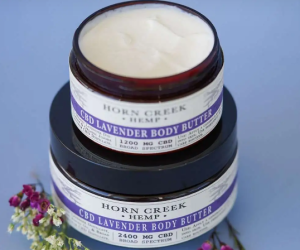
Studies suggest, CBD’s ability to reduce bacterial load and inflammation makes it a potential solution for treating skin and wound infections. For instance, CBD may be effective in managing skin infections caused by antibiotic-resistant bacteria, making it a valuable addition to wound care protocols, especially for individuals with compromised immune systems.
Dental Health and CBD’s Antimicrobial Action
Oral bacteria are major contributors to dental plaque, gingivitis, and periodontal disease. According to Science Direct, CBD’s antimicrobial and anti-inflammatory properties are currently being explored in dental applications, such as mouthwashes and toothpaste, as they may help reduce plaque formation and support gum health.
Advantages and Limitations of CBD as an Antimicrobial Agent
Benefits of CBD as an Antimicrobial
- Reduced Antibiotic Resistance: When used alongside antibiotics, CBD may allow for lower dosages, helping mitigate the risk of antibiotic resistance.
- Favorable Safety Profile: Unlike many synthetic antimicrobials, CBD is a natural compound with a favorable safety record, making it suitable for long-term or preventive use.
- Versatile Applications: CBD’s antimicrobial properties suggest it could be useful in various forms, including creams, disinfectants, and oral care products, creating opportunities for a wide range of applications in both healthcare and consumer products.
Challenges to Overcome
- Lack of Extensive Clinical Trials: Most evidence supporting CBD’s antimicrobial effects comes from laboratory studies. More clinical trials are necessary to confirm its effectiveness in real-world settings.
- Regulatory Hurdles: The rules about CBD are different in each area, and creating CBD-based antimicrobial products might run into legal and regulatory issues.
- Potential for Drug Interactions: As with any therapeutic agent, CBD may interact with other medications, requiring caution and professional consultation before use.
Future Prospects for CBD as an Antimicrobial Agent
The ability of CBD to fight germs suggests it could be an important tool in the battle against infections that don’t respond to traditional drugs. As we learn more about how CBD works, it could lead to new medicines that use CBD to help control infections. This could include everything from hospital disinfectants to dental products and skin creams. CBD’s wide-ranging ability to kill germs may provide a helpful option for dealing with some of the toughest infections we face today.
Disclaimer
The information presented about the antimicrobial properties of cannabidiol is based on scientific studies and research findings. While CBD has shown potential antibacterial effects, particularly against certain Gram-positive bacteria and some Gram-negative bacteria, these findings are still under investigation. The use of CBD as an antibiotic should not replace traditional medical treatments or therapies. Always consult with a healthcare professional before using CBD or any other substance for medicinal purposes. The effectiveness and safety of CBD can vary among individuals, and more research is needed to fully understand its antimicrobial capabilities and mechanisms.
Interesting Reads:
Guide to the Best Hemp Gummies