
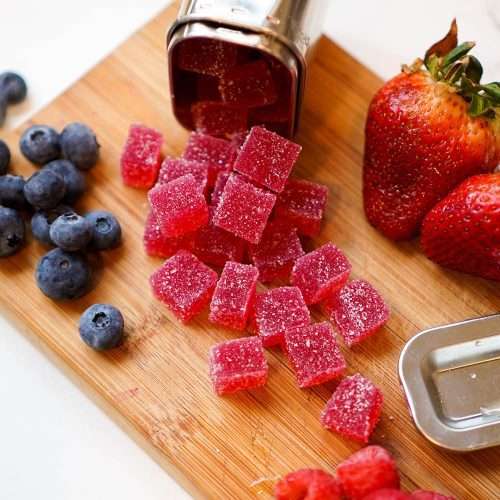
 CBD Gummies | 25mg Full Spectrum | Oregon Mixed Berries
 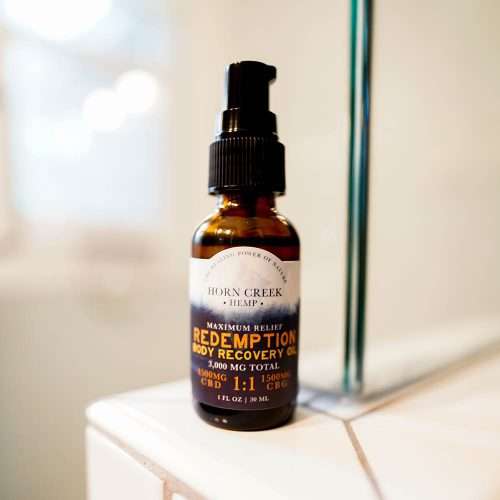 Redemption Body Recovery Oil
 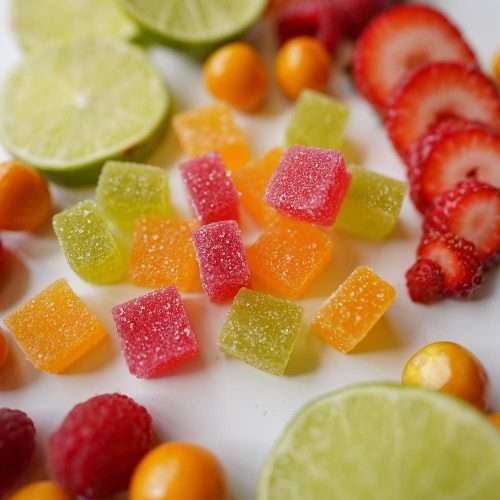 CBD Gummies | 25mg THC-Free | Tropical Sours
 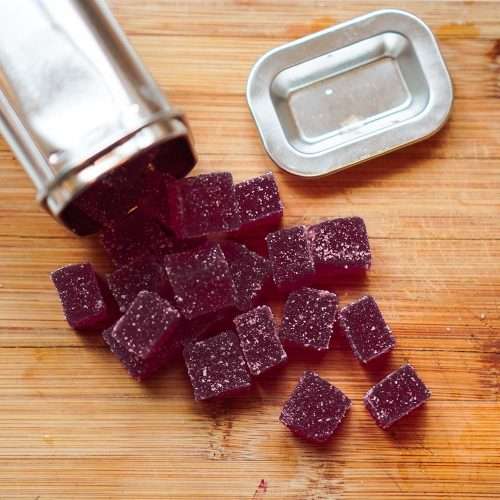 CBD Gummies | 25mg CBD + 5mg CBN | Sleepytime Elderberry
  DIY CBD Hemp Tincture Kit
  Cinnamon | The Daily CBD Tincture
  Dreamland Sleep Tincture | CBD + CBG + CBN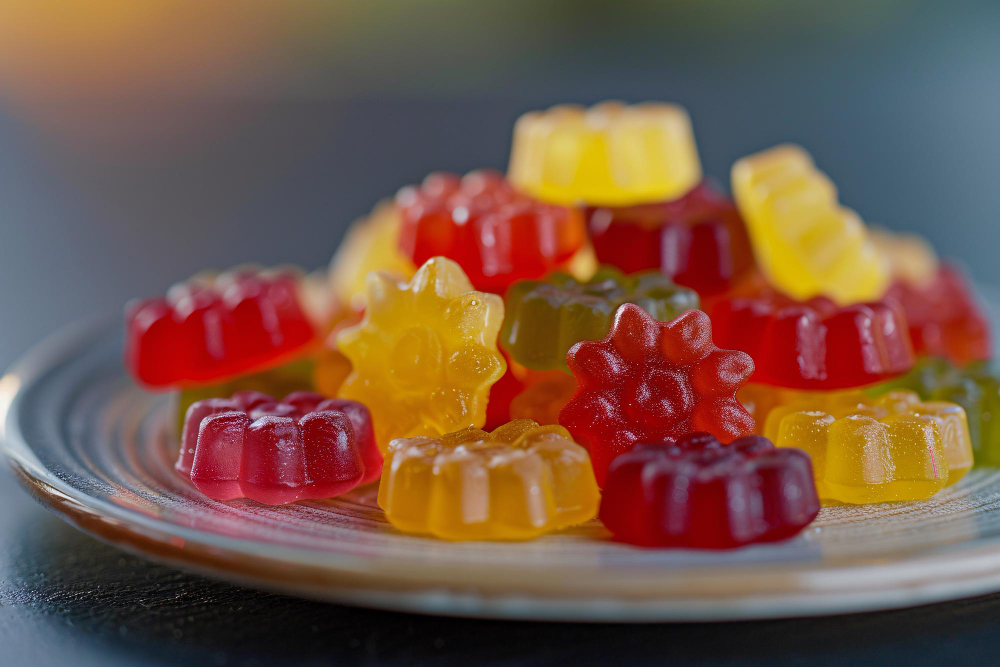
Pectin and gelatin are two popular ingredients used in cooking and baking to thicken, set, or gel foods. They might seem similar, but they come from different sources and work in unique ways. Understanding their differences can help you choose the right one for your recipes, whether you’re making jams, jellies, or delicious desserts.
Pectin is a natural substance found in fruits, while gelatin is derived from animal collagen. Both have their own strengths and are used in a variety of culinary applications. Knowing when and how to use each one can make a big difference in the texture and consistency of your dishes.
Understanding Pectin
What is Pectin?
Pectin is a natural substance found in the cell walls of fruits and vegetables. It helps plants keep their shape and structure. When we use pectin in cooking, it acts as a thickening agent, especially in making jams and jellies.
Pectin needs sugar and acid to form a gel, which is why it’s perfect for fruit preserves. It’s most commonly extracted from apples and citrus fruits.
In commercial form, pectin is a white to light brown powder that dissolves in water. It’s popular because it can create a firm texture without adding much flavor, making it ideal for various fruit-based recipes.
Types of Pectin
There are two main types of pectin used in food processing:
- High-Methoxyl (HM) Pectin: Requires high sugar content and an acidic environment to gel. It is commonly used in making jams and jellies.
- Low-Methoxyl (LM) Pectin: Can gel with lower sugar levels and in the presence of calcium ions. It is often used in low-sugar or sugar-free products and dairy-based desserts.
How Pectin Works
Pectin works by forming a gel when it is heated with sugar and acid. When you cook fruit with sugar and add pectin, the heat causes the pectin molecules to release from the fruit’s cell walls and disperse in the mixture.
The sugar helps draw water away from the pectin, and the acid helps the pectin molecules come together and form a network.
As the mixture cools, this network traps the liquid, creating a thick, jelly-like texture. This process is why pectin is essential for making jams, jellies, and other fruit preserves, giving them their firm, spreadable consistency.
What Is Pectin Used For?
- Jams and Jellies: Pectin is the primary gelling agent used to create the thick consistency of these spreads.
- Fruit Preserves: Helps in maintaining the structure and texture of preserved fruits.
- Bakery Fillings: Provides stability and prevents moisture migration in pastries and baked goods.
- Confectionery: Used in making gummy candies and fruit snacks.
Understanding Gelatin
What is Gelatin?
Gelatin is a protein that comes from collagen, which is found in the bones, skin, and connective tissues of animals. It is made by boiling these animal parts to extract the collagen, which is then dried and turned into a powder or sheets.
When you mix gelatin with hot water, it dissolves and forms a clear, colorless, and flavorless gel as it cools. This gelling property makes gelatin a popular ingredient in many recipes, such as gummy candies, marshmallows, and desserts like mousse and panna cotta. Gelatin is unique because it melts at body temperature, giving foods a smooth, melt-in-the-mouth texture.
Types of Gelatin
Gelatin is available in several forms, each with specific applications:
- Sheet Gelatin: Also known as leaf gelatin, it is preferred by professional chefs for its consistency and ease of use.
- Powdered Gelatin: Commonly used in home cooking and baking, it is easily dissolved in warm water.
- Granulated Gelatin: Similar to powdered gelatin but with larger granules, it requires more time to dissolve.
How Gelatin Works
Gelatin works by forming a gel when it’s dissolved in hot water and then allowed to cool. When you heat gelatin, the protein chains unwind and disperse in the water. As the mixture cools, these protein chains start to bond together again, creating a network that traps the water molecules.
This network forms a gel-like structure, giving the mixture a firm, yet wobbly texture. This process makes gelatin ideal for making desserts like jelly, marshmallows, and gummy candies, as well as savory dishes like aspics and terrines. The strength of the gel depends on the amount of gelatin used and the cooling process, allowing for various textures in different recipes.
What Is Gelatin Used For?
- Desserts: Gelatin is widely used in making mousses, panna cotta, marshmallows, and gelatin desserts.
- Savory Dishes: Used in aspics, terrines, and pâtés to create a firm, sliceable texture.
- Confectionery: Essential for making gummy bears, marshmallows, and jelly candies.
- Pharmaceuticals: Used in capsules, tablets, and medicinal jellies.
- Cosmetics: Added to products like face masks and hair gels for its gelling properties.
Comparing Pectin and Gelatin
Source and Composition
- Pectin: Plant-based, derived from fruits and vegetables.
- Gelatin: Animal-based, derived from collagen in animal connective tissues.
Gelling Mechanism
- Pectin: Requires sugar and acid (HM) or calcium ions (LM) to form a gel.
- Gelatin: Forms a gel by cooling a hot solution, trapping water molecules in a protein network.
Dietary Preferences
- Pectin: Suitable for vegetarians and vegans as it is plant-based.
- Gelatin: Not suitable for vegetarians or vegans due to its animal origin.
Nutritional Content
- Pectin: Contains dietary fiber and has a negligible calorie count.
- Gelatin: Rich in protein but lacks fiber.
Texture and Consistency
- Pectin: Creates a firmer, more brittle gel.
- Gelatin: Results in a softer, more elastic gel.
Temperature Sensitivity
- Pectin: Stable at room temperature and does not melt easily.
- Gelatin: Melts at body temperature, making it ideal for melt-in-the-mouth textures.
Culinary Applications
- Pectin: Ideal for fruit-based products and low-sugar recipes.
- Gelatin: Versatile for both sweet and savory dishes, as well as confections.
Choosing Between Pectin and Gelatin
When choosing between pectin and gelatin as gelling agents, it’s essential to understand their differences, applications, and the specific requirements of your recipe.
Source and Composition
Pectin is a plant-based carbohydrate found in the cell walls of fruits, particularly in apples, citrus fruits, and plums. It acts as a natural thickener and is often used in jams and jellies. Pectin is a source of soluble fiber, which can provide health benefits such as lowering cholesterol and stabilizing blood sugar levels.
Gelatin, on the other hand, is derived from animal collagen, typically sourced from pigskin or cattle. It is a protein that provides a unique texture and is commonly used in products like Jell-O, marshmallows, and gummy candies. Gelatin is not suitable for vegetarians or vegans.
Setting Properties
Pectin requires both sugar and acid to set properly, making it ideal for fruit-based products. It sets quickly, often within minutes, and can be demolded in as little as 30 minutes. However, once set, pectin cannot be remelted or reworked.
Gelatin is thermoreversible, meaning it can be melted and re-set, which is advantageous if adjustments are needed during preparation. However, it takes longer to set, typically between 2 to 24 hours, and can melt if exposed to high temperatures.
Texture and Taste
Pectin provides a clean taste and a firmer texture that is less elastic compared to gelatin. It is often preferred for applications where a clear, bright appearance is desired, such as in fruit fillings or mousses.
Gelatin offers a chewy, elastic texture that is characteristic of many gummy candies and desserts. It can also impart a smooth mouthfeel to sauces and dairy products.
Nutritional Aspects
Pectin is primarily composed of carbohydrates and provides dietary fiber, while gelatin is almost entirely protein, containing various amino acids essential for human health, except for tryptophan
Can you use pectin instead of gelatin?
Pectin is a plant-based gelling agent, while gelatin comes from animal collagen. Pectin is great for recipes like jams, jellies, and fruit preserves because it works well with the natural acids and sugars in fruits. It needs sugar and acid to set properly, so it’s perfect for sweet, fruity dishes.
Pectin might not work as well in recipes that require the unique texture of gelatin, such as gummy candies or desserts like panna cotta and mousse. Gelatin gives these dishes a smooth, melt-in-the-mouth texture that pectin can’t quite replicate. So, while you can sometimes substitute pectin for gelatin, it’s important to consider the specific recipe and the desired texture.
Pectin Is In Horn Creek Mixed Berries CBD Gummies
Horn Creek Mixed Berries CBD Gummies use pectin to create their delicious texture. Pectin, a natural substance found in fruits, helps these gummies achieve their firm, chewy consistency without using animal products. This makes the gummies a great option for vegetarians and vegans who are looking for a plant-based treat.
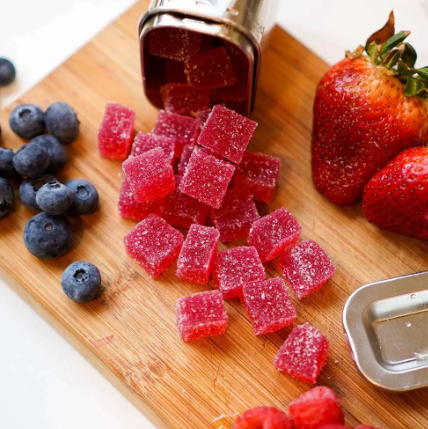
In addition to pectin, these gummies are infused with 25mg of CBD per piece, offering a tasty and convenient way to enjoy the benefits of CBD. The mixed berries flavor, combined with the smooth texture provided by pectin, makes these gummies a delightful and effective addition to your daily wellness routine.
Final Thoughts On Pectin and Gelatin
Pectin and gelatin are both used to thicken and stabilize foods, but they come from different sources and have different properties. Pectin is a plant-based substance found in fruits, making it a great choice for vegetarians and vegans. It works well in jams and jellies and needs sugar and acid to set properly.
Gelatin, on the other hand, is derived from animal collagen, usually from bones or skin. It’s commonly used in desserts like jell-o and marshmallows. Gelatin requires heating to dissolve and sets as it cools.
Interesting Reads: