 CBD Gummies | 25mg Full Spectrum | Oregon Mixed Berries
 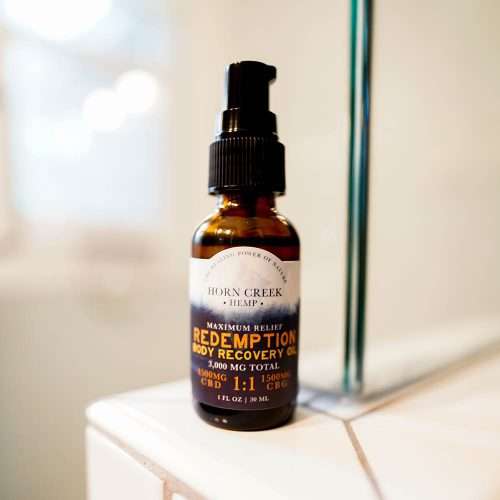 Redemption Body Recovery Oil
  CBD Gummies | 25mg THC-Free | Tropical Sours
  CBD Gummies | 25mg CBD + 5mg CBN | Sleepytime Elderberry
  DIY CBD Hemp Tincture Kit
 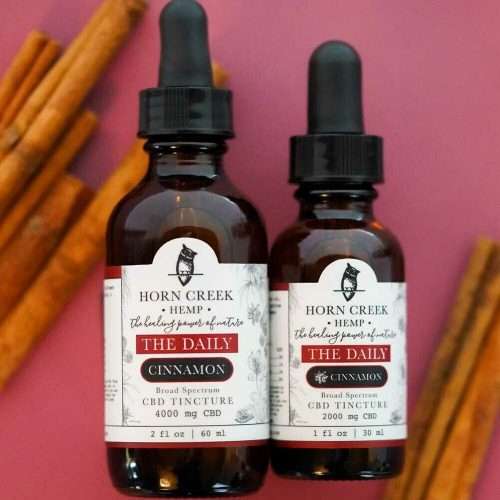 Cinnamon | The Daily CBD Tincture
 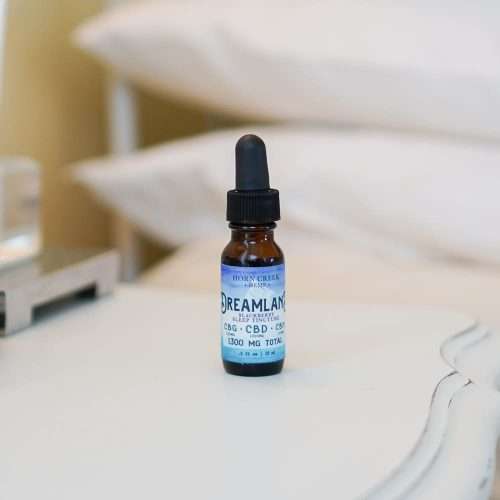 Dreamland Sleep Tincture | CBD + CBG + CBN
Dark knuckles can be a common concern for many people, affecting their appearance and self-confidence. While this darkening of the skin on the knuckles is more prevalent in individuals with darker skin tones, anyone can experience it. For some, it may be inherited, while for others, medications like birth control pills or corticosteroids, or health conditions such as diabetes or polycystic ovary syndrome, can contribute to the darkening. Although it’s often not painful, dark knuckles can make individuals feel self-conscious, especially in social or professional situations.
One natural remedy that may help improve the appearance of dark knuckles is lavender oil. Known for its soothing and healing properties, lavender oil is gentle on the skin and offers a simple, non-invasive way to lighten the skin on the knuckles. By using natural oils like lavender, individuals can work towards restoring their confidence in their appearance while caring for their skin health.
What Causes Dark Knuckles?
Dark knuckles can be caused by several different factors. Let’s examine some of the common reasons.
Acanthosis Nigricans
Acanthosis Nigricans is a skin condition where certain areas of the skin, like the knuckles, become dark, thick, and velvety. This condition is often linked to insulin resistance, which means the body isn’t using insulin effectively. It commonly occurs in people who are prediabetic or have type 2 diabetes. As the body struggles with insulin, skin cells grow rapidly, causing patches of darkened skin, often around the knuckles, neck, and armpits.
Prediabetes and Diabetes
In people with prediabetes and diabetes, insulin resistance can lead to skin darkening, especially on the knuckles. When the body cannot properly use insulin, the hormone builds up in the blood, affecting the skin’s pigment-producing cells. This can result in hyperpigmentation, or darker skin patches, including on the knuckles. Managing blood sugar levels through diet and medication can help reduce this effect.
Vitamin B-12 Deficiency
A lack of Vitamin B-12 in the body can lead to skin discoloration, including dark knuckles. This vitamin is essential for producing healthy red blood cells and maintaining the skin. When there is a deficiency, it can cause hyperpigmentation, especially on areas like the knuckles, lips, and fingertips. Ensuring adequate intake of Vitamin B-12, either through diet or supplements, can help improve skin health.
Drug Reactions
Certain medications, such as birth control pills, chemotherapy, or other hormonal treatments, can cause darkening of the skin, a condition known as hyperpigmentation. This reaction may occur because these drugs influence hormone levels or affect how skin cells function. As a result, people taking these medications may notice darker patches of skin, including on the knuckles.
Dermatomyositis
Dermatomyositis is an inflammatory disease that affects both the muscles and the skin. One of its symptoms is skin discoloration, particularly on the knuckles and other areas exposed to sunlight. The skin may become darker, redder, or develop a rash. This condition is rare, and treatment focuses on managing inflammation and immune system activity to reduce symptoms.
Addison’s Disease
Addison’s Disease is a hormonal disorder that affects the adrenal glands, which produce hormones critical for various bodily functions. One symptom of this disease is the development of dark patches on the skin, including the knuckles, due to changes in hormone levels. These dark spots are often a result of increased melanin production, which gives the skin its color.
Scleroderma
Scleroderma is a condition where the skin becomes thick, hard, and sometimes darkened. This happens because the body produces too much collagen, causing the skin to tighten and thicken. In some cases, the affected skin, including the knuckles, may also darken. Scleroderma can affect other parts of the body as well, and treatment aims to control symptoms and prevent complications.
Polycystic Ovary Syndrome (PCOS)
PCOS is a hormonal disorder that affects women, often leading to imbalances in estrogen and other hormones. These imbalances can cause a variety of skin issues, including darkened patches around the knuckles, neck, and other areas. This skin condition, often linked to insulin resistance, is common in women with PCOS and can be managed by addressing the underlying hormonal issues.
Autoimmune Disorders
Autoimmune disorders occur when the body’s immune system mistakenly attacks healthy tissues, including the skin. Some autoimmune conditions can lead to hyperpigmentation, causing dark patches on the knuckles or other parts of the body. The immune system’s overactivity may trigger changes in skin pigmentation, making areas like the knuckles appear darker than usual.
The Benefits of Lavender Oil for Skin Health
Lavender oil is widely known for its anti-inflammatory and skin-lightening properties. Research suggests, it has the ability to soothe irritated skin, making it ideal for those experiencing discomfort or inflammation on their knuckles. By reducing inflammation, lavender oil can help improve the overall appearance and feel of the skin, promoting a more even tone.
Lavender oil may also be helpful in treating hyperpigmentation, which is the main issue behind dark knuckles. It works by gently lightening the skin over time, helping to reduce the visibility of darker patches. Lavender oil promotes healing and regeneration of skin cells, which can be particularly useful for treating skin that has been damaged due to underlying conditions or irritations.
How to Use Lavender Oil to Treat Dark Knuckles
To use lavender oil to treat dark knuckles, start by cleansing your hands and patting them dry. Then, take a small amount of lavender oil and apply it directly to the affected areas on your knuckles. Gently massage the oil into the skin using circular motions, allowing it to absorb completely.
For added benefits, you can mix lavender oil with other natural ingredients like lemon juice or coconut oil, both of which have skin-brightening and moisturizing properties. A simple mixture of lavender oil and coconut oil can be applied to the knuckles daily for the best results. It’s important to be consistent, applying the oil regularly to see gradual improvements in skin tone and texture.
How Horn Creek Hemp CBD Lavender Body Butter Can Help Treat Discolored Knuckles
Horn Creek Hemp’s CBD Lavender Body Butter is designed to soothe and hydrate the skin, which can be particularly beneficial for treating discolored knuckles. The body butter contains CBD, known for its anti-inflammatory properties, which may help reduce redness and improve the overall appearance of the skin. The moisturizing ingredients in the body butter can nourish dry areas, making the skin on your knuckles look healthier and more even-toned.
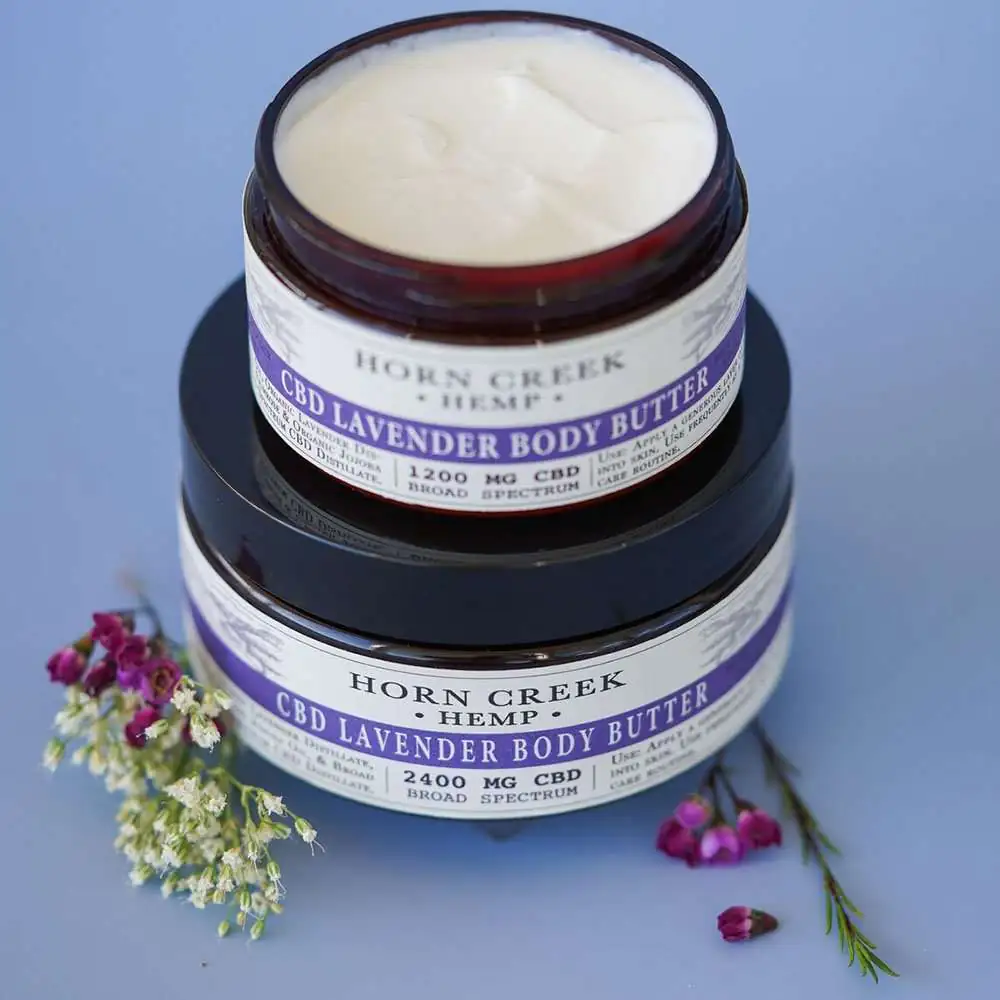
Using this body butter regularly can also provide a calming effect due to the lavender scent, promoting relaxation while you care for your skin. By applying it to black knuckles, you may notice not only improved color but also softer and more supple skin. This combination of hydration and soothing properties makes it a great option for anyone looking to address discoloration and dryness in that area.
Other Natural Remedies for Dark Knuckles
Aside from lavender oil, there are several other natural remedies that can help lighten dark knuckles. Aloe vera is known for its healing properties and can help soothe and lighten the skin over time. Applying aloe vera gel directly to the knuckles can reduce irritation and promote healthy skin regeneration. Another great remedy is turmeric, which has brightening and anti-inflammatory properties. You can create a paste using turmeric and water or yogurt, and apply it to the knuckles for 10-15 minutes before washing off.
Exfoliating scrubs made from natural ingredients like sugar or baking soda can help remove dead skin cells, which might be contributing to the dark appearance of knuckles. Gently exfoliating the knuckles a few times a week can improve skin texture and allow for better absorption of natural remedies.
When to Consult a Dermatologist
While dark knuckles can often be treated with natural remedies, there are instances where they may be a sign of a more serious underlying condition. If you notice that your knuckles are becoming progressively darker, or if you have other symptoms like fatigue, weight loss, or changes in your skin elsewhere, it may be time to consult a dermatologist. Conditions like diabetes or autoimmune disorders can sometimes manifest through skin changes, and it’s important to rule out any serious health concerns.
If the natural treatments don’t seem to be helping or the condition worsens, seeking professional advice is important. A dermatologist can provide a more accurate diagnosis and recommend medical treatments if needed.
Bottom Line
Dark knuckles can be caused by a variety of factors, ranging from insulin resistance to vitamin deficiencies and skin conditions. While this issue can affect confidence, natural remedies like lavender oil offer a gentle and effective way to treat it. Lavender oil’s soothing, anti-inflammatory, and skin-lightening properties make it a promising solution for dark knuckles. However, if symptoms persist or worsen, it’s crucial to seek medical advice, as this could indicate a more serious underlying condition.
Interesting Reads: