 Redemption Body Recovery Oil
  CBD Gummies | 25mg THC-Free | Tropical Sours
  CBD Gummies | 25mg CBD + 5mg CBN | Sleepytime Elderberry
  DIY CBD Hemp Tincture Kit
  Cinnamon | The Daily CBD Tincture
  Dreamland Sleep Tincture | CBD + CBG + CBN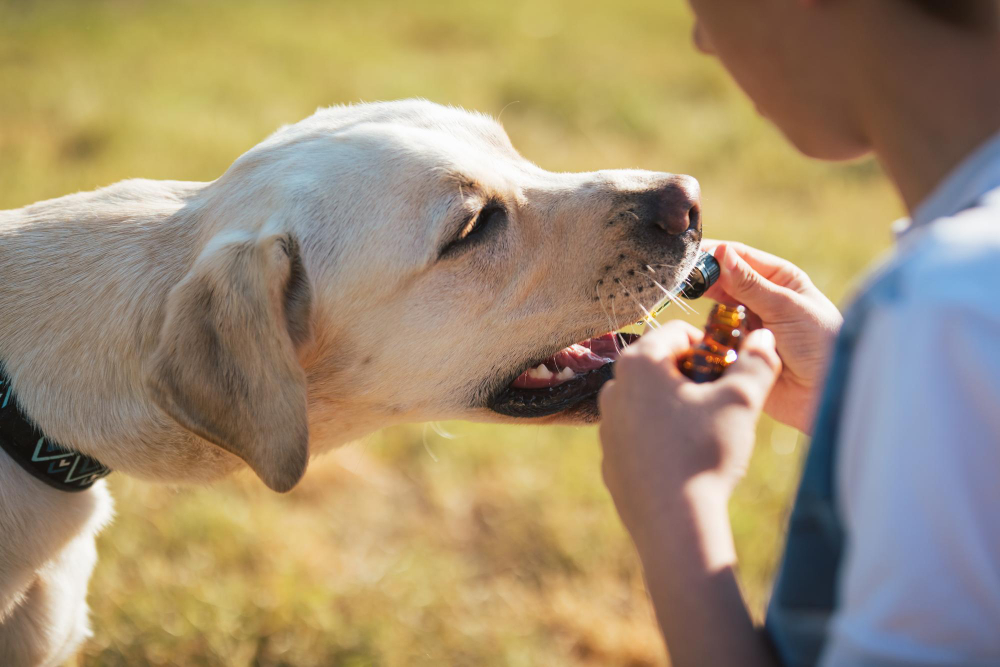
Dogs, like humans, can feel anxious or stressed. Whether it’s due to loud noises, being left alone, or meeting new people, a dog’s anxiety can manifest in many ways. While medications can help in severe cases, natural remedies often work wonders in calming your dog while avoiding side effects. This guide will walk you through 15 simple and effective ways to calm your dog naturally.
Understanding Dog Anxiety and Stress
Dogs experience stress for various reasons. Common triggers include thunderstorms, fireworks, separation, or unfamiliar environments. Recognizing the signs of anxiety is essential to help your dog feel more at ease.
Signs of Dog Anxiety:
- Excessive barking or whining
- Pacing or restlessness
- Panting even when not hot
- Hiding or avoiding interaction
- Destructive behavior
15 Natural Tips for Calming Your Dog
Environmental Adjustments
1. Create a Quiet, Safe Space
Dogs often feel secure in small, enclosed spaces. Designate a quiet corner of your home with their bed, blanket, or crate where they can retreat during stressful situations.
2. Play Calming Music or White Noise
Soothing music or white noise machines can help drown out loud sounds like fireworks and create a peaceful environment.
Natural Remedies
3. Use Lavender or Chamomile Essential Oils
Certain essential oils are known for their calming properties. Use a pet-safe diffuser to disperse these oils, but ensure your dog can leave the area if they dislike the scent.
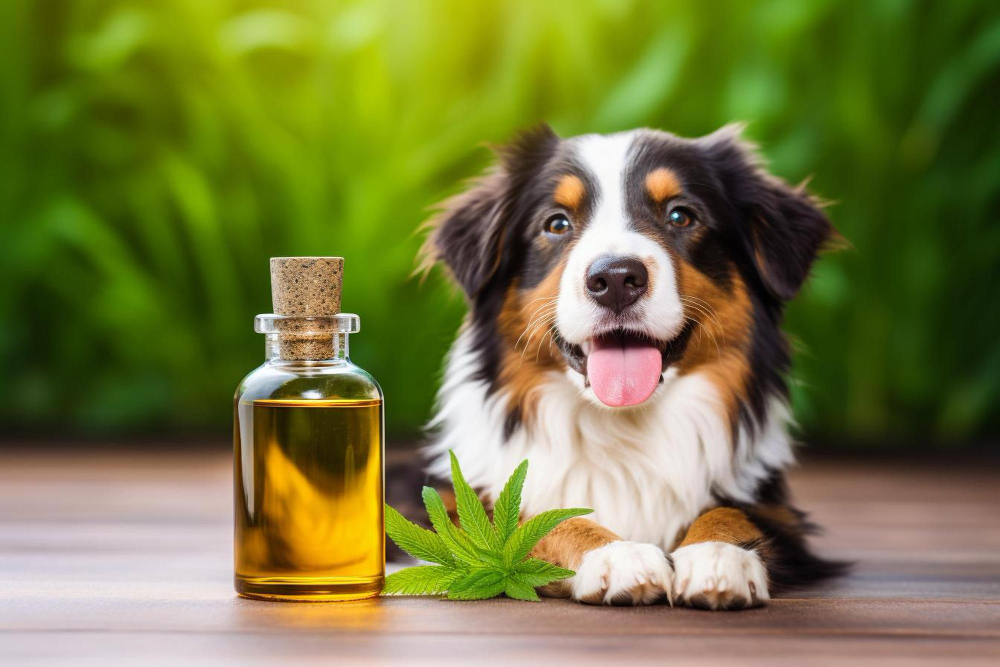
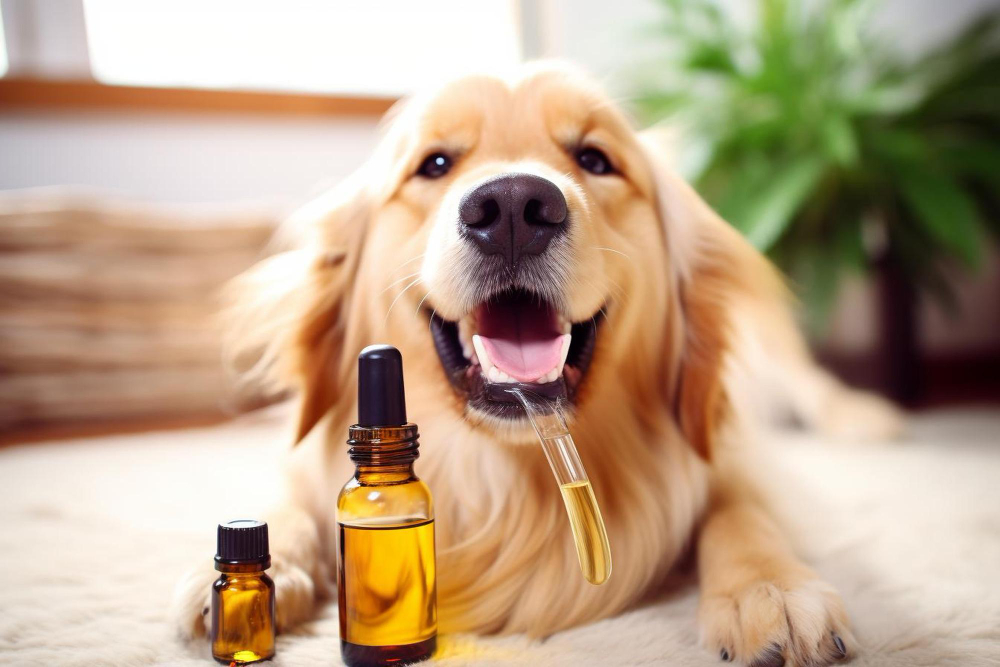
4. Try CBD Oil for Pets
CBD oil, derived from hemp, has gained popularity for reducing anxiety in dogs. Choose a product specifically made for pets and follow dosing instructions carefully.

5. Offer Herbal Calming Supplements:
Supplements containing natural ingredients like valerian root, passionflower, or L-theanine can help soothe your dog’s nerves.
Behavioral Techniques
6. Ensure Regular Exercise
Physical activity is a fantastic stress reliever. A tired dog is often a calmer dog. Daily walks, playtime, and mental stimulation can reduce anxiety.
7. Use Positive Reinforcement and Training
Reward calm behavior with treats or praise. Consistent training helps your dog build confidence and reduce anxiety triggers.
8. Try Desensitization for Specific Triggers
Gradually expose your dog to their triggers in a controlled manner while rewarding them for staying calm. This technique takes time but is effective.
Tools and Toys
9. Calming Collars or Wraps
These products apply gentle pressure to your dog’s body, similar to a comforting hug, helping to reduce anxiety.
10. Provide Interactive Toys
Toys like treat-dispensing puzzles keep your dog mentally occupied, offering a distraction from their stress.
Hands-On Methods
11. Massage Your Dog
Gently massaging your dog can help relax tense muscles and promote calmness. Focus on their shoulders, neck, and chest.
12. Make Grooming a Relaxing Activity
Regular brushing not only keeps your dog’s coat healthy but also strengthens your bond and soothes them.
Diet and Routine
13. Feed a Balanced Diet
A nutritious diet with omega-3 fatty acids can improve your dog’s overall well-being, including their ability to handle stress.
14. Maintain a Consistent Routine
Dogs thrive on predictability. Keeping their feeding, walking, and sleeping schedules consistent can reduce anxiety.
Socialization
15. Introduce New Experiences Gradually
Expose your dog to other dogs, people, or new environments in a controlled manner. Positive experiences build their confidence.
Additional Tips for Specific Situations
- During Thunderstorms or Fireworks
Use a combination of white noise, a calming collar, and CBD oil to keep your dog relaxed. Stay with them if possible to provide comfort. - For Separation Anxiety
Practice short absences and gradually increase the time you’re away. Leave behind interactive toys to keep them occupied.
When to Seek Professional Help
While natural remedies work for many dogs, severe cases of anxiety might require veterinary intervention. If your dog shows persistent distress, consult a vet for advice on medications or professional training.
Final Thoughts
Helping your dog feel calm and secure is an act of love and patience. These 15 natural tips provide a range of options to address your dog’s anxiety, whether it’s through environmental changes, behavioral techniques, or natural remedies. Try different methods to see what works best for your furry friend, and always approach the process with kindness and consistency.
Interesting Reads:
CBD For Hyper Dogs: Does It Works?
What are the Best CBD Products for Dogs to Fit Any Lifestyle?