 CBD Gummies | 25mg THC-Free | Tropical Sours
  THC-Free | The Daily CBD Tincture
Dogs sometimes chew or bite their tails, and while it may seem like a harmless habit, it can be a sign of a deeper issue. Some dogs do it occasionally, while others make it a constant behavior that leads to injury. It’s important to pay attention to this habit because excessive tail biting can lead to wounds, infections, and ongoing discomfort for your pet.
If a dog keeps biting its tail, it could be dealing with skin irritation, allergies, anxiety, or even pain from an injury. Understanding why your dog is behaving this way is the first step toward finding a solution. Ignoring it may make things worse, causing more stress for both the pet and the owner.
In this guide, we’ll explore why dogs bite their tails, what you can do to stop it, and how CBD can be a natural remedy to help reduce discomfort and anxiety. By addressing the root cause and choosing the right solutions, you can help your dog feel more comfortable and relaxed.
Overview of Dog Tail Biting Behavior
Tail biting in dogs can range from occasional licking to constant chewing that leads to wounds. Some dogs may do it out of boredom, while others develop it as a compulsive habit. If left unchecked, this behavior can lead to bald patches, broken skin, and even infections.
Dogs bite their tails for different reasons, including itching from allergies, stress, or even pain from an injury. Some may start out of curiosity, but over time, it can turn into a repetitive behavior, especially if the cause is not addressed. If you notice your dog biting its tail frequently, it’s a sign that something is bothering them.
Observing when and how often your dog does it can help you determine the cause. Do they do it more after meals? Is it worse during certain seasons? By paying attention to these patterns, you can take steps to manage and reduce the behavior.
Why Pet Owners Should Take It Seriously
Some pet owners assume tail biting is just a quirky habit, but it can actually be a sign of underlying health or behavioral issues. When a dog repeatedly chews its tail, it can break the skin, leading to infections that may require medical treatment.
If the habit is caused by anxiety, ignoring it can make the problem worse. Dogs experiencing stress need proper care and support, or they may develop other destructive behaviors. Unchecked tail chewing can also become a compulsive issue, making it harder to break the habit later.
Addressing the cause early can save your dog from unnecessary pain and prevent costly vet visits. A combination of good hygiene, proper care, and natural remedies like CBD can help manage the behavior before it becomes a serious problem.
How CBD Can Be a Natural Solution
CBD (cannabidiol) is becoming a popular natural remedy for dogs dealing with anxiety, pain, and inflammation. It interacts with the body’s endocannabinoid system, which plays a role in regulating stress, discomfort, and skin health.
For dogs that bite their tails due to anxiety, CBD can have a calming effect, making them less likely to chew out of stress. If the behavior is caused by itching or pain, CBD’s anti-inflammatory properties can help reduce irritation and discomfort.
Unlike medications that may cause drowsiness or side effects, CBD is a natural option that supports overall well-being. With the right dosage and high-quality CBD products, pet owners can help their dogs feel more at ease without relying on harsh treatments.
Common Causes of Tail Biting in Dogs
Allergies and Skin Conditions – Itching and Irritation
Dogs with allergies often develop itchy skin, which leads to excessive licking and biting. Allergic reactions can come from food, pollen, dust, or even certain fabrics in your home. If a dog’s tail is particularly itchy, they may bite it frequently to get relief.
Dry skin can also contribute to irritation. If a dog’s skin lacks moisture, it may feel tight, flaky, and itchy, leading to more chewing. Using moisturizers, omega-3 supplements, or anti-itch sprays can help improve skin health.
Regularly checking your dog’s skin for redness, flakes, or bumps can help catch allergies early. If you suspect allergies are the cause, switching to a hypoallergenic diet or using natural skin treatments can make a big difference.
Parasites (Fleas, Mites, Ticks) – External Irritants
Fleas, mites, and ticks are common parasites that make dogs extremely itchy. When these pests infest the tail area, dogs may bite and chew to relieve the irritation. Fleas, in particular, can cause allergic reactions that lead to intense scratching.
If you notice your dog constantly chewing its tail, check for small black specks (flea dirt) or tiny moving insects in the fur. Mites and ticks can also hide in the tail area, causing discomfort and inflammation.
Using vet-approved flea and tick prevention products can help keep your dog parasite-free. Regular grooming and bathing also help remove any pests before they become a bigger problem.
Boredom or Anxiety-Related Behaviors
Some dogs bite their tails out of boredom or stress. If a dog doesn’t get enough physical activity or mental stimulation, they may develop habits like excessive licking or chewing. This is more common in high-energy breeds that need regular exercise.
Anxious dogs may also chew their tails as a way to self-soothe. Stressful situations, such as being left alone for long hours or loud noises, can trigger nervous behaviors. Providing interactive toys, regular playtime, and a calm environment can help reduce stress.
For dogs with anxiety-driven tail chewing, CBD may offer relief by promoting relaxation. It helps regulate mood and can make anxious dogs feel more at ease.
Pain from Injuries or Infections
If a dog injures its tail—whether from getting it caught in a door, being stepped on, or rough play—it may chew to relieve the pain. Dogs sometimes lick or bite at wounds as a natural response to discomfort.
Infections in the tail area can also lead to excessive biting. Bacteria or yeast infections may cause swelling, redness, and irritation, making the dog constantly chew the affected area. If an infection is suspected, a vet visit is necessary to prevent it from worsening.
To help manage pain, natural solutions like CBD can be used alongside veterinary care. CBD has pain-relieving properties that can reduce discomfort without the side effects of traditional medications.
Home Remedies & Prevention
Proper Hygiene and Grooming Routines
Regular grooming helps prevent skin irritation and removes potential allergens. Bathing your dog with a gentle, moisturizing shampoo can keep their skin healthy and reduce itching.
Trimming fur around the tail area can also help prevent dirt buildup and make it easier to spot any issues like redness, bumps, or parasites.
Keeping your home clean by vacuuming regularly and washing pet bedding can also reduce allergens that contribute to skin problems.
Anti-Itch Sprays and Natural Remedies
Anti-itch sprays with ingredients like aloe vera or chamomile can help soothe irritated skin. These sprays provide quick relief and can be applied directly to the affected area.
Natural remedies like coconut oil or oatmeal baths can also help reduce itching and inflammation. These solutions are safe and gentle for dogs with sensitive skin.
If your dog’s itching is due to dryness, adding omega-3 fatty acids to their diet can help improve skin health and reduce irritation over time.
Using an Elizabethan Collar (E-collar)
An Elizabethan collar (also known as an E-collar or cone) is a great tool to prevent your dog from biting or licking their tail while it heals. This collar creates a barrier that stops them from reaching their tail, which can give the skin time to recover from any irritation or injury.
While it might seem uncomfortable at first, many dogs get used to wearing an E-collar, and it’s a temporary solution to ensure the tail can heal without further damage. You can find soft versions of the collar that are more comfortable for your dog to wear.
It’s important to ensure the collar fits properly, as a loose collar may not be effective in stopping tail biting. If your dog seems especially stressed, you can pair the collar with CBD to help them stay calm during this period.
Increasing Exercise and Mental Stimulation
A well-exercised dog is less likely to engage in destructive behaviors, including tail biting. Dogs that get plenty of physical activity are less bored and anxious, reducing the chances of tail chewing as a form of entertainment or stress relief.
Interactive toys, puzzle feeders, and training exercises can also help keep your dog mentally stimulated. Mental stimulation is just as important as physical exercise in preventing anxiety-driven behaviors.
If your dog is high-energy, make sure they get daily walks, play sessions, or time in a secure yard. A tired dog is a happy dog, and a happier dog is less likely to bite its tail.
CBD as a Natural Anti-Anxiety Solution
CBD is gaining popularity as a natural way to calm dogs with anxiety. It works by interacting with the endocannabinoid system to help regulate mood and promote relaxation. For dogs that chew their tails due to stress, CBD can provide a gentle and effective solution to help them feel more at ease.
Unlike traditional medications that may sedate your dog, CBD offers a natural way to reduce anxiety without causing drowsiness or behavioral changes. It’s a safe option for dogs that are dealing with separation anxiety, noise phobia, or general nervousness.
You can find CBD in various forms like oils, treats, and capsules, so it’s easy to find the right option for your dog. Regular use can help keep your dog calm and prevent them from resorting to tail biting as a stress response.
How CBD Can Help Stop Tail Biting
CBD as an Anti-Inflammatory
If your dog’s tail biting is related to allergies, skin conditions, or infections, CBD can act as an anti-inflammatory to reduce redness and irritation. By calming the inflammation, CBD helps prevent the urge to bite or chew the tail area.
This is especially helpful if your dog is dealing with a condition like hot spots or dermatitis, where inflammation is a key issue. CBD can help alleviate the discomfort and prevent further damage to the tail from constant chewing.
Regular use of CBD can also improve overall skin health, which may prevent future flare-ups of itching or irritation.
CBD for Anxiety Relief
For dogs that bite their tails due to anxiety, CBD can be a calming agent that helps reduce the nervous energy that leads to compulsive behaviors. Whether it’s separation anxiety, fear of loud noises, or stress from changes in routine, CBD can help your dog feel more at ease.
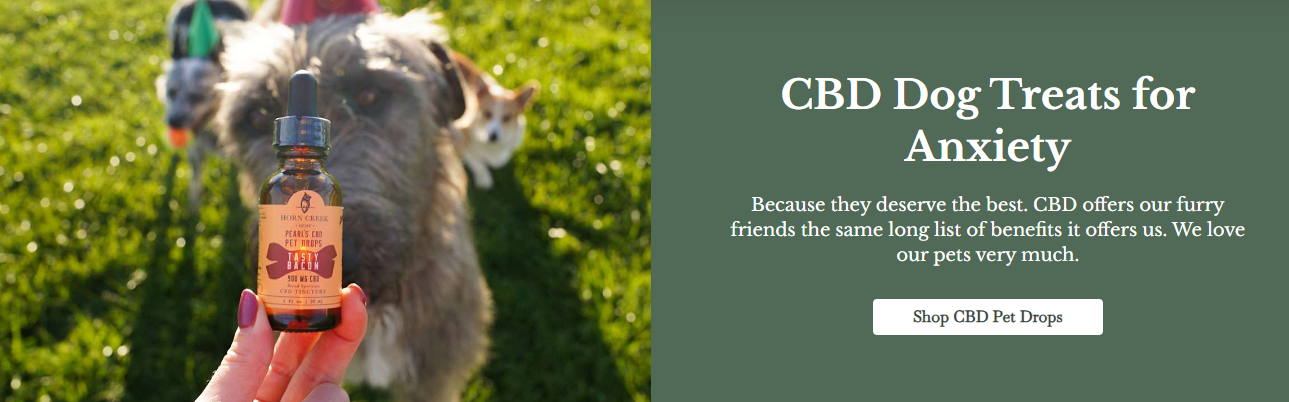
Unlike traditional medications that may cause drowsiness, CBD promotes relaxation without affecting your dog’s energy levels or mood. By addressing the root cause of the behavior, CBD allows dogs to break the cycle of anxiety and focus on other, healthier activities.
CBD as a Natural Pain Reliever
If your dog’s tail biting is due to pain from an injury or infection, CBD can help reduce discomfort. Its pain-relieving properties can help your dog feel more comfortable, allowing them to stop biting their tail as a way of coping with the pain.
CBD has been shown to be effective in reducing pain related to arthritis, infections, and other inflammatory conditions. For dogs with ongoing pain, CBD can provide a natural, gentle alternative to traditional painkillers.
If you’re not sure if pain is the cause of your dog’s behavior, it’s a good idea to consult your vet to rule out any serious medical issues. CBD can complement your vet’s treatment plan and provide your dog with additional relief.
Best CBD Products for Dogs
There are several types of CBD products that can help reduce tail biting behavior in dogs. Some of the best options include:
- CBD Pet Drops: These CBD pet drops can be added to your dog’s food or given directly to help calm anxiety and reduce inflammation.
- CBD Treats: Convenient and tasty, CBD-infused treats are an easy way to provide a daily dose of CBD for anxiety, pain, or skin issues.
- CBD Balms: These topical treatments can be applied directly to the tail area to reduce inflammation and provide localized relief from itching and irritation.
When choosing CBD products for your dog, it’s important to look for high-quality, lab-tested options to ensure purity and safety. Always follow the recommended dosage and monitor your dog’s response to make sure it’s helping.
When to Seek Veterinary Help
Persistent or Worsening Tail Chewing
If your dog’s tail biting continues despite trying home remedies or CBD, it may be time to consult a vet. Persistent chewing can lead to serious infections or injuries, and a vet can help determine the root cause and provide medical treatment if needed.
Sometimes, behavioral issues can develop or worsen over time, requiring the expertise of a professional dog trainer or behaviorist. A vet may recommend a specific treatment plan or refer you to an animal behavior expert for help.
Signs of Infection or Open Wounds
If your dog’s tail has open wounds or shows signs of infection (such as redness, swelling, or discharge), it’s important to seek veterinary attention immediately. Infections can spread quickly and may require antibiotics or other medical treatments.
In the meantime, using an Elizabethan collar and applying topical CBD balms can help prevent further injury and support healing. However, a vet will be able to prescribe the best treatment for infection or injury.
Behavioral Issues That Need Expert Training
In some cases, tail biting can be a sign of deeper behavioral problems that require expert attention. If your dog’s anxiety or compulsive behavior doesn’t improve with home remedies or CBD, a professional dog trainer or behaviorist may help.
They can assess your dog’s behavior and provide tailored strategies to address the root cause of the issue. With consistent training and support, most dogs can learn healthier ways to cope with anxiety and stress.
Best Products to Prevent Tail Biting
Top-Rated Anti-Lick Sprays
Anti-lick sprays are designed to taste unpleasant and discourage dogs from licking or biting their tails. They are safe for use on skin and can be found in most pet stores. These sprays are often used as a quick fix to prevent further damage from chewing.
CBD Treats and Oils for Calming Anxious Dogs
CBD treats and oils can be used to calm anxious dogs, helping to reduce stress-related tail biting. These products are easy to administer and can provide consistent results when used regularly.
Calming Supplements and Behavioral Training Tools
Calming supplements such as valerian root or chamomile can complement CBD products, offering additional support for dogs dealing with anxiety. Behavioral training tools like calming pheromone diffusers can also help reduce stress.
Interactive Toys to Reduce Boredom
To prevent boredom-related tail biting, provide your dog with interactive toys that challenge them mentally. Puzzle feeders, treat-dispensing toys, and other engaging activities can keep your dog’s mind occupied and prevent tail chewing due to boredom.
Final Thoughts
Tail biting can be a frustrating issue for both pets and owners, but with the right approach, it can be managed effectively. Understanding the causes of tail biting, such as allergies, anxiety, and pain, is the first step in finding a solution.
By addressing these issues with natural remedies like CBD, along with proper grooming, exercise, and behavioral training, you can help your dog lead a more comfortable and happy life. Don’t wait too long to take action—early intervention can prevent more serious problems and provide your dog with the relief they need.
CBD offers a safe and effective way to calm your dog, reduce pain and inflammation, and address anxiety-driven behaviors, making it a great natural solution for tail biting. Consider adding CBD to your dog’s care routine and watch how it helps them feel more at ease.
Interesting Reads: