 CBD Gummies | 25mg THC-Free | Tropical Sours
  THC-Free | The Daily CBD Tincture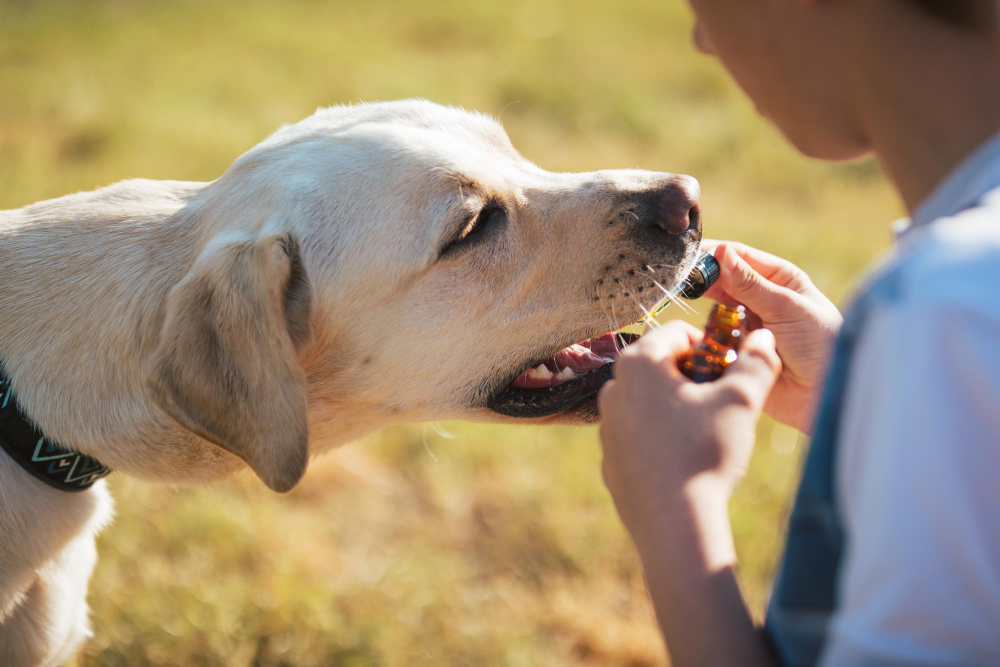
Hip dysplasia is a painful condition that affects many dogs, making it hard for them to move comfortably. It’s especially common in larger breeds and older dogs, but any dog can be affected. The condition can significantly reduce a dog’s ability to play, run, or even walk without discomfort.
CBD is gaining attention as a natural way to help dogs deal with pain and inflammation. Unlike traditional medications, CBD is derived from plants and is often seen as a gentler option. Pet owners have started exploring CBD because it’s non-intoxicating, meaning it won’t make your dog feel “high” like THC might.
Many dog owners are now looking into CBD to help with their pets’ joint health, including hip dysplasia. Here, we will cover everything you need to know, from how CBD works to tips for managing your dog’s symptoms naturally.
What Is Hip Dysplasia in Dogs?
Hip dysplasia happens when the hip joint doesn’t develop properly. Instead of fitting together smoothly, the ball and socket in the joint rub against each other, causing pain and eventually leading to arthritis. Dogs with hip dysplasia may limp, struggle to get up, or avoid physical activities they once enjoyed.
There are several causes of hip dysplasia, with genetics being one of the most common. Certain breeds, like German Shepherds, Golden Retrievers, and Bulldogs, are more prone to it. Other factors, like rapid growth during puppyhood, being overweight, or aging, can also contribute.
This condition can severely affect a dog’s quality of life, making them less playful and more sedentary. If untreated, it can lead to chronic pain and mobility issues, making everyday activities difficult for your furry friend.
How Does CBD Help Dogs with Hip Dysplasia?
CBD is known for its anti-inflammatory properties, which can help reduce swelling in your dog’s hip joints. Inflammation is one of the key factors that cause pain in hip dysplasia, so managing it can make a big difference in your dog’s comfort. CBD can also help with general pain relief, giving your dog a chance to move more freely.
CBD works by interacting with the endocannabinoid system, which is present in both humans and animals. This system plays a role in regulating pain, mood, and inflammation. When your dog consumes CBD, it helps balance this system, which may reduce pain and improve mobility.
Although research on CBD for dogs is still growing, studies and anecdotal evidence suggest that it can be a helpful tool for joint issues. Many pet owners report seeing improvements in their dogs’ energy levels and mobility after introducing CBD.
Best CBD Products for Dogs with Hip Dysplasia
CBD for dogs comes in many forms, like oils, treats, and capsules. CBD oil is often the most popular choice because it allows for precise dosing and can be mixed into food or given directly. Treats are another convenient option, especially for dogs who love snacks. Capsules can be useful if your dog is used to taking pills.

Each product type has its advantages and disadvantages. Oils may work faster, but some dogs don’t like the taste. Treats are easier to give, but they may have lower CBD concentrations. Capsules are discreet and easy to measure, but they might be harder to give to picky eaters.
When choosing a CBD product, look for things like third-party testing, natural ingredients, and clear labeling. Products made specifically for pets often have flavors like bacon or chicken to make them more appealing.
Additional Tips for Managing Hip Dysplasia in Dogs
Managing your dog’s weight is one of the most important things you can do for hip dysplasia. Extra weight puts more stress on their joints, so keeping them at a healthy weight can reduce pain. Low-impact exercises like swimming or short walks can also help keep their muscles strong without putting too much strain on their hips.
CBD can be part of a larger treatment plan for hip dysplasia. Combining CBD with other treatments, like physical therapy or joint supplements, can provide better results. Supplements with glucosamine and chondroitin are often recommended to support joint health.
Creating a comfortable environment for your dog can also make a big difference. Consider adding orthopedic dog beds, ramps to avoid stairs, or non-slip mats on slippery floors.
Are There Any Risks or Side Effects of CBD for Dogs?
CBD is generally considered safe for dogs, but some mild side effects can occur. These might include drowsiness, dry mouth, or a slight drop in blood pressure. Most of these side effects are temporary and not harmful, but it’s still important to monitor your dog when they start taking CBD.
To ensure your dog’s safety, only use CBD products made for pets and tested by third-party labs. Human CBD products may contain ingredients like xylitol or THC that can be toxic to dogs.
Success Stories: CBD for Dogs with Hip Dysplasia
Many pet owners have seen remarkable improvements in their dogs after using CBD. Dogs that once struggled to climb stairs or go for walks have regained their energy and mobility. Some owners report that their dogs are more playful and seem happier overall.
For example, a Labrador with severe hip dysplasia was able to enjoy daily walks again after starting on CBD oil. Another dog owner shared that their elderly German Shepherd seemed more comfortable lying down and getting up after using CBD treats.
These stories highlight the potential of CBD to improve a dog’s quality of life. While it’s not a cure for hip dysplasia, it can make managing the condition much easier.
Final Thoughts
Hip dysplasia can be a challenging condition, but CBD offers a natural way to help dogs manage pain and inflammation. Combined with lifestyle changes and other treatments, CBD can make a real difference in your dog’s comfort and mobility.
Before starting CBD, always consult your veterinarian to ensure it’s the right choice for your dog. They can provide guidance on dosing and help you find a high-quality product.
With the right care and support, you can help your dog enjoy a better quality of life, even with hip dysplasia.
Disclaimer
This blog is for informational purposes only and is not a substitute for professional veterinary advice, diagnosis, or treatment. Always consult with a licensed veterinarian before starting your dog on CBD or any new treatment, especially if they have existing health conditions or are taking other medications. The effects of CBD can vary from one dog to another, and while we aim to provide accurate information, we cannot guarantee specific results. Use CBD products responsibly and ensure they are specifically formulated for pets and tested for safety.
Interesting Reads:
Can CBD Help Dogs Stop Scratching?