 CBD Gummies | 25mg THC-Free | Tropical Sours
 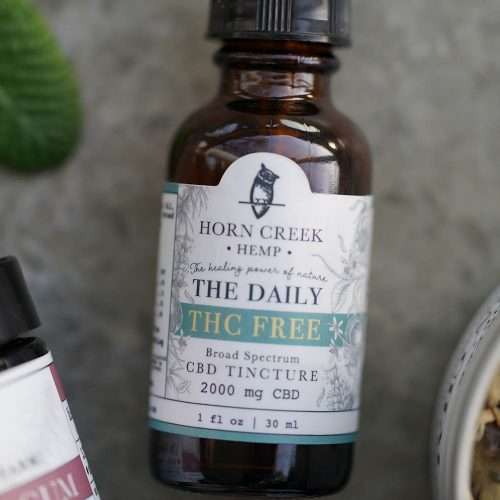 THC-Free | The Daily CBD Tincture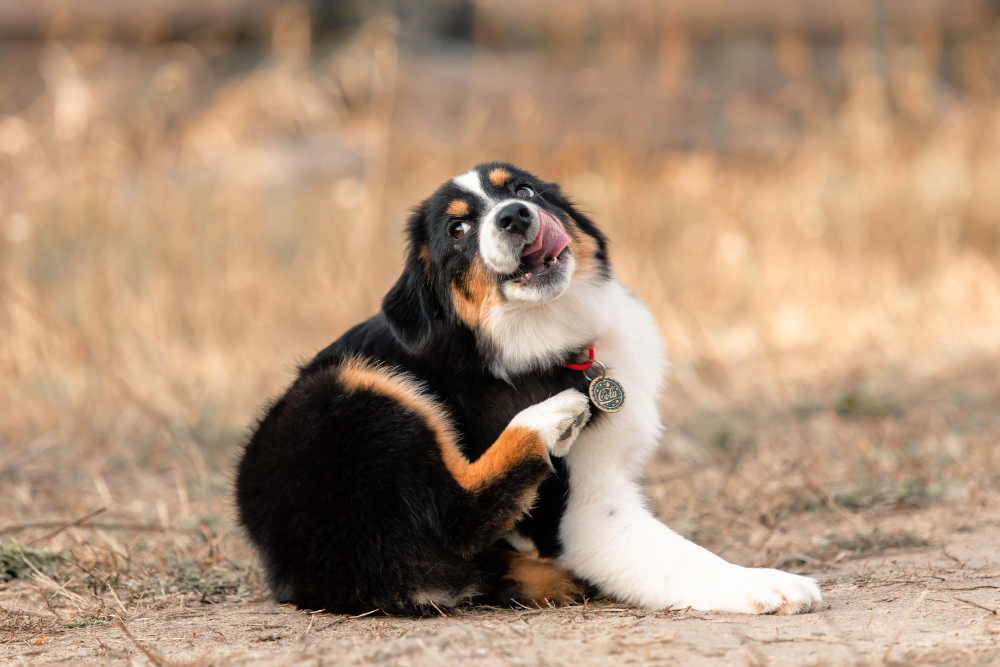
Itching in dogs can be frustrating, not just for the pet but also for the owner. Common causes of dog itching include allergies, dry skin, fleas, or exposure to irritants in the environment. It often leads to excessive scratching, licking, and discomfort, which can affect your dog’s quality of life.
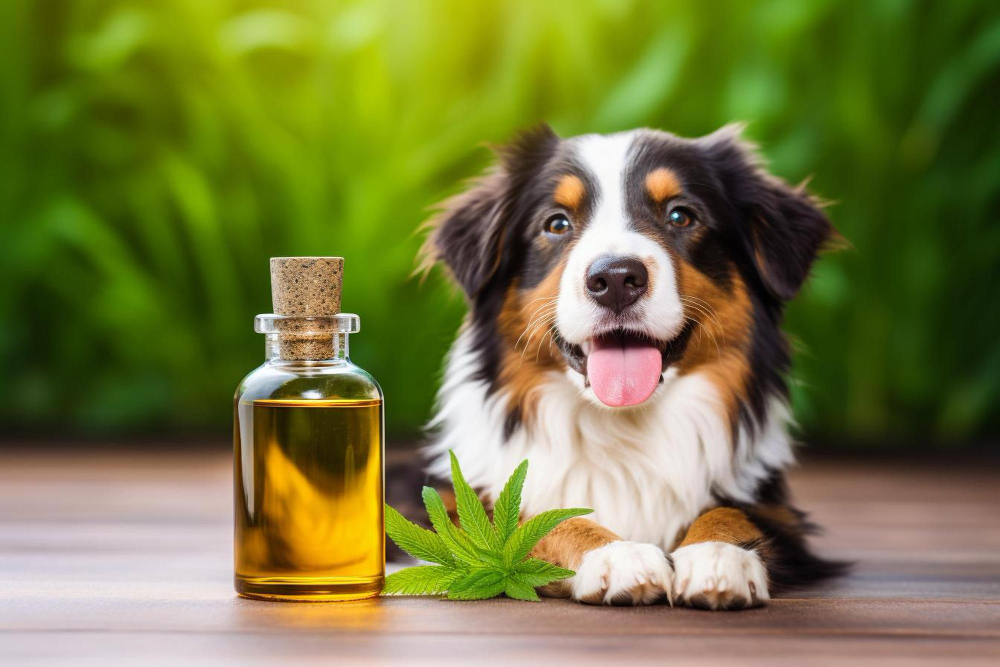
CBD, a compound derived from hemp plants, is becoming a popular natural remedy for pets. Many dog owners are turning to CBD to help manage skin conditions and reduce itching without relying on harsh medications. Its growing use is backed by its soothing properties and potential to improve overall skin health.
Determining the right CBD dosage for your dog is essential for effective and safe results. Giving too little may not provide relief, while too much could lead to unwanted side effects. This guide will help you understand how to use CBD to help your dog with itching in a safe and informed way.
What Causes Itching in Dogs?
Dogs can itch for various reasons, and pinpointing the cause is key to effective treatment. Allergies are one of the most common reasons, whether they’re triggered by food, pollen, or chemicals in cleaning products. Fleas or other parasites can also cause relentless itching, along with dry skin that’s common in certain breeds or climates.
Itching often links to underlying issues such as inflammation or anxiety. For example, some dogs develop skin irritation due to overactive immune responses. In other cases, stress or anxiety can cause compulsive licking and scratching, worsening the problem.
Environmental factors like dust, grass, or household cleaners can also contribute. Identifying the root cause of your dog’s itching is the first step toward finding relief and deciding if CBD is the right solution.
How CBD Helps Dogs with Itching
CBD is known for its anti-inflammatory properties, which can reduce redness and swelling in irritated skin. It can also soothe discomfort and promote healing, making it an appealing option for dogs dealing with persistent itching.
CBD works by interacting with a dog’s endocannabinoid system (ECS), which helps regulate processes like immune response, skin health, and stress levels. By balancing the ECS, CBD may relieve itching caused by inflammation or anxiety.
While formal studies on CBD for dog itching are still limited, anecdotal evidence from pet owners suggests it’s effective in reducing symptoms. Some owners report their dogs scratch less, feel calmer, and develop healthier skin after using CBD.
Factors to Consider Before Giving CBD to Your Dog
Before starting CBD, consider your dog’s size, weight, and age. Smaller dogs usually need lower doses compared to larger breeds. Puppies and senior dogs may have different sensitivities to CBD, so start cautiously.
The severity of your dog’s itching also matters. Mild cases may respond to lower doses, while more severe itching might require a higher dose or more frequent use.
It’s essential to check for any existing health conditions or medications your dog is taking. CBD can interact with certain drugs, so consult your veterinarian before adding it to your dog’s routine.
How Much CBD Should You Give Your Dog for Itching?
A common guideline for CBD dosage is 0.2-0.5mg per pound of body weight. For example, a 20-pound dog might start with 4mg of CBD. However, every dog reacts differently, so begin with the lowest dose and gradually increase as needed.
Starting small allows you to monitor your dog for any adverse reactions. If your dog seems to tolerate the CBD well and their itching improves, you can adjust the dose slightly for optimal results.
Using a CBD dosage calculator can help you find a more precise amount based on your dog’s weight and condition. Always consult a veterinarian for expert guidance, especially if you’re unsure about dosing.
How to Administer CBD to Your Dog
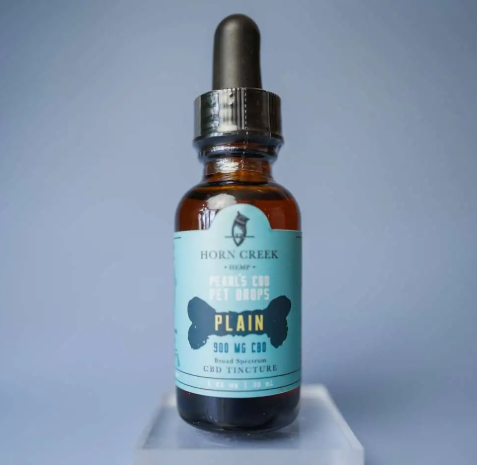
CBD comes in different forms for pets, including oils, treats, and capsules. CBD oil is the most versatile option as it allows you to adjust the dose easily. Treats and capsules can be more convenient but may come with fixed dosages.
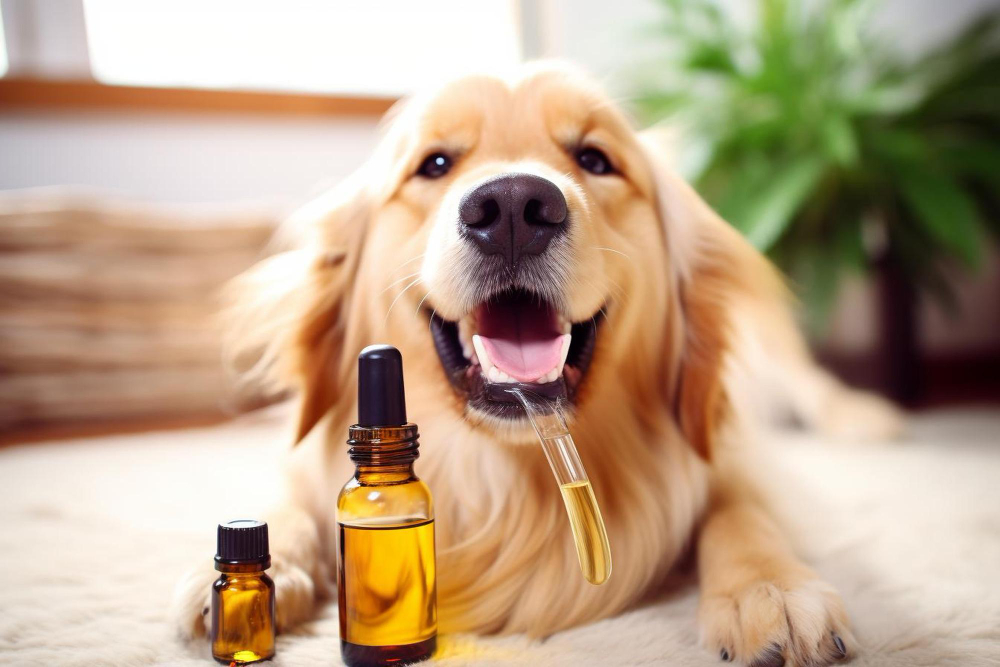
To give CBD oil, use a dropper to place the correct amount directly into your dog’s mouth or mix it into their food. If your dog resists, try using a flavored CBD product to make it more appealing.
Ensure a stress-free experience by rewarding your dog with a treat or praise after giving them CBD. Keeping the process positive helps your dog associate CBD with something good.
Signs That CBD Is Working
Once your dog starts taking CBD, you may notice signs that it’s helping. Reduced scratching or licking is often the first indicator. Your dog may seem more comfortable and less irritated throughout the day.
CBD’s calming effects can also reduce anxiety, leading to calmer behavior in dogs who scratch out of stress. Over time, you may see improvements in your dog’s skin and coat, such as reduced redness and a shinier appearance.
Monitor your dog’s progress closely, and keep track of changes in their behavior and skin health to assess whether CBD is effective.
Precautions and Potential Side Effects
While CBD is generally safe, some dogs may experience mild side effects like drowsiness, upset stomach, or changes in appetite. These effects are usually temporary and can often be avoided by starting with a low dose.
Always choose THC-free CBD products specifically formulated for pets. THC can be toxic to dogs, so ensure the product is tested for purity and safety by a third-party lab.
Consult a vet before starting CBD, especially if your dog has health conditions or is on other medications. A professional can guide you on how to use CBD safely.
Choosing the Right CBD Product for Itchy Dogs
Not all CBD products are created equal. Look for third-party lab-tested products to ensure quality and safety. These tests verify that the CBD contains no harmful additives or contaminants.
Organic CBD products are a great choice, as they’re free from pesticides and other harmful chemicals. Full-spectrum or broad-spectrum CBD products can provide additional benefits through the “entourage effect” of other hemp compounds.
Consider products with flavors like chicken or beef to make them more appealing to your dog, especially if they’re picky eaters.
Other Natural Remedies for Dog Itching
In addition to CBD, other natural remedies may help relieve your dog’s itching. Adding omega-3 fatty acids to their diet can improve skin health and reduce inflammation.
Topical treatments like oatmeal baths or aloe vera can soothe irritated skin. These options work well for temporary relief and are safe for most dogs.
If your dog’s itching is due to allergens, try making changes to their environment. Keeping your home clean, washing your dog’s bedding regularly, and using hypoallergenic products can all help.
When to Consult a Veterinarian
If your dog’s itching persists despite using CBD or other remedies, it’s time to consult a veterinarian. Persistent scratching could indicate a more serious underlying condition that requires medical attention.
Watch for signs of worsening skin issues, such as open wounds, excessive redness, or swelling. These symptoms may need targeted treatment beyond what CBD can offer.
A vet can also advise you on the long-term use of CBD for your dog, ensuring it’s safe and effective as part of their care routine.
Final Thoughts
CBD offers a natural, gentle way to help manage your dog’s itching and improve their comfort. By reducing inflammation and calming anxiety, CBD can address many of the causes of itching in dogs.
Correct dosing is essential for achieving the best results, so always start small and monitor your dog’s response. Consulting a vet ensures your pet gets the care they need while using CBD safely.
With proper guidance and the right product, CBD can be a valuable tool for improving your dog’s quality of life and keeping their skin healthy. Always prioritize your dog’s health and comfort when exploring new remedies.
Disclaimer
This article is for informational purposes only and is not a substitute for professional veterinary advice. Always consult your veterinarian before giving your dog CBD or any new supplement, as individual needs and health conditions vary. CBD products are not intended to diagnose, treat, cure, or prevent any disease, and results may differ from one pet to another. Ensure you choose THC-free, pet-specific CBD products tested for safety and quality. The author is not responsible for any outcomes resulting from the use of CBD without proper veterinary guidance.
Interesting Reads: