 CBD Gummies | 25mg THC-Free | Tropical Sours
 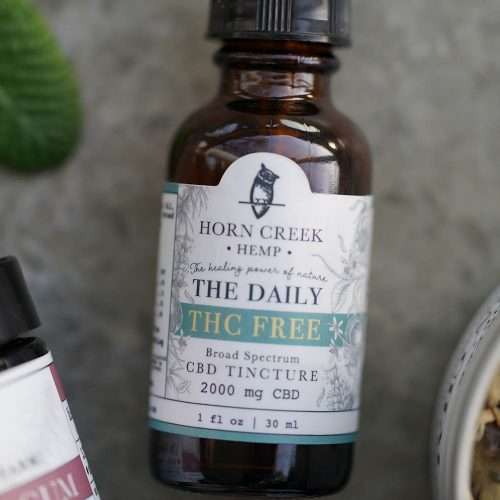 THC-Free | The Daily CBD Tincture
CBD tinctures have become a popular way for people to experience the benefits of cannabidiol (CBD). These tinctures are liquid extracts of CBD that come in small bottles with droppers, making them easy to use. Many people turn to CBD tinctures for their potential wellness benefits, including stress relief, pain management, and better sleep. Unlike other forms of CBD, tinctures are fast-acting when taken the right way.
As more people explore natural remedies, CBD tinctures have gained attention for their convenience and effectiveness. The rise of CBD in the health and wellness industry has led to more research and better products. With so many options available, it’s important to understand what CBD tinctures are, how they work, and how to choose the right one for your needs.
If you’re new to CBD tinctures, you might have questions about how to use them and what to expect. This guide will break down everything you need to know in simple terms, so you can make an informed decision about whether CBD tinctures are right for you.
What Are CBD Tinctures?
CBD tinctures are liquid extracts made by soaking hemp plant material in alcohol or another solvent to pull out beneficial compounds like CBD. This process preserves the CBD and creates a concentrated solution that can be easily consumed. Some tinctures are made using glycerin or oil instead of alcohol, but traditional tinctures rely on alcohol for extraction.
The main ingredients in CBD tinctures include CBD extract, a carrier liquid (such as alcohol, MCT oil, or glycerin), and sometimes added flavors or essential oils. Some products may also contain other cannabinoids or terpenes, which contribute to the effects and flavor of the tincture. The type of CBD used can vary, with options like full-spectrum, broad-spectrum, or CBD isolate.
Because of their liquid form, CBD tinctures are one of the easiest ways to take CBD. They allow for precise dosing and can be taken directly under the tongue or added to food and drinks. Their versatility and effectiveness make them a preferred choice for many CBD users.
How Do CBD Tinctures Work?
CBD tinctures interact with the body’s endocannabinoid system (ECS), which helps regulate functions like mood, pain, sleep, and stress. The ECS is made up of receptors that respond to cannabinoids like CBD, helping to promote balance in the body. By supporting this system, CBD may help with relaxation, discomfort, and overall well-being.
One reason tinctures work well is their high bioavailability, which refers to how much of a substance the body absorbs. When taken under the tongue (sublingually), CBD enters the bloodstream quickly, leading to faster effects compared to swallowing a capsule or edible. The thin tissues under the tongue absorb CBD efficiently, making tinctures a preferred choice for fast relief.
If mixed with food or drinks, tinctures take longer to work because they have to go through digestion first. While this method is still effective, it delays absorption and may slightly reduce the amount of CBD that reaches the bloodstream. That’s why many people prefer the sublingual method for quicker results.
Benefits of CBD Tinctures
Relief from Anxiety and Stress
CBD is commonly used to promote relaxation and ease stress. Many people take CBD tinctures to help manage daily worries, social anxiety, or general tension. By interacting with the ECS, CBD may help calm the nervous system and support emotional balance. Some users report feeling a sense of relaxation without feeling overly sedated.
Pain and Inflammation Management
CBD has been studied for its potential role in reducing pain and inflammation. Whether it’s muscle soreness, joint discomfort, or chronic pain conditions, CBD tinctures may offer relief by influencing pain receptors in the body. Some people use CBD alongside other treatments for conditions like arthritis, migraines, or post-workout recovery.
Better Sleep Quality
Poor sleep can negatively impact health, and many turn to CBD tinctures to improve their sleep patterns. CBD may help by promoting relaxation and reducing factors that interfere with rest, such as stress or discomfort. Taking CBD before bedtime might support better sleep without the grogginess that comes with traditional sleep aids.
Potential Neuroprotective Effects
CBD is being studied for its effects on brain health and neuroprotection. Some research suggests that CBD may help support cognitive function and protect nerve cells from damage. While more studies are needed, CBD has shown promise in conditions related to brain health, such as epilepsy and neurodegenerative diseases.
How to Use CBD Tinctures
Sublingual Method vs. Mixing with Food and Drinks
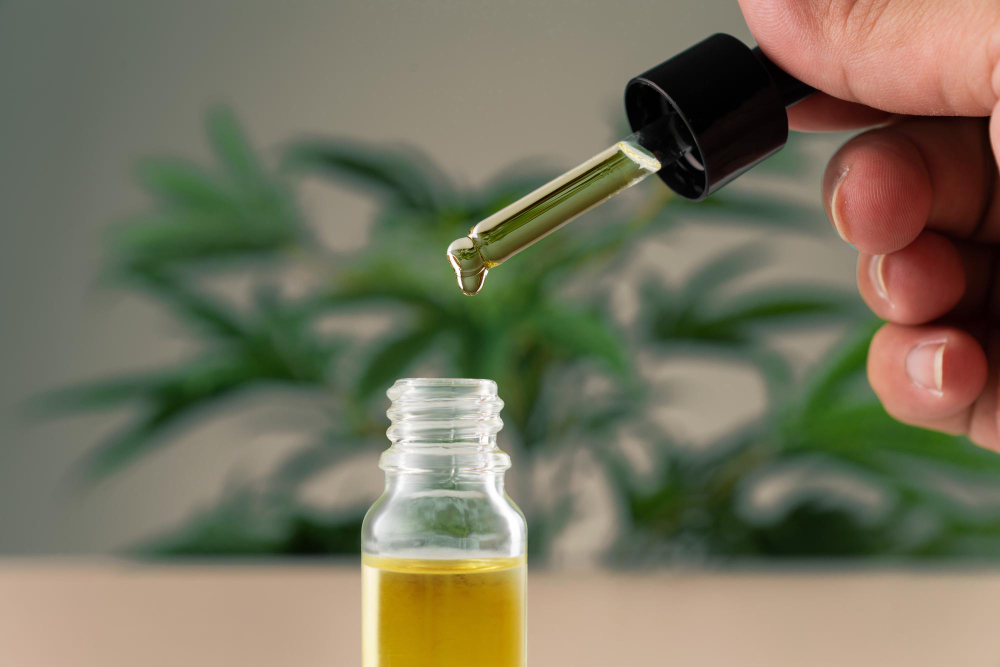
The most effective way to take a CBD tincture is by placing a few drops under your tongue and holding it there for about 60 seconds before swallowing. This allows CBD to enter the bloodstream quickly. Alternatively, tinctures can be added to coffee, tea, or smoothies, but this method slows absorption since it goes through digestion first.
Finding the Right Dosage
CBD dosage varies based on factors like body weight, tolerance, and the reason for use. It’s best to start with a low dose and gradually increase until the desired effects are achieved. Most tincture bottles come with a dropper for precise measurement, and following the product’s instructions can help determine the right amount.
CBD Tinctures vs. CBD Oil: Key Differences
Extraction Methods and Composition
While CBD tinctures and CBD oil are often used interchangeably, they are not exactly the same. Tinctures are typically made using an alcohol-based extraction, while CBD oil is made by infusing CBD extract into a carrier oil like MCT or hemp seed oil.
Usage and Effectiveness Comparison
CBD tinctures often have a longer shelf life due to their alcohol content, while CBD oil may be preferred by those who want to avoid alcohol-based products. Both options are effective, but tinctures tend to absorb more quickly when taken sublingually.
Choosing the Right CBD Tincture
Full-Spectrum vs. Broad-Spectrum vs. Isolate
Full-spectrum tinctures contain all the natural compounds from the hemp plant, including small amounts of THC. Broad-spectrum tinctures contain multiple cannabinoids but no THC, making them a good option for those who want to avoid THC. CBD isolate tinctures contain only pure CBD and no other compounds.
How to Read Labels and Third-Party Lab Reports
When choosing a tincture, it’s important to read the label for potency, ingredients, and additional additives. Third-party lab reports confirm that the product is free from harmful contaminants and contains the advertised amount of CBD. Always look for products that have been independently tested.
Are There Any Side Effects?
Common Side Effects and How to Mitigate Them
CBD is generally well tolerated, but some people may experience mild side effects such as dry mouth, drowsiness, or digestive issues. Staying hydrated and starting with a low dose can help minimize these effects.
Who Should Avoid CBD Tinctures?
While CBD is safe for most people, those who are pregnant, breastfeeding, or taking certain medications should consult a doctor before using it. People with liver conditions or allergies to ingredients in the tincture should also be cautious.
FAQs About CBD Tinctures
How Long Does It Take for CBD Tinctures to Work?
When taken under the tongue, CBD tinctures can start working within 15–45 minutes. If mixed with food, it may take an hour or more to feel the effects.
Can CBD Tinctures Make You High?
No, CBD tinctures will not make you high if they contain little to no THC. Full-spectrum tinctures may have trace amounts of THC, but not enough to cause intoxication.
How Often Should I Take a CBD Tincture?
This depends on individual needs. Some people take CBD once a day, while others use it multiple times. It’s best to start with a small amount and adjust based on personal response.
Final Thoughts
CBD tinctures offer a convenient and effective way to experience the benefits of CBD. They work quickly when taken under the tongue and can help with anxiety, pain, sleep, and overall wellness. Choosing the right tincture and dosage is key to getting the best results.
If you’re considering CBD tinctures, it’s always a good idea to talk to a healthcare professional, especially if you have any medical conditions or take medications. With the right approach, CBD tinctures can be a valuable addition to a wellness routine.
Interesting Reads:
What is the purpose of CBD tincture?