 CBD Gummies | 25mg THC-Free | Tropical Sours
  THC-Free | The Daily CBD Tincture
  DIY CBD Hemp Tincture Kit
Veterinarians face strict legal rules when it comes to recommending CBD for pets. While many agree that CBD can be a safe and helpful option for dogs and cats, it’s still fairly new, and research is ongoing to understand its full benefits and side effects.
The topic of veterinarians and CBD for pets is a little tricky. Just like other doctors, your vet has to follow certain laws about what they can and cannot say, no matter their personal views. These legal limits can make it hard to get clear answers from your vet about CBD. If your vet seems hesitant to talk about how CBD might help your pet, here’s what you need to know to better understand the situation.
Why Your Veterinarian Might Not Want to Discuss CBD for Pets
Veterinarians may be hesitant to talk about CBD for pets due to strict rules and regulations. Even though CBD is becoming more popular as a health supplement, vets must follow specific laws about what they can and cannot say. These restrictions are in place to protect both the vet and the pet. So, if your vet seems unsure or avoids discussing CBD, it’s likely because of these legal boundaries.
Another reason is that CBD for pets is still relatively new. While some research shows it can be helpful, there’s still much to learn about its effects. Vets prefer to be cautious when recommending something that’s not fully understood yet. Until more studies are completed, many vets feel it’s safer not to recommend CBD to avoid any risks for your pet.
Vets also have professional standards they must follow, similar to doctors for humans. These standards are set by veterinary boards and government regulations. These guidelines are strict, which limits how much vets can share about CBD, even if they think it could be helpful. As a result, your vet might not want to talk about it openly.
Lastly, discussing CBD could have legal consequences for your vet. If they recommend something that isn’t fully approved or regulated, they could face penalties. This risk makes many vets careful about what they say regarding CBD for pets, even if it seems like a safe option.
The 2018 Farm Bill Doesn’t Include Rules for Veterinarians and Pet CBD
The 2018 Farm Bill made hemp-derived CBD legal in the United States, but it didn’t include any rules about using CBD for pets. While this bill helped make CBD more widely available, it left a gap when it comes to pet use. Without clear federal guidelines, vets are left unsure about how to approach the topic of CBD for animals.
Since the Farm Bill didn’t mention pet CBD, vets don’t have federal approval to recommend it. This means they have to be extra careful when talking about CBD with pet owners. If there were clear rules about pet CBD in the bill, it would give vets more confidence to discuss it openly and safely.
Because of this lack of guidance, vets are hesitant to discuss CBD until more concrete laws or regulations are in place. They don’t want to risk getting into trouble for recommending a product that isn’t fully regulated. This makes it difficult for pet owners to get advice from their vet about CBD.
Overall, the Farm Bill has made CBD more accessible for people, but it left veterinarians in a tough spot. Until there’s more clarity from the government, many vets will avoid the topic altogether to avoid any legal issues.
Different States Have Their Own Rules About What Veterinarians Can Say
Different states have different laws when it comes to vets talking about CBD. In some states, veterinarians are allowed to discuss CBD with pet owners, but in others, they are restricted or even forbidden. This variation makes it hard for vets to have a consistent approach to CBD across the country.
In states where vets are restricted, they may not be able to recommend CBD or even discuss its benefits and risks. These state laws can vary greatly, making it confusing for both vets and pet owners. Your vet might not want to discuss CBD simply because they aren’t legally allowed to in your state.
In states with more flexible laws, vets may be more willing to talk about CBD for pets. Even in these states, they must be cautious because the regulations could change, or there might still be legal gray areas. This uncertainty adds another layer of hesitation for vets.
State-specific rules create a complicated environment for veterinarians. Depending on where you live, your vet’s ability to discuss CBD may be limited, and they have to be mindful of these regulations when talking to pet owners.
Some Veterinarians Are Waiting for More Research Before Recommending CBD
Many veterinarians prefer to wait for more research before recommending CBD for pets. While some studies suggest CBD might help with pain, anxiety, and other issues, the current research isn’t enough to give vets complete confidence. They want to see more clinical trials that prove CBD is safe and effective for animals.
Vets take their role in your pet’s health seriously, so they rely on well-documented studies to guide their recommendations. Without enough scientific evidence, many veterinarians are hesitant to suggest CBD. They want to ensure that any product they recommend has been thoroughly tested for safety.
More clinical research would give vets a clearer understanding of how CBD affects pets, including proper dosages and potential side effects. Until then, they may feel it’s safer to avoid the topic altogether. This caution helps protect your pet from any unknown risks.
In the future, as more studies are completed, vets may feel more comfortable discussing and recommending CBD. For now, though, many are waiting for solid evidence before they make it part of their treatment plans.
Veterinarians Can Face Serious Problems if They Break the Rules
If veterinarians break the rules by discussing or recommending CBD when they aren’t allowed to, they could face serious consequences. This can include losing their license, facing legal action, or being fined. Because of these risks, many vets are very careful about what they say regarding CBD.
Veterinarians have to follow strict guidelines set by both the government and veterinary boards. If they go against these rules, it could damage their reputation and career. For this reason, vets are often hesitant to talk about CBD, even if they believe it could help your pet.
Breaking the rules can also result in legal problems for veterinarians. They could be sued or face penalties from state or federal authorities. These risks make vets very cautious, as they don’t want to jeopardize their ability to practice.
Ultimately, the consequences of breaking the rules are too high for many vets. This is why they may choose to avoid discussing CBD altogether, even if they think it might be beneficial for your pet. They are simply trying to protect themselves and their practice.
It’s Still Important to Discuss CBD with Your Veterinarian
Even though your veterinarian may have limits on what they can say, it’s still important to bring up CBD when talking about your pet’s health. Your vet can provide helpful guidance on whether CBD might be a good option for your pet based on their health needs, even if they can’t officially recommend it. This conversation can help you make informed decisions.
Your vet may also offer advice on the best ways to safely introduce CBD if you choose to try it. They can suggest monitoring your pet for any side effects or changes in behavior. This ensures that your pet’s health stays a priority, even if you’re using CBD.
By talking to your vet, you can also stay informed about any new research or changes in regulations that might impact CBD for pets. This way, you’re always up to date and can adjust your approach as needed. Keeping your vet in the loop is essential for your pet’s well-being.
Talk to Your Veterinarian About CBD for Pets
When bringing up CBD with your vet, explain why you’re interested in it and how you think it might help your pet. Your vet can give you their thoughts based on your pet’s condition and other treatments they might already be on. This will help you decide if trying CBD is worth it.
Your vet can also warn you about any potential risks or interactions between CBD and other medications your pet may be taking. This helps ensure that you’re not accidentally causing harm by mixing treatments. The more your vet knows, the better they can support your choices.
While your vet may not be able to give a full recommendation, they can still provide general advice on using CBD safely. They might suggest starting with a low dose or keeping an eye on your pet’s reaction. Always having open communication with your vet helps keep your pet safe and healthy.
CBD for Pets Should Be Ongoing Conversation with Your Veterinarian
Using CBD for your pet isn’t a one-time decision—it should be an ongoing conversation with your vet. As your pet’s health changes, the need for or effects of CBD might also change. Regular check-ins with your vet can help you adjust the dosage or stop using it if necessary.
Since more research is coming out about CBD, new information could affect how you use it for your pet. Keeping the conversation going with your vet ensures you’re staying updated on the latest findings. This helps you provide the best care for your pet.
Monitoring your pet’s health together with your vet will ensure that CBD, if used, remains a safe part of your pet’s wellness plan. Regular communication means any side effects or benefits can be properly managed, helping your pet get the best possible results.
What to Look for in CBD Products for Pets?
When choosing CBD products for your pet, it’s important to find high-quality options. Look for products that are specifically made for pets, with clear labeling and third-party testing to ensure they are safe and effective. This helps you know exactly what you’re giving your pet.
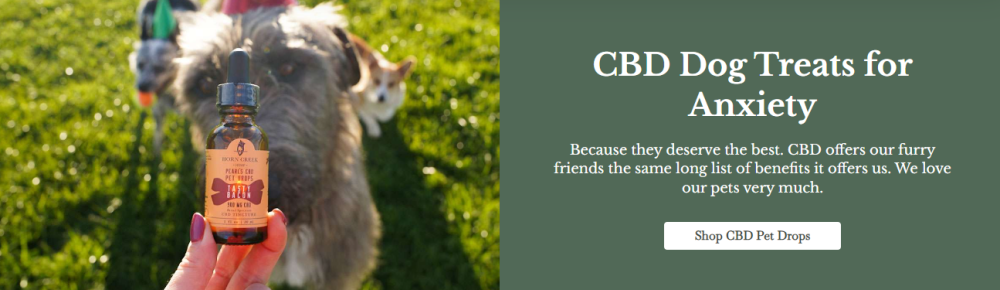
You should also consider your pet’s size and needs. Different products have different strengths, so make sure the CBD dosage is appropriate for your pet. Always start with a lower dose and gradually adjust as needed, keeping an eye on how your pet responds.
Full-Spectrum vs. Broad-Spectrum CBD
Full-spectrum CBD contains all the natural compounds from the hemp plant, including a small amount of THC, which may enhance the overall effect. Some pet owners prefer broad-spectrum CBD, which has all the beneficial compounds except THC, to avoid any risk of THC affecting their pet.
Choosing between full-spectrum and broad-spectrum CBD for dogs depends on your comfort level and your pet’s needs. If you’re concerned about THC, broad-spectrum might be a better option, but both types can be effective for supporting your pet’s health.
Reading Labels: Avoiding Harmful Additives and Contaminants
Always check the label of any CBD product to ensure there are no harmful additives or chemicals. Look for natural ingredients and avoid products with artificial flavors, preservatives, or chemicals that could harm your pet.
Also, look for products that have been tested for contaminants like pesticides, heavy metals, and mold. These third-party lab tests will be listed on the packaging or the company’s website, ensuring the CBD product is safe for your pet to use.
How to Choose the Right CBD Form (Oil, Treats, Capsules)
CBD for pets comes in different forms, such as oils, treats, and capsules. Oils are usually the easiest to adjust in terms of dosage, as you can give your pet the exact amount they need. Treats and capsules are more convenient, but may have a fixed dose that’s harder to change.
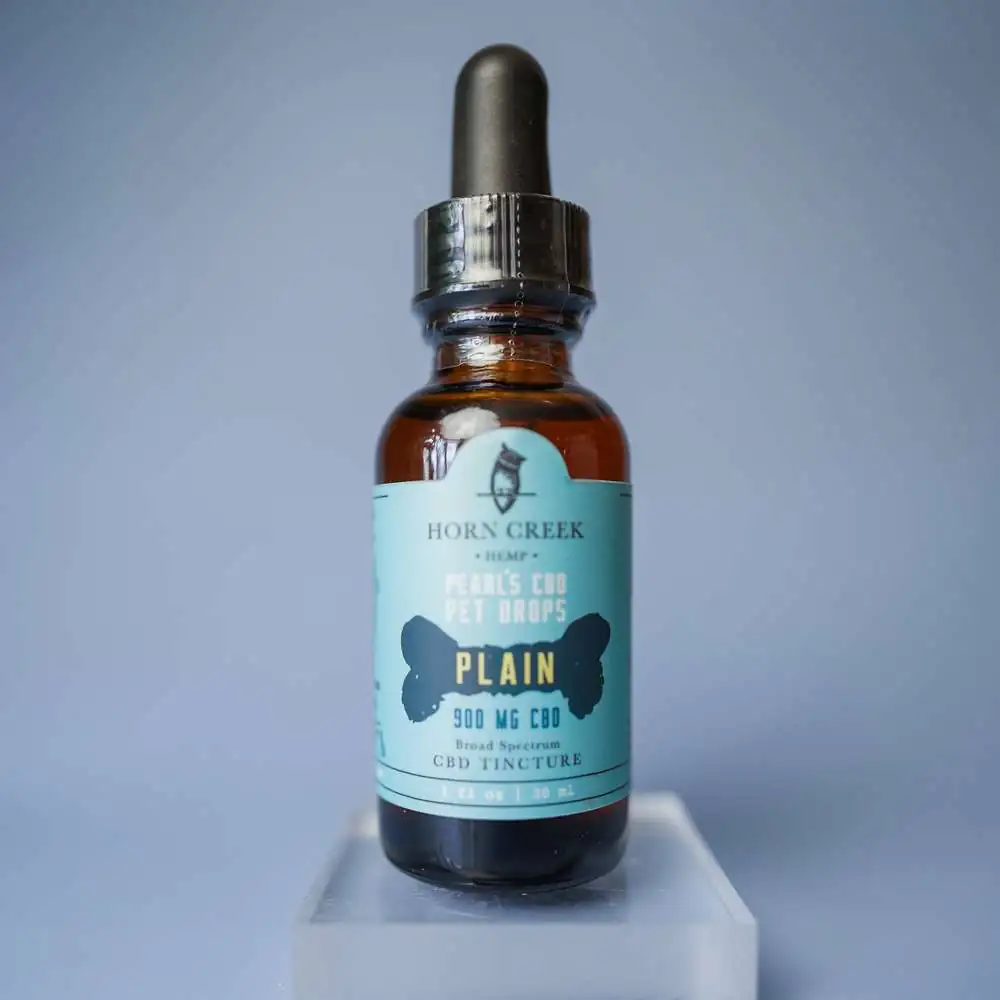
When choosing the form, think about what would be easiest for your pet to take. Some pets might love CBD treats, while others may do better with oil added to their food. It’s all about finding the option that works best for you and your pet.
Final Thoughts
Veterinarians often have mixed feelings about recommending CBD for pets. Due to strict regulations and limited research, they might be cautious about giving a full endorsement. However, they can still provide valuable information about how CBD might fit into your pet’s overall health plan.
It’s important to have an open conversation with your vet about CBD and to follow their advice. They can help guide you on safe usage and monitor your pet’s response if you decide to try CBD. Always make sure to use high-quality products and keep your vet informed about any new treatments you introduce.
Interesting Reads: