
 CBD Gummies | 25mg THC-Free | Tropical Sours
 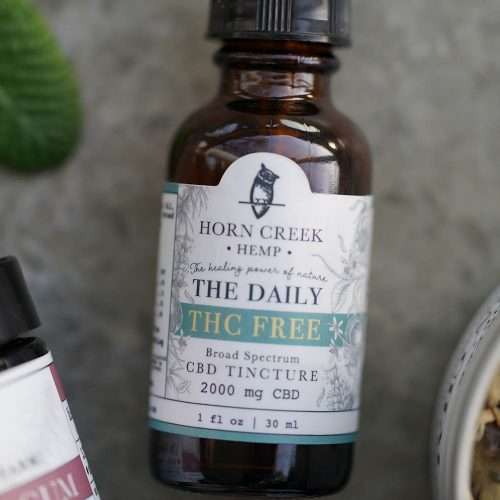 THC-Free | The Daily CBD Tincture
 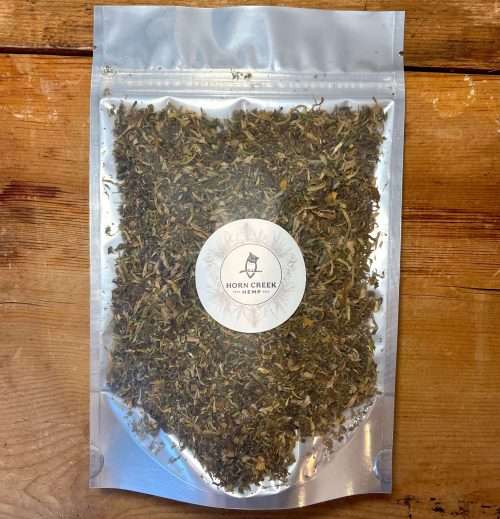 DIY CBD Hemp Tincture Kit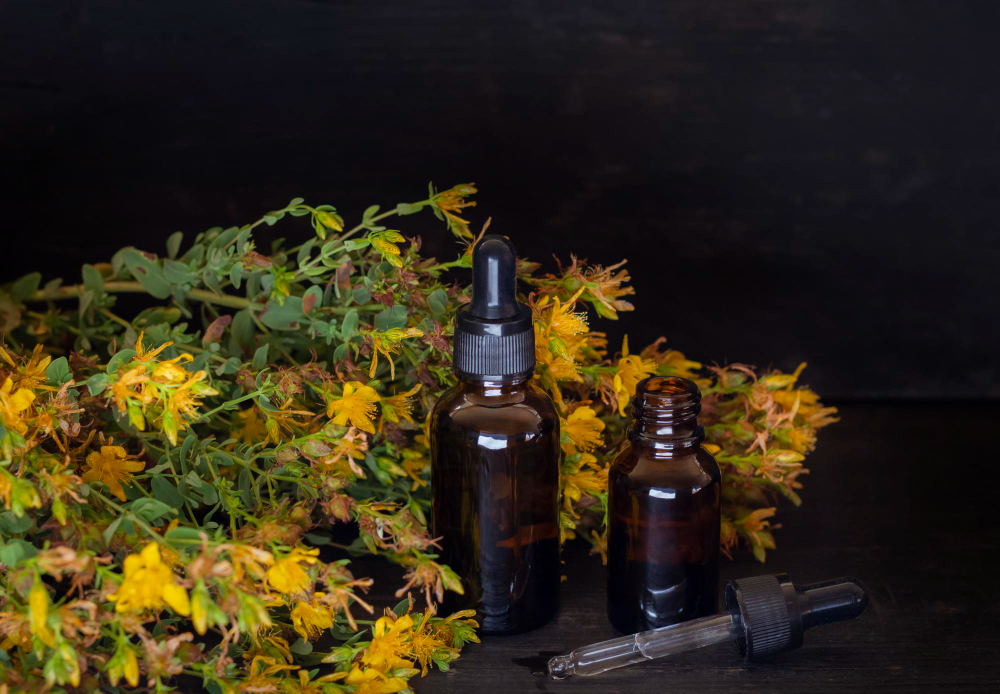
To store CBD oil properly and keep it fresh, it’s essential to follow a few simple guidelines. First, keep the oil in a cool, dark place like a pantry or cupboard, away from direct sunlight and heat sources, as light and warmth can degrade its quality. The ideal temperature range for storage is between 60 to 70 degrees Fahrenheit (16 to 21 degrees Celsius). It’s also important to store the oil in its original airtight dark glass container to minimize exposure to air, which can affect its potency. By following these steps, you can help extend the shelf life of your CBD oil, which typically lasts between one to two years when stored correctly.
Here, we’ll show you the best ways in detail on how to store your CBD oil. You’ll learn about the right temperatures, the best places to keep it, and how to avoid common mistakes. Whether you’re new to CBD or have been using it for a while, this guide will help you make sure your oil stays in top condition.
What is CBD Oil?
CBD oil is a natural extract derived from the cannabis plant, known for its potential health benefits without the psychoactive effects typically associated with marijuana. According to Harvard Health, It’s often used for pain relief, anxiety reduction, and various other health conditions, making it a popular choice for many seeking alternative treatments.
Importance of Proper Storage
Proper storage of CBD oil is crucial because it helps maintain the oil’s effectiveness and shelf life, ensuring that you get the most benefit from your product. Without proper storage, CBD oil can degrade, losing its potency and potentially becoming less safe to use.
Understanding CBD Oil
Types of CBD Oil
Full-Spectrum CBD Oil
Full-spectrum CBD oil is a type of CBD product that contains all the naturally occurring compounds found in the hemp plant, including THC (tetrahydrocannabinol). Unlike CBD isolate, which only contains CBD, full-spectrum CBD oil retains the full range of cannabinoids, terpenes, and flavonoids present in the original plant material.
The presence of THC in full-spectrum CBD oil is a key difference compared to other CBD products. However, the amount of THC in full-spectrum CBD oil is very low, typically less than 0.3%. This small amount is not enough to cause intoxication or impairment, but it may be detectable in drug tests.
Broad-Spectrum CBD Oil
Broad-spectrum CBD oil is a type of CBD product that contains a wide range of cannabinoids, terpenes, and other beneficial compounds found in the hemp plant, but with the THC (tetrahydrocannabinol) removed. Unlike full-spectrum CBD oil, which may contain trace amounts of THC, broad-spectrum CBD is completely THC-free
CBD Isolate
CBD isolate is a type of CBD product that contains pure, isolated CBD with all other cannabinoids, terpenes, and plant compounds removed. It is the most refined and purified form of CBD available.
Unlike full-spectrum and broad-spectrum CBD oils, CBD isolate contains no THC (tetrahydrocannabinol) or other minor cannabinoids. This makes it a good option for those who want to avoid any trace of THC, such as people subject to drug testing or those who are sensitive to the effects of THC.
Composition and Shelf Life of CBD Oil
Key Components
CBD oil is made up of cannabidiol (CBD) along with other potential cannabinoids, terpenes, carrier oils, and sometimes flavoring agents. Each component plays a role in the oil’s effectiveness and overall profile.
Factors Affecting Shelf Life
The shelf life of CBD oil is influenced by factors such as exposure to light, heat, and air. Proper storage conditions can significantly extend the oil’s usability by preventing these elements from degrading the product.
Ideal Storage Conditions
Temperature Requirements
Optimal Temperature Range
Storing CBD oil in a cool environment, ideally between 60-70°F (15-21°C), helps preserve its potency and extends its shelf life. Extreme temperatures can cause the oil to break down and lose its beneficial properties.
Effects of Temperature Fluctuations
Frequent changes in temperature can negatively impact CBD oil, causing it to degrade faster and lose its effectiveness. Consistent storage at a stable, cool temperature is best for maintaining quality.
Light Exposure
Impact of UV Light
Exposure to UV light can degrade CBD oil, reducing its potency and effectiveness. UV rays break down the compounds in the oil, making it less effective over time.
Tips for Minimizing Light Exposure
To protect CBD oil from light exposure, store it in a dark, opaque container and keep it in a dark place, like a cupboard or drawer. This minimizes the oil’s exposure to damaging UV rays.
Air and Humidity
Oxygen and Oxidation
When CBD oil is exposed to air, oxygen can cause the oil to oxidize, which degrades its quality and effectiveness. Keeping the oil sealed tightly in its original container helps prevent this.
Humidity Control
High humidity can also affect CBD oil by promoting the growth of mold and bacteria. Store the oil in a dry environment to avoid these issues and maintain its purity.
Storage Solutions
When it comes to preserving the quality and potency of CBD oil, selecting the appropriate storage container is crucial. Different materials offer varying levels of protection and can impact the oil in distinct ways.
Choosing the Right Container
Choosing the right container for storing CBD oil can significantly affect its longevity and efficacy. Among the available options, glass and plastic bottles are the most commonly used. However, each has its own set of advantages and disadvantages.
Glass vs. Plastic Bottles
Glass bottles are generally preferred over plastic for storing CBD oil, and for good reason. Glass is a non-reactive material, meaning it does not interact with the oil, ensuring that the product’s quality remains intact.
On the other hand, plastic bottles can sometimes interact with CBD oil. Certain chemicals from the plastic may leach into the oil, potentially affecting its purity and overall quality. Thus, for those looking to maintain the highest standards for their CBD oil, glass bottles are the superior choice.
Benefits of Amber or Dark-Colored Glass
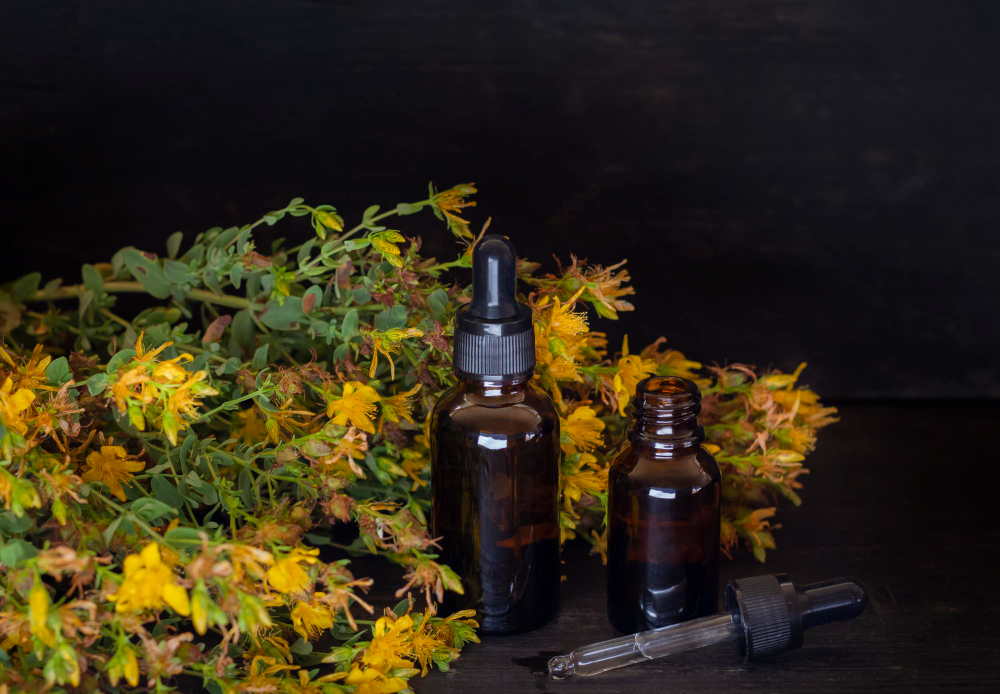
When it comes to glass bottles, not all are created equal. Amber or dark-colored glass bottles are particularly beneficial for storing CBD oil. These bottles are designed to protect the oil from light exposure, which is crucial for preserving its potency. Light, especially ultraviolet (UV) rays, can degrade CBD oil, diminishing its effectiveness over time.
Amber or dark-colored glass bottles effectively block out these harmful rays, thereby helping to maintain the oil’s strength and extend its shelf life. This added protection ensures that users can enjoy the full benefits of their CBD oil for a longer period.
Refrigeration vs. Room Temperature
Pros and Cons of Refrigerating CBD Oil
Refrigerating CBD oil can extend its shelf life by keeping it cool and reducing exposure to heat and light. However, refrigeration can sometimes cause the oil to thicken, making it harder to use.
Storing CBD Oil at Room Temperature
Storing CBD oil at room temperature is convenient and keeps the oil readily accessible. As long as the storage area is cool, dark, and dry, room temperature storage can be effective.
Travel and Portable Storage
Tips for Traveling with CBD Oil
When traveling with CBD oil, keep it in its original container and pack it in a cool, dark place to protect it from heat and light. Always check the legal status of CBD oil in your destination.
Portable Storage Options
Portable storage options, like small travel-sized containers or protective cases, can help keep your CBD oil safe and intact while on the go, ensuring you have access to it whenever you need.
Dos and Don’ts of Storing CBD Oil
Common Mistakes to Avoid
Exposure to Heat
Avoid exposing CBD oil to heat sources, such as direct sunlight or appliances, as this can cause the oil to degrade and lose its effectiveness quickly.
Incorrect Containers
Using incorrect containers, like those made from reactive materials, can affect the quality of CBD oil. Always store it in the container it came in or a suitable glass container.
Forgetting to Seal Properly
Leaving the CBD oil container open or not sealing it properly can lead to oxidation, reducing the oil’s potency. Always ensure the lid is tightly closed after each use.
Best Practices
Routine Checks
Regularly check your CBD oil for any changes in color, smell, or consistency to ensure it remains fresh and effective. This helps catch any issues early.
Labeling and Date Tracking
Label your CBD oil with the date of purchase and any relevant information. This helps you keep track of its age and ensures you’re using it within its optimal shelf life.
Signs of Spoiled CBD Oil
How to Identify Spoiled CBD Oil
Changes in Color
If your CBD oil has turned darker or cloudy, it may be a sign that it has degraded and is no longer good to use. Fresh CBD oil is usually clear to light amber in color.
Changes in Smell and Taste
Spoiled CBD oil can develop a rancid or off smell and taste, indicating that it has gone bad. If you notice any unusual odors or flavors, it’s best to discard the oil.
Consistency and Texture
If the consistency of your CBD oil has changed, becoming thicker, grainy, or separating, it may be a sign that the oil has spoiled. Fresh CBD oil should have a smooth, even texture.
What to Do with Spoiled CBD Oil
If you suspect your CBD oil has spoiled, it’s best to discard it to avoid any potential health risks. Using spoiled oil can be ineffective and potentially harmful.
Enhancing the Shelf Life of CBD Oil
Tips for Prolonging Freshness
Proper Handling Techniques
Handle CBD oil with clean hands and avoid contaminating the dropper or container to keep the oil fresh and free from bacteria. Always close the container tightly after use.
Use of Preservatives
Some CBD oils come with natural preservatives to extend shelf life. If you’re concerned about the longevity of your oil, consider products with added preservatives for extra protection.
How Long Does CBD Oil Last?
CBD oil typically lasts between 12 to 24 months when stored properly. The exact shelf life depends on factors like storage conditions and the quality of the oil.
Can You Freeze CBD Oil?
While you can freeze CBD oil to extend its shelf life, it’s generally not necessary. Freezing can cause the oil to thicken, making it harder to use. Refrigeration is usually sufficient.
What Happens if CBD Oil is Stored Incorrectly?
If CBD oil is stored incorrectly, it can degrade, losing its potency and effectiveness. This can result in a less beneficial product and potentially harmful effects if the oil has spoiled.
How Long is CBD Oil Good For Once Opened?
Once opened, CBD oil typically remains fresh for several months when stored properly. The exact shelf life depends on factors such as storage conditions, packaging, and the quality of the oil. Generally, it’s recommended to use opened CBD oil within 6-12 months, but always check the product’s expiration date and follow the manufacturer’s guidelines for storage and use.
Is Refrigeration Necessary?
Refrigeration is not strictly necessary for CBD oil, but it can help extend its shelf life. Storing the oil in a cool, dark, and dry place is typically sufficient.
Does CBD Oil Go Bad?
CBD oil can go bad over time, just like other oils. The shelf life of CBD oil is typically 1-2 years, but it can vary depending on how it’s stored. To keep your CBD oil fresh, store it in a cool, dark place and avoid exposing it to heat or light.
How Can I Tell if My CBD Oil Has Gone Bad?
You can tell if your CBD oil has gone bad by checking for changes in color, smell, taste, and consistency. If the oil has darkened, developed an off smell or taste, or changed texture, it may have spoiled.
Final Thoughts on Storing CBD Oil
Proper storage of CBD oil is essential for maintaining its quality, potency, and safety. By following best practices and avoiding common mistakes, you can ensure your CBD oil remains effective and beneficial for as long as possible.
Disclaimer
Please note that the information provided here is for educational purposes only and is not intended as medical advice. The proper storage and handling of CBD oil can vary depending on the specific product, manufacturer, and your individual needs. It’s always best to follow the storage instructions provided by the manufacturer of your CBD oil and to consult with a healthcare professional if you have any concerns or questions about using CBD products. Proper storage is important to maintain the quality and potency of your CBD oil, but individual results may vary.
Interesting Reads:
What Is CBD Cream? Your Beginner’s Guide to CBD Topical Products