 CBD Gummies | 25mg THC-Free | Tropical Sours
  DIY CBD Hemp Tincture Kit
  CBD Gummies | 25mg Full Spectrum | Oregon Mixed Berries
 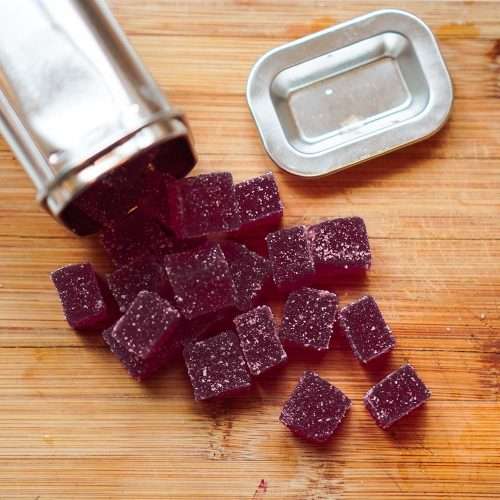 CBD Gummies | 25mg CBD + 5mg CBN | Sleepytime Elderberry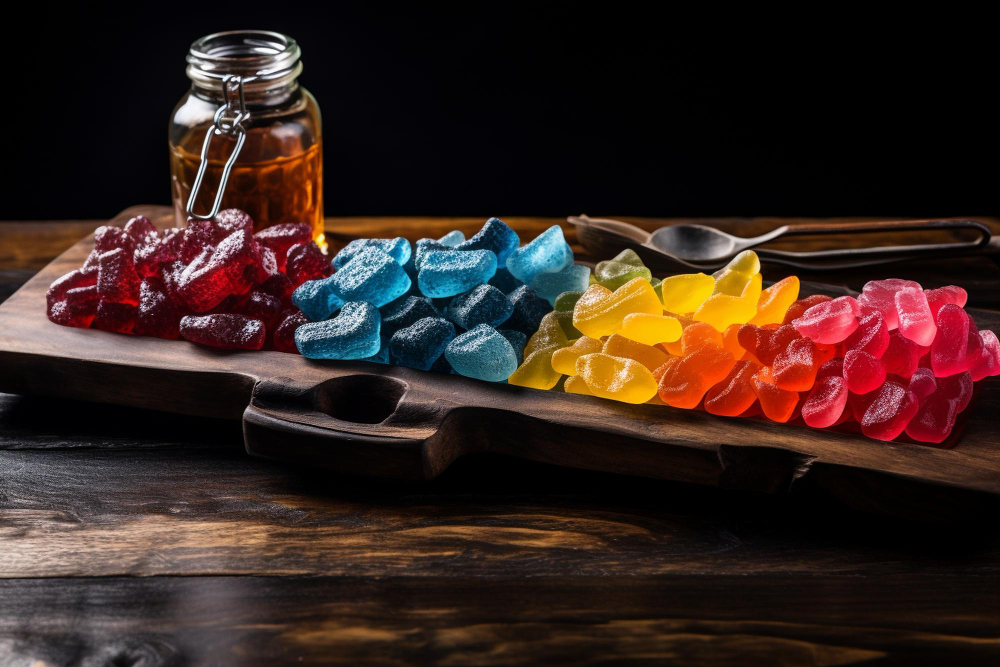
When it comes to using CBD, there are two popular ways to take it: orally or topically. Oral CBD includes products like tinctures, capsules, and gummies, which are swallowed and absorbed through the digestive system. On the other hand, topical CBD comes in the form of creams, balms, salve, oils and lotions that are applied directly to the skin for localized relief.
Picking between oral and topical CBD can be confusing, especially if you’re trying to find out which one is better for you. In this article, we’ll look at how these two types work, how well they work, and help you decide which one might suit you best.
What is Oral CBD?
Oral CBD refers to cannabidiol that is ingested through the mouth, allowing it to be absorbed into the bloodstream via the digestive system. This method of consumption is popular because it offers various forms, including tinctures, capsules, and gummies, each catering to different preferences and lifestyles. Tinctures are liquid extracts often mixed with carrier oils, allowing for sublingual absorption for quicker effects. Capsules provide a convenient, no-taste option, while gummies are favored for their taste and ease of use.
Each form has its unique characteristics, but they all share the common benefit of delivering CBD’s potential therapeutic effects, such as reducing anxiety and promoting relaxation, over a longer duration compared to other methods of consumption.
How Oral CBD is Absorbed and its Systemic Effects?
The absorption of oral CBD occurs primarily through the digestive tract, where it is metabolized before entering the bloodstream, leading to systemic effects throughout the body. This process can take anywhere from 30 minutes to 2 hours, depending on several factors, including the form of CBD consumed and individual metabolism. Once absorbed, CBD interacts with the endocannabinoid system, which helps regulate various bodily functions like mood, sleep, and pain sensation. The systemic effects of oral CBD are generally milder compared to topical applications, as it does not target specific areas but rather provides a more generalized sense of well-being.
Benefits and Disadvantages Of Oral CBD
When considering the pros and cons of oral CBD, several factors come into play. On the positive side, oral CBD is well-tolerated by many users, offers a wide variety of product types, and provides systemic benefits that can last for several hours. It is relatively easy to use and dose.
There are drawbacks, such as the delayed onset of effects, which can take longer to manifest compared to other methods like vaping or sublingual administration. Some users may also find that oral CBD does not effectively target specific areas of discomfort, and there can be variability in product quality and potency, necessitating careful selection and education when choosing products.
Horn Creek Offers Variety Of Oral CBD Products

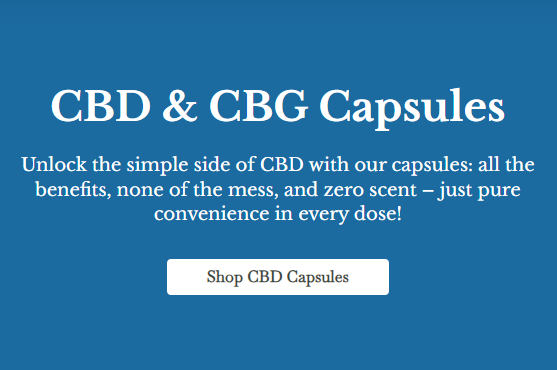

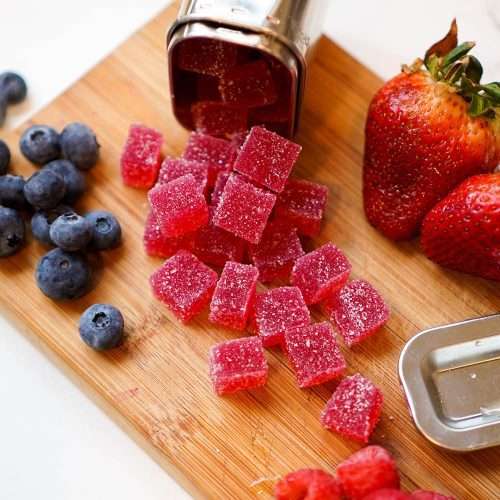
Horn Creek has a variety of oral CBD products to choose from, making it easy for you to find what works best. If you like something sweet, their CBD Gummies are a tasty option. These gummies are simple to take and can be a fun way to get your daily dose of CBD.
For those who prefer a more straightforward approach, Horn Creek also offers CBD Capsules. These capsules are convenient and easy to swallow, providing a precise dose of CBD without any fuss. They’re perfect for taking on the go or adding to your daily routine.
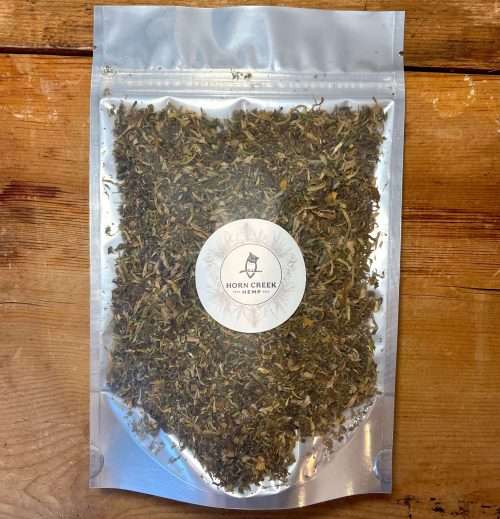
If you’re looking for flexibility, the CBD Tinctures from Horn Creek might be just what you need. These tinctures can be taken directly or added to your favorite drinks or food. With a dropper, you can easily control the amount of CBD you’re using, making it a versatile option for your wellness needs.
What is Topical CBD?
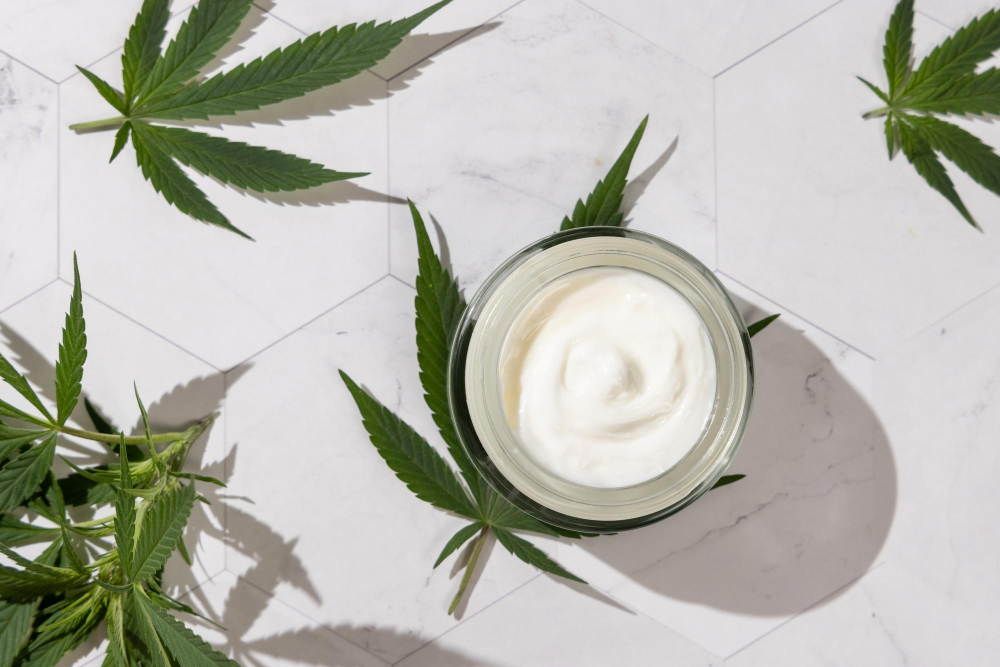
Topical CBD refers to cannabidiol products that are applied directly to the skin, allowing for localized effects without entering the bloodstream. This method is particularly popular for targeting specific areas of discomfort, such as sore muscles or joint pain. Topical CBD products come in various forms, including creams, balms, and lotions. Creams are typically lightweight and designed for quick absorption, making them suitable for general skin care and relief from mild discomfort. Balms, on the other hand, are thicker and often provide a more intense moisturizing effect, ideal for dry or cracked skin. Lotions combine the benefits of CBD with other nourishing ingredients to hydrate and protect the skin, making them a versatile choice for daily use.
How topical CBD interacts with the skin and localized areas?
When topical CBD is applied to the skin, it interacts with cannabinoid receptors located in the epidermis, which is part of the body’s endocannabinoid system. This interaction helps to relieve localized discomfort and inflammation without producing systemic effects. The absorption rate varies depending on the formulation; water-based topicals tend to activate quickly, often within a few minutes, while oil-based options may take longer to show effects. Despite their localized action, topical CBD products do not penetrate deeply enough to reach the bloodstream, which limits their effects to the area of application. This characteristic can be beneficial for those seeking targeted relief without the broader impacts associated with oral CBD consumption.
Advantages and Disadvantages Of Topical CBD
The pros of using topical CBD include its ability to provide immediate relief to specific areas, ease of application, and minimal invasiveness, making it a good option for those new to CBD.
Topicals often include other beneficial ingredients, such as essential oils, which can enhance their soothing effects.
There are also cons to consider. The effectiveness of topical CBD can vary widely based on the product’s formulation and quality, and it generally has lower bioavailability compared to oral CBD, meaning less of the active ingredient may be absorbed.
While topical CBD is effective for localized issues, it may not address systemic conditions, requiring users to consider other forms of CBD for comprehensive wellness.
Try Horn Creek Topical CBD For Pain
If you’re looking for relief from aches and pains, Horn Creek’s Topical CBD products could be a great option. These topicals, like salve, oil and butter, are designed to be applied directly to the skin where you need it most. They work by targeting specific areas, helping to soothe sore muscles and joints.
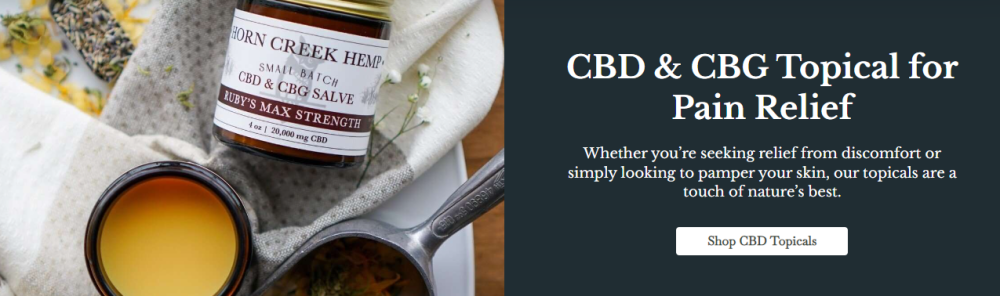
Horn Creek’s topical CBD is easy to use and can be a part of your daily routine. Just rub a small amount onto the affected area, and you might start to feel relief in no time. Whether you’re dealing with muscle soreness or joint discomfort, these products are a natural way to support your body’s recovery.
Comparative Analysis: Oral vs. Topical CBD
Comparative analysis of oral versus topical CBD involves understanding how each method can be effective for different health conditions. Oral CBD is often used for systemic issues like pain and anxiety, as it disperses throughout the body, providing a broader range of effects. It can help with conditions such as chronic pain and anxiety disorders. In contrast, topical CBD is more suited for localized issues, such as skin problems or muscle soreness, as it targets specific areas directly. While both forms have their strengths, the effectiveness can vary based on individual needs and the specific condition being treated.
Bioavailability and Absorption Rates
Bioavailability and absorption rates differ significantly between oral and topical CBD. Oral CBD is absorbed through the digestive system, which can take time, usually around 30 minutes to two hours, before effects are felt. This method generally has higher bioavailability, meaning more of the CBD enters the bloodstream. On the other hand, topical CBD is applied directly to the skin, where it interacts with local cannabinoid receptors. While it acts quickly, providing immediate relief, it has lower bioavailability since it does not enter the bloodstream in significant amounts. This difference in absorption rates affects how quickly and effectively each form can provide relief.
Safety and Side Effects
When considering safety and side effects, topical CBD is generally regarded as safer than oral CBD because it is applied externally and is less likely to cause systemic side effects. Users should be aware of potential allergic reactions to other ingredients in topical formulations. Oral CBD can have side effects such as fatigue, changes in appetite, and gastrointestinal issues, particularly if taken in high doses. Therefore, understanding these safety profiles is essential when choosing between the two forms.
How to Choose Between Oral and Topical CBD?
Choosing between oral and topical CBD depends on individual health goals and lifestyle factors. If someone is looking for relief from widespread issues like anxiety or chronic pain, oral CBD might be the better option due to its systemic effects. Conversely, if the goal is to address a specific area of discomfort, such as sore muscles or skin irritations, topical CBD would be more effective.
Personal preferences also play a role; for instance, some people may prefer the convenience of gummies or capsules, while others might favor creams or balms for targeted relief. Practical tips for using both forms effectively include starting with a low dose and gradually increasing it, keeping a journal to track effects, and consulting with a healthcare provider for personalized recommendations.
Final Thoughts on CBD Topical Vs Oral
Oral and topical CBD each have their own pros and cons, so they work well for different purposes. Oral CBD is good for overall body relief, making it great for issues that affect the whole body. Topical CBD, on the other hand, is best for quick, targeted relief in specific areas. When choosing between the two, it’s important to think about your health needs, how you prefer to use CBD, and any possible side effects.
Interesting Reads:
What is Meadowfoam Seed Oil and its Skin Benefits
What Is CBD Cream? Your Beginner’s Guide to CBD Topical Products