As dogs grow older, their health naturally begins to decline. Just like humans, they can develop illnesses, experience pain, or struggle with mobility. As a pet owner, it’s important to recognize when your dog’s health is changing so you can provide the best possible care.
Early intervention can make a huge difference in your dog’s comfort and quality of life. If you notice small changes, acting quickly can help manage symptoms before they become serious. By understanding what to watch for and knowing how to respond, you can ensure your furry friend gets the care they need during this stage of life.
Recognizing Signs of Declining Health in Dogs
Behavioral Changes
A dog’s behavior often shifts when they don’t feel well. If your normally playful dog is suddenly uninterested in walks, toys, or socializing, it could be a sign of discomfort. Some dogs may prefer to be alone more often, hiding in quiet areas of the house. Others might become irritable or even aggressive, especially if they’re in pain. Paying attention to these changes can help you understand when something is wrong.
Physical Symptoms
Changes in a dog’s physical appearance and daily habits are also key indicators of declining health. Sudden weight loss, difficulty breathing, and a decreased appetite are common symptoms of illness. If your dog is eating less, coughing frequently, or struggling to move, it’s important to take these signs seriously. Even subtle changes can point to underlying health problems that need attention.
Cognitive Decline
Older dogs can experience cognitive decline, similar to dementia in humans. They may forget familiar places, get stuck in corners, or seem confused about routines they once followed. Accidents in the house, such as urinating indoors despite being potty-trained, can also be a sign of mental decline. These changes can be distressing, but recognizing them early can help you provide better care.
Common Health Issues in Aging Dogs
Arthritis and Mobility Problems
As dogs age, their joints can become stiff and painful, making movement difficult. You may notice your dog limping, avoiding stairs, or struggling to get up after lying down. While arthritis is common, there are treatments available to help ease discomfort and improve mobility.
Kidney and Liver Disease
Kidney and liver problems are also prevalent in senior dogs. Symptoms can include excessive thirst, frequent urination, vomiting, and weight loss. These conditions require medical management, so it’s important to have regular checkups to catch issues early.
Cancer and Tumors
Older dogs are at higher risk for cancer, and tumors can develop anywhere on the body. Some may be harmless, but others can be life-threatening. If you notice unusual lumps, changes in appetite, or unexplained weight loss, it’s essential to get your dog checked by a veterinarian.
Cognitive Dysfunction Syndrome
Cognitive dysfunction can cause disorientation, anxiety, and behavioral changes. Dogs with this condition may pace at night, forget familiar faces, or stare at walls. While it’s not curable, certain treatments can slow the progression and improve their quality of life.
Steps to Take When Your Dog’s Health Declines
1. Monitor Symptoms and Keep a Health Journal
Keeping track of your dog’s symptoms can help you notice patterns and share accurate information with your vet. Write down changes in appetite, energy levels, bathroom habits, and behavior. This journal can help determine the best course of action for your pet’s care.
2. Consult a Veterinarian
Even if symptoms seem minor, a veterinarian can provide professional guidance. Routine checkups and diagnostic tests can detect health problems early. Your vet can recommend treatments, medications, or lifestyle changes that can help your dog feel better.
3. Adjusting Diet and Nutrition
A balanced diet plays a big role in a dog’s health, especially as they age. Certain foods can support joint health, digestion, and immune function. Adding supplements like fish oil, glucosamine, or probiotics may also help. Always consult your vet before making changes to your dog’s diet.
4. Exploring Alternative Treatments
Beyond traditional medicine, alternative therapies can offer relief. CBD is commonly used to reduce pain and anxiety in dogs, while acupuncture and physical therapy can improve mobility. Exploring different treatments can help find the best approach for your pet.
CBD for Dogs: Benefits and Uses
How CBD Works for Dogs
CBD interacts with a dog’s endocannabinoid system, which helps regulate pain, mood, and inflammation. It can provide relief from chronic conditions without the side effects of traditional medications.
CBD for Pain Management in Aging and Sick Dogs
CBD is often used to manage pain caused by arthritis, inflammation, and nerve conditions. It can help dogs move more comfortably and enjoy daily activities.
Can CBD Help Dogs with Anxiety and Stress?
Anxiety is common in aging dogs, especially those with cognitive decline. CBD can promote relaxation, reduce restlessness, and help dogs feel more secure in their environment.
Choosing the Right CBD Product and Dosage for Your Dog
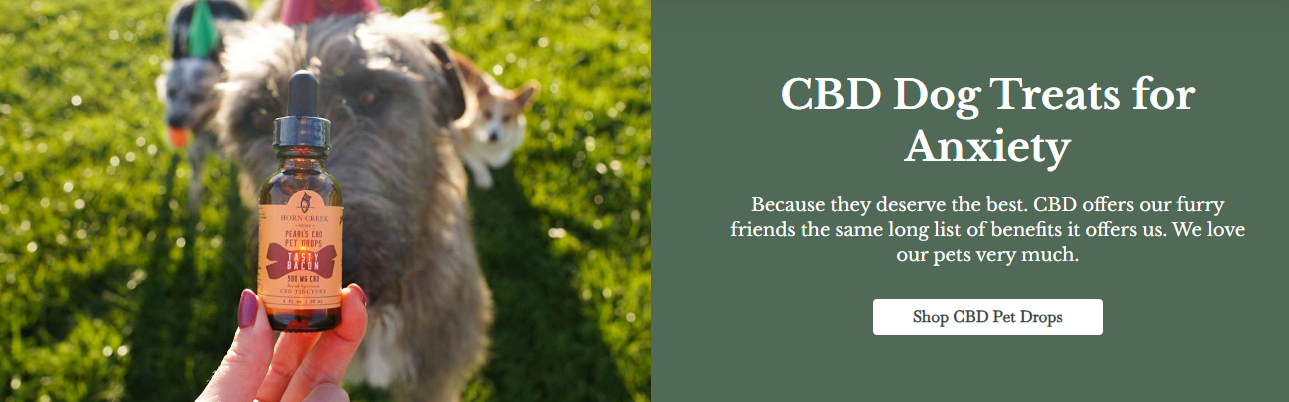
Not all CBD products are the same. It’s important to choose high-quality, pet-safe CBD oil or treats. The right dosage depends on your dog’s weight and condition, so start with a low dose and adjust as needed.
Potential Side Effects and Safety Considerations
While CBD is generally safe, some dogs may experience mild side effects like drowsiness or upset stomach. Always monitor your dog and consult a vet before starting any new supplement.
Ensuring Comfort and Quality of Life
Creating a Comfortable Space
Providing a warm, quiet, and soft resting area can make a big difference for a sick or aging dog. Keep their bed in an accessible spot, away from loud noises or cold drafts.
Managing Pain and Mobility Challenges
If your dog struggles to move, consider using ramps, orthopedic beds, or anti-slip rugs. Pain medications, massage, and gentle exercise can also improve their comfort.
When to Consider End-of-Life Care
Signs That Euthanasia Might Be the Kindest Option
Making end-of-life decisions is heartbreaking, but sometimes it’s the most compassionate choice. If your dog is in constant pain, unable to eat, or struggling to breathe, euthanasia may be the kindest option to prevent suffering.
Emotional Support for Pet Owners
Losing a pet is never easy. Seeking support from friends, family, or pet loss groups can help you cope. Remember that grieving is natural, and it’s okay to take time to heal.
Final Thoughts
Caring for a dog with declining health can be challenging, but knowing what steps to take can make the process easier. Regular vet visits, a proper diet, and alternative treatments like CBD can help manage symptoms and improve your dog’s quality of life. If the time comes to consider end-of-life care, remember that you are making decisions out of love and compassion. Seek guidance from your vet, cherish the moments with your pet, and know that you did your best to provide comfort and care.
Interesting Reads: