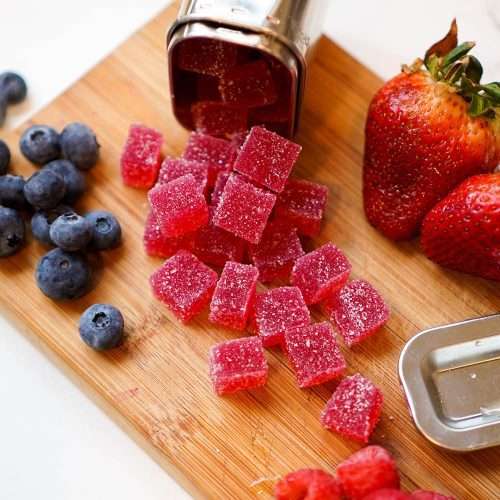
 CBD Gummies | 25mg Full Spectrum | Oregon Mixed Berries
 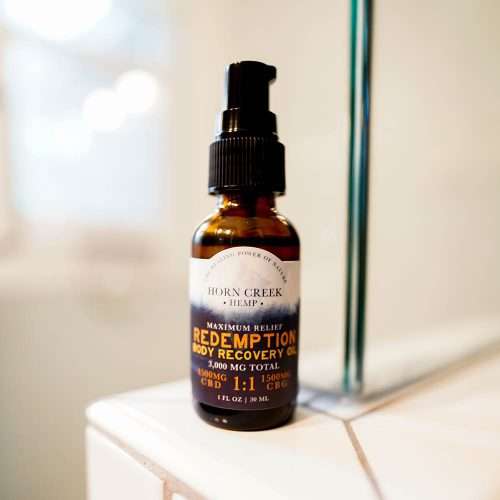 Redemption Body Recovery Oil
 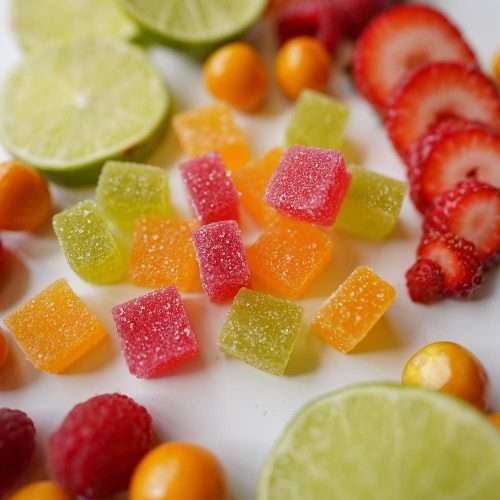 CBD Gummies | 25mg THC-Free | Tropical Sours
 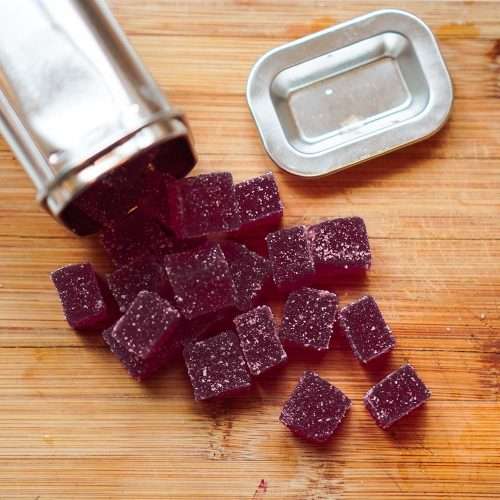 CBD Gummies | 25mg CBD + 5mg CBN | Sleepytime Elderberry
 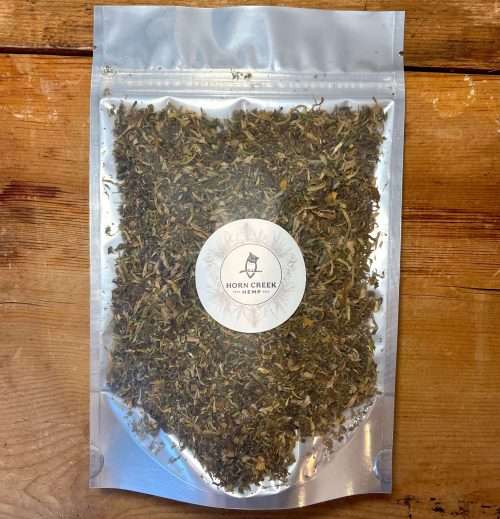 DIY CBD Hemp Tincture Kit
 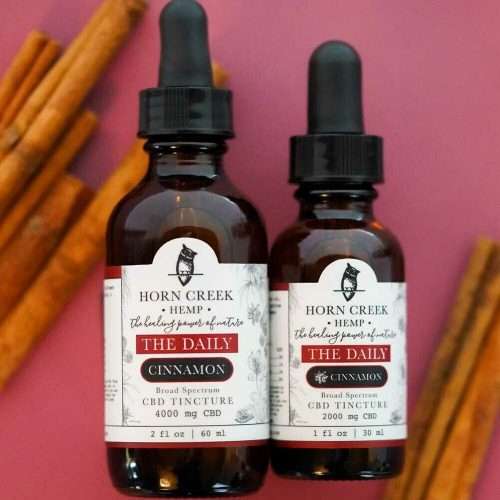 Cinnamon | The Daily CBD Tincture
 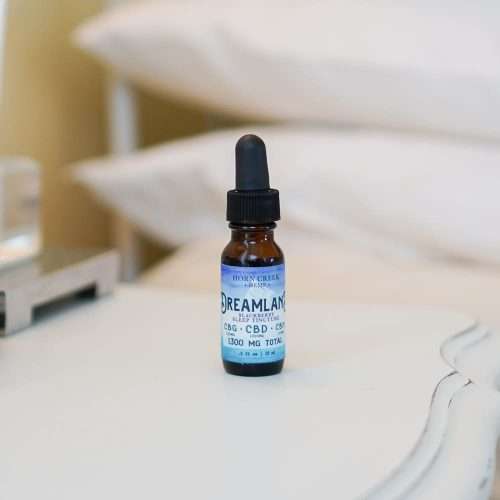 Dreamland Sleep Tincture | CBD + CBG + CBN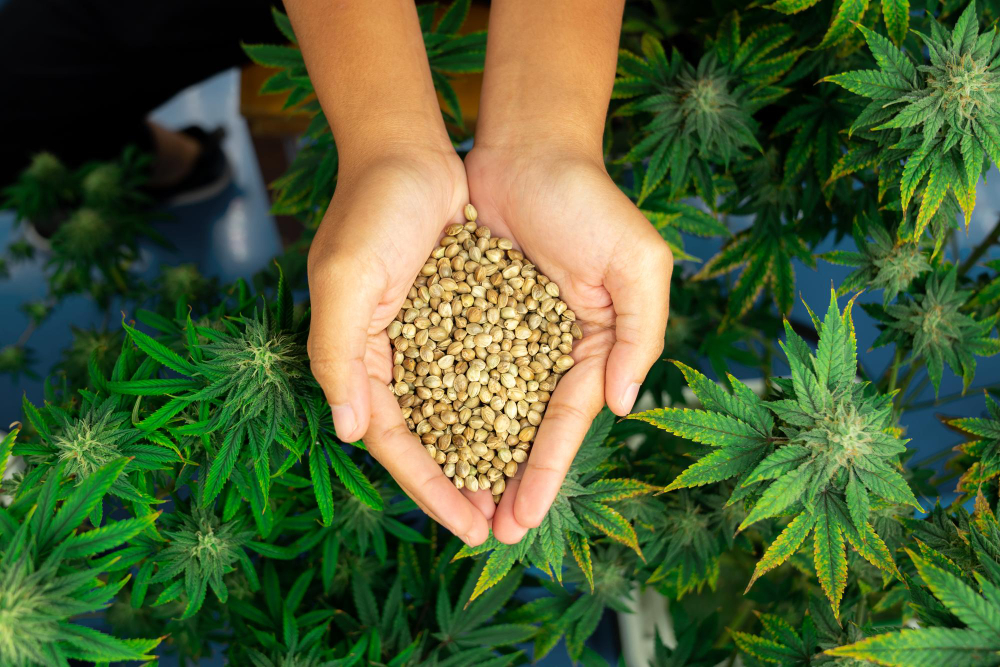
CBD gummies have become a popular choice for people looking to enjoy the benefits of cannabidiol in a tasty and convenient form. With the growing demand for these products, there’s increasing curiosity about how they’re made, particularly whether CBD processors use biomass or flower to make these gummies. Understanding the source of the CBD in your gummies is crucial because it can affect everything from potency to flavor and even the overall quality of the product.
What is Biomass?
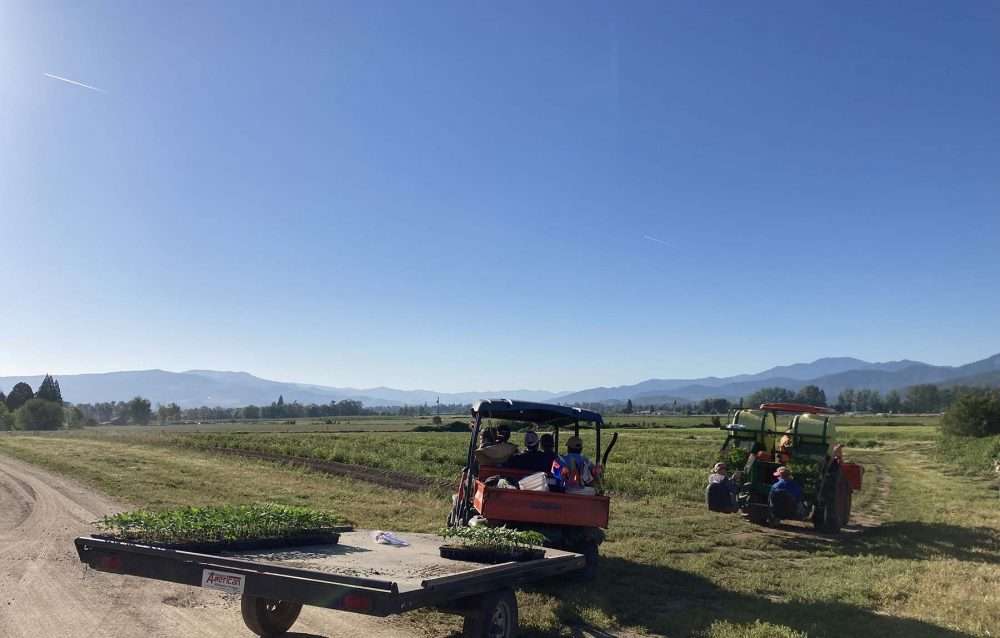
Biomass refers to the entire plant material derived from the hemp plant, including stalks, leaves, seeds, and flowers. The use of biomass in CBD production is generally more cost-effective, as it allows for the utilization of the entire plant, minimizing waste and maximizing yield. This approach is ideal for large-scale production, as it enables processors to produce high volumes of CBD, which is essential for meeting the growing demand for CBD gummies. Moreover, biomass often contains a broad spectrum of cannabinoids and terpenes, contributing to the entourage effect—a phenomenon where multiple compounds work together to enhance the therapeutic effects of CBD.
What is CBD Flower?
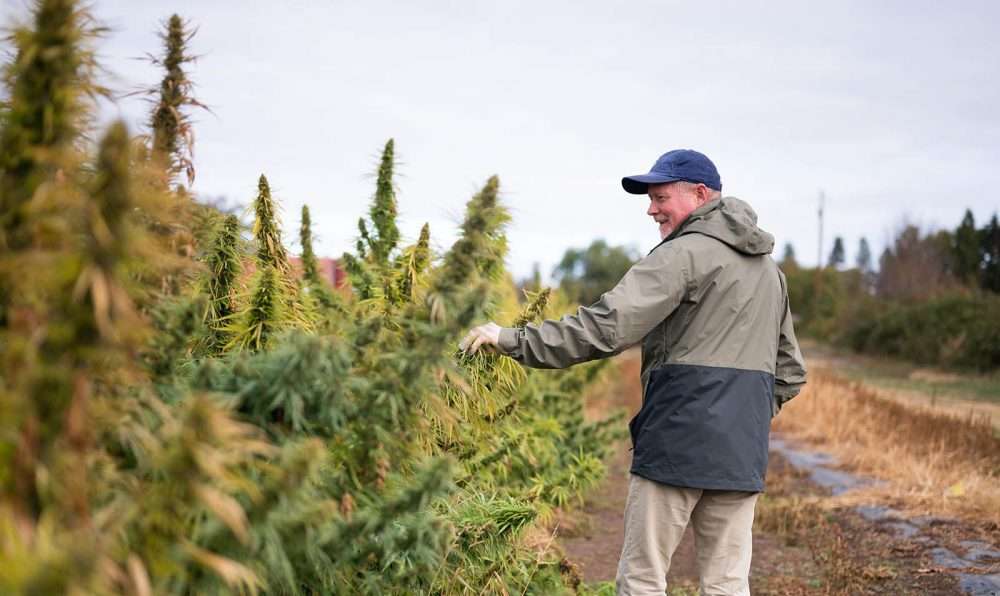
CBD flower specifically refers to the flowering tops of the hemp plant, which are rich in cannabinoids, particularly CBD. The use of CBD flower in gummy production is often associated with superior quality, as the flower’s purity and concentration of cannabinoids result in a more potent and targeted effect.
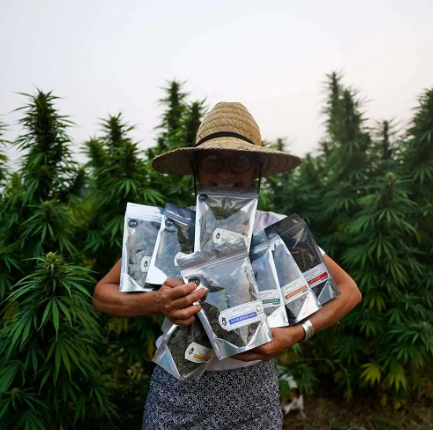
CBD flower can be selectively bred to enhance specific cannabinoid profiles, offering more control over the effects of the final product. However, this approach tends to be more expensive, which may be a consideration for manufacturers when deciding between biomass and flower.
Key Differences Between Biomass and Flower
The main difference between CBD biomass and flower is the concentration of CBD and other cannabinoids. Flower generally has a higher cannabinoid content, making it more potent. Biomass, while more economical, contains lower concentrations of CBD and may also include more plant material that isn’t rich in cannabinoids.
The Extraction Process: Biomass vs. Flower
The extraction process for both biomass and flower involves similar methods, such as CO2 extraction, ethanol extraction, or hydrocarbon extraction. However, the choice between biomass and flower can significantly impact the quality, potency, and cost of the final product.
CO2 Extraction:
CO2 extraction is a popular method used to extract CBD from both biomass and flower. This process uses supercritical CO2, which acts as a solvent to pull cannabinoids, terpenes, and other beneficial compounds from the plant material. When extracting from biomass, CO2 extraction can yield a broader spectrum of cannabinoids, but when extracting from flower, the result is often a purer, more potent CBD extract.
Ethanol Extraction:
Ethanol extraction is another common method, where ethanol is used to dissolve cannabinoids from the plant material. This method is particularly effective for extracting CBD from biomass, as it can handle larger quantities of plant material. Ethanol extraction from flower, however, is typically used for producing small batches of high-potency CBD oil.
Do Hemp Processors Use Biomass or Flower For Edibles?
Hemp processors can use both biomass and flower to make edibles, but the choice depends on what they want to achieve. Biomass, which includes leaves, stems, and other parts of the hemp plant, is often used because it’s more cost-effective and still contains enough cannabinoids to produce CBD. However, the flower, which has a higher concentration of CBD and other beneficial compounds, is preferred when making higher-quality edibles. Using the flower can result in more potent and flavorful products, though it’s generally more expensive than using biomass.
Which is Better for Making CBD Gummies: Biomass or Flower?
The choice between using biomass or flower for making CBD gummies depends on several factors, including cost, desired potency, and the intended market for the product. Biomass is often more cost-effective for large-scale production, as it reduces waste and lowers production costs. This makes it an ideal choice for manufacturers aiming to produce affordable CBD gummies in bulk.
CBD flower is better suited for premium products that prioritize potency and quality. The higher concentration of cannabinoids in the flower allows for the production of gummies with a more potent and targeted effect, which can appeal to consumers seeking high-quality, effective products.
The Entourage Effect: A Main Consideration
Another critical factor to consider when choosing between biomass and flower is the entourage effect. Products made from biomass, which contain a wider variety of cannabinoids and terpenes, may provide a more comprehensive therapeutic experience compared to products made solely from CBD flower. The entourage effect highlights the importance of the interaction between the various compounds in the hemp plant, which can enhance the overall effectiveness of the product.
Final Thoughts
The decision between using biomass or flower for CBD gummies depends on the specific goals of the manufacturer, including cost considerations, desired potency, and market demand. While biomass offers a cost-effective solution for large-scale production, CBD flower provides a higher potency and superior quality for premium products, catering to different segments of the growing CBD market.
Interesting Reads: