 CBD Gummies | 25mg THC-Free | Tropical Sours
 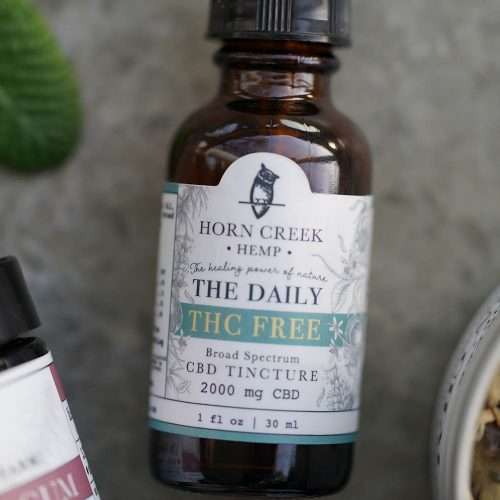 THC-Free | The Daily CBD Tincture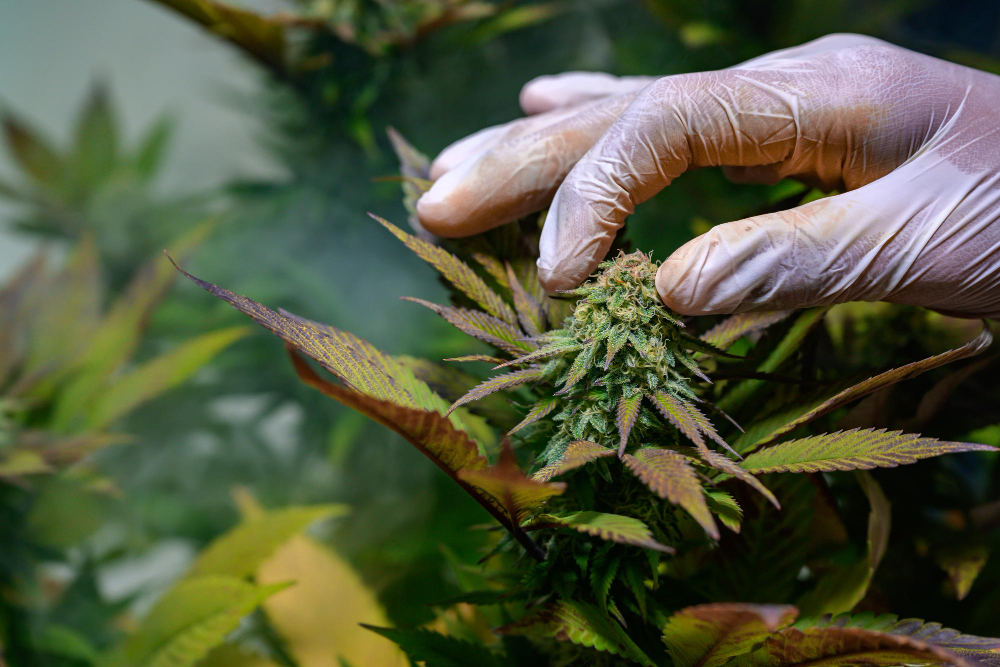
CBD flower and CBD biomass are both parts of the hemp plant, but they are used for different purposes.
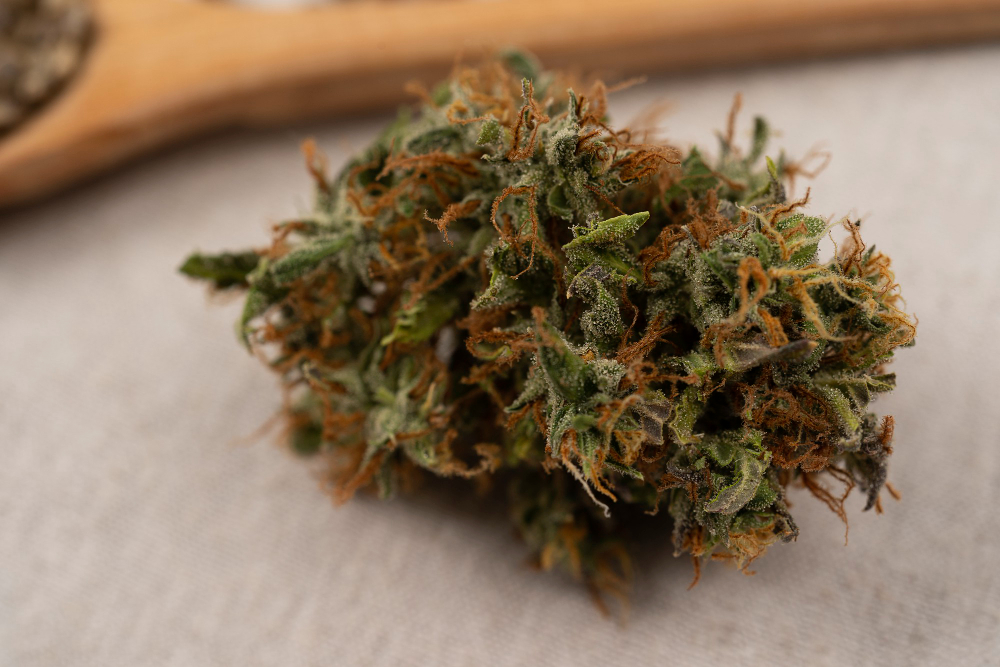
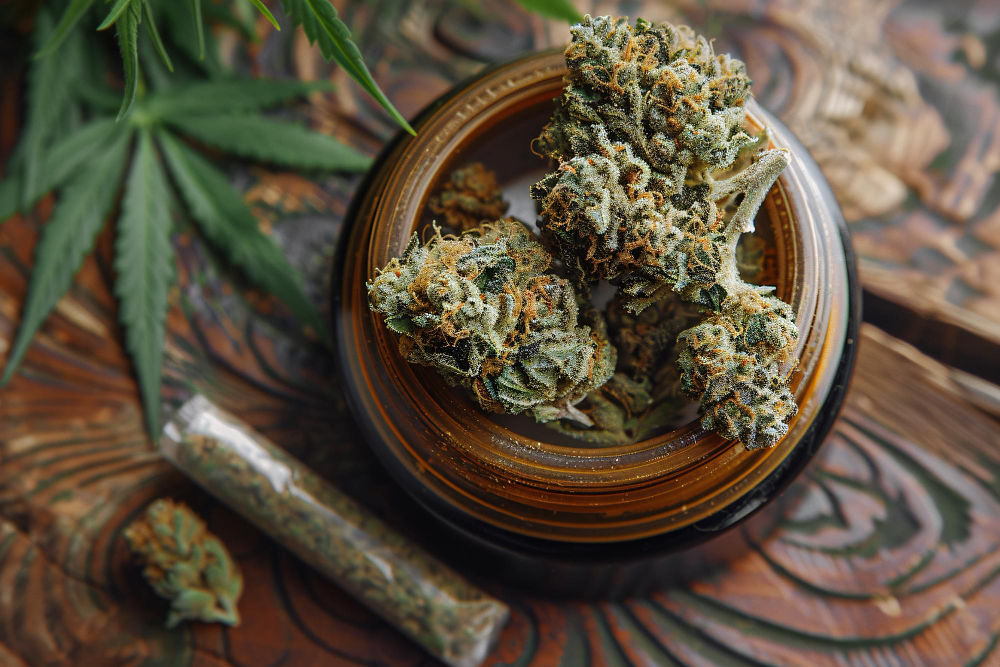
CBD flower is the flowering part of the hemp plant. It is carefully grown and harvested to preserve its high CBD content and aromatic qualities. People often use CBD flowers for smoking or vaping because it contains a rich blend of cannabinoids and terpenes.
On the other hand, CBD biomass includes all the leftover parts of the hemp plant, such as stems, leaves, and smaller flowers. It is less potent than CBD flower but is used to extract CBD oil and other products in large quantities. This makes CBD biomass more suitable for industrial purposes where large-scale CBD extraction is needed.
What is CBD Flower?
CBD flower refers to the blooming part of the hemp plant that contains cannabidiol (CBD). Unlike marijuana, which has high levels of THC (the compound that gets you high), CBD flower has very low levels of THC and is used primarily for its potential health benefits. The flower looks similar to marijuana buds but is usually smaller and less dense. It has a variety of strains, each with its own unique smell and taste, thanks to the different combinations of cannabinoids and terpenes.
Common Uses and Benefits
People use CBD flowers for various reasons. Some smoke or vape it to help with anxiety, stress, or pain because CBD is thought to have calming effects on the body and mind. Others use it in teas or tinctures as a natural way to improve sleep or boost overall well-being.
The benefits are believed to come from CBD’s potential to interact with the body’s endocannabinoid system, which helps regulate various functions like mood, pain, and inflammation. However, while many find it helpful, it’s important to remember that research is still ongoing, and results can vary from person to person.
What is CBD Biomass?
CBD biomass is the plant material from hemp plants that is used to extract CBD. It includes the stems, leaves, and sometimes the flowers of the plant. This biomass is not just the flower but all parts of the plant that have been harvested and prepared for processing. The characteristics of CBD biomass depend on the type of hemp plant and its growing conditions, but generally, it contains a mix of cannabinoids (like CBD), terpenes, and other plant compounds.
Common Uses and Benefits
CBD biomass is mainly used to produce CBD extracts and products. After harvesting, the biomass can be processed to extract CBD oil, which is then used in various products like oils, creams, and capsules. It’s valued because it provides a lot of raw material for making CBD products at a lower cost compared to using just the flowers.
The benefits of using CBD biomass come from the CBD extracted from it, which many people use for its potential calming and therapeutic effects. The whole process helps make CBD products more accessible and affordable.
Key Differences Between CBD Flower vs CBD Biomass
Composition and Physical Properties
CBD flower is the part of the hemp plant that blooms and is often used directly for its high concentration of CBD. It’s usually more potent and aromatic due to its higher levels of cannabinoids and terpenes. In contrast, CBD biomass includes all parts of the plant—leaves, stems, and flowers. It has a lower concentration of CBD compared to the flowers and is bulkier with more plant material. The flowers are more refined, while biomass is more diverse and less concentrated.
Usage in CBD Products
CBD flower is often used in products where a strong, direct effect of CBD is desired, such as in smoking, vaping, or high-quality extracts. Its high concentration of CBD makes it ideal for these uses. CBD biomass, on the other hand, is used mainly for making bulk CBD products. It’s processed to extract CBD oil, which is then used in various products like creams, oils, and capsules. The biomass is less expensive to process but less potent, so it’s used where high volumes are needed.
Impact on Extraction Processes
Extracting CBD from CBD flower usually yields a more concentrated and higher quality CBD oil, which is beneficial for premium products. The extraction process from flowers tends to be more straightforward and efficient in producing high-quality CBD. Extracting from CBD biomass can be more cost-effective and suitable for large-scale production, but the process might involve more steps to get a similar concentration of CBD. Biomass extraction can be more difficult because it involves handling a mix of different plant parts, which can affect the purity and potency of the final CBD product.
Applications and Uses
How CBD Flower is Used in Products
CBD flower is often used directly in products that require a high concentration of CBD. For instance, it can be smoked or vaped to quickly deliver CBD to the body. It is also used in high-end CBD oils, where its potent CBD content helps create more effective products.
CBD flower can be used in making premium teas, tinctures, or edibles that emphasize the natural flavor and benefits of CBD. Because it is so rich in CBD and terpenes, it’s ideal for products aimed at people seeking strong effects or specific aromas and flavors.
How CBD Biomass is Used in Products
CBD biomass is used mainly in the production of CBD oil and other large-scale products. The biomass is processed to extract CBD, which is then used in more affordable and mass-produced items like creams, capsules, and general-purpose oils. Because biomass contains a mix of plant parts and has lower CBD concentration, it’s a practical choice for creating a wide range of products where cost-effectiveness is important. It helps make CBD products more accessible and affordable for everyday use, though it might not be as potent as products made from pure CBD flower.
Benefits and Drawbacks
Pros and Cons of Using CBD Flower
Pros: CBD flower is rich in cannabinoids and terpenes, which can provide strong effects and a more refined experience. It’s ideal for high-quality, premium products like oils and tinctures, which benefit from its high CBD content. The flower’s natural aroma and flavor are also appreciated in various products, giving them a distinctive, pleasant quality.
Cons: CBD flower can be more expensive because it’s more concentrated and requires careful handling. It’s also less practical for large-scale production due to its higher cost and the need for more precise processing. Some people might find the flower’s strong aroma or taste less appealing.
Pros and Cons of Using CBD Biomass
Pros: CBD biomass is more cost-effective and practical for large-scale production. It provides a bulk source of material, making it ideal for creating a wide range of products like creams, capsules, and general-purpose oils. The lower cost of biomass helps make CBD products more affordable for everyday use.
Cons: The CBD concentration in biomass is lower, so the final products might not be as potent or effective as those made from CBD flower. Processing biomass can be more complex and might result in a less refined product with varying levels of cannabinoids and other compounds. Biomass might not have the same strong aroma or flavor as CBD flower.
How to Choose Between CBD Flower and CBD Biomass For Your Needs?
1. Purpose of Use
CBD Flower: If you need a product with high potency and specific effects, such as strong relief from anxiety or pain, CBD flower might be the better choice. It’s ideal for premium products where you want the highest concentration of CBD.
CBD Biomass: If you are making products on a larger scale or need something more cost-effective, CBD biomass is suitable. It works well for general-purpose products like creams and capsules where high concentration isn’t as critical.
2. Budget
CBD Flower: Typically more expensive due to its high concentration of CBD and the careful processing required. If you’re willing to invest in a premium product, CBD flower might be worth the extra cost.
CBD Biomass: More affordable and practical for large-scale production. If you’re looking to keep costs down while making a lot of products, CBD biomass is a better choice.
3. Desired Product Quality
CBD Flower: Provides a higher quality product with richer flavor and aroma. If you want a product with a more refined experience, CBD flower is preferred.
CBD Biomass: This might result in a less refined product with varying levels of CBD and other plant compounds. If high-quality flavor or aroma isn’t a priority, biomass can be a good option.
4. Production Scale
CBD Flower: Better for small-batch or premium products where each unit needs to be high quality. It’s less practical for large-scale production due to higher costs.
CBD Biomass: Ideal for large-scale production as it is more cost-effective. It provides bulk materials for making a wide range of products economically.
5. Effectiveness
CBD Flower: Generally more effective due to its higher concentration of CBD. If effectiveness is crucial for your product’s purpose, CBD flower is usually better.
CBD Biomass: Less potent compared to flower, so it might be less effective for certain uses. If effectiveness is less critical, biomass can still provide good results.
What is the primary difference between CBD flower and CBD biomass?
CBD flower refers to the harvested buds of the hemp plant that are rich in cannabinoids, while CBD biomass includes all parts of the plant (like leaves and stems) that can be processed for CBD extraction.
Can CBD biomass be used for consumer products?
Yes, CBD biomass can be used for consumer products, but it’s usually processed to extract CBD oil first. The extracted oil is what typically goes into products like oils, edibles, and creams.
Why is CBD flower more expensive than CBD biomass?
CBD flower is more expensive than CBD biomass because it contains a higher concentration of cannabinoids and is considered higher quality. The careful cultivation and harvesting of the flower also add to its cost.
How does the potency of CBD flower compare to CBD biomass?
CBD flower is generally more potent than CBD biomass because it has a higher concentration of CBD and other cannabinoids.
Conclusion On CBD Flower vs Biomass
When deciding between CBD flower and CBD biomass, think about what you need for your product. CBD flower is great if you want high quality and strong effects, but it’s more expensive. It’s perfect for premium items where every detail matters. On the other hand, CBD biomass is better for making products in larger quantities and at a lower cost. It’s ideal if you’re producing a lot of products and don’t need the highest concentration of CBD. Your choice will depend on your budget, the scale of production, and the quality you’re aiming for.
Interesting Reads: