 Redemption Body Recovery Oil
  CBD Gummies | 25mg THC-Free | Tropical Sours
 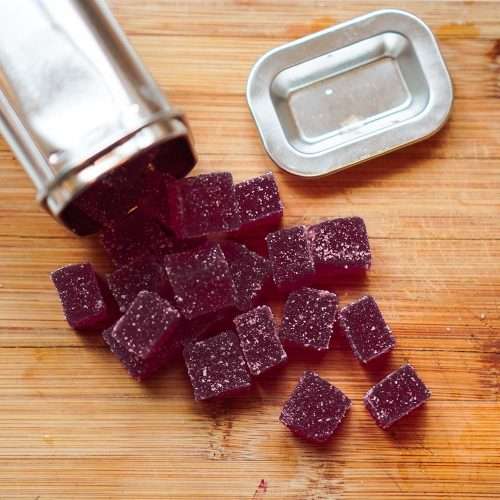 CBD Gummies | 25mg CBD + 5mg CBN | Sleepytime Elderberry
  DIY CBD Hemp Tincture Kit
  Cinnamon | The Daily CBD Tincture
  Dreamland Sleep Tincture | CBD + CBG + CBN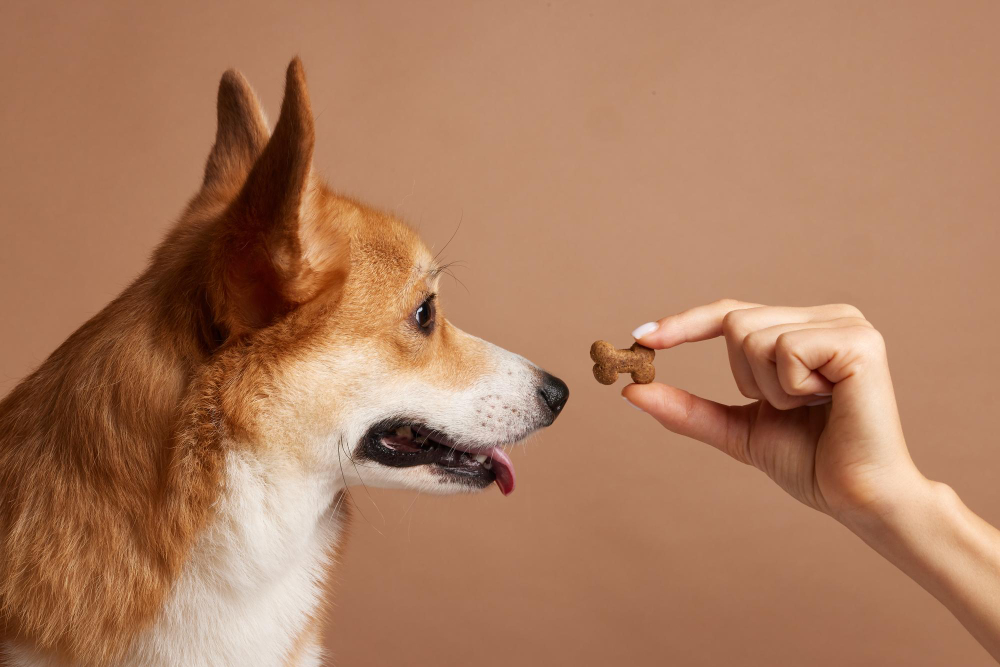
Ever caught your dog munching on your cat’s treats and wondered if it’s safe? It’s a common scenario for pet owners who have both cats and dogs at home. While it may seem harmless at first glance, it raises an important question about the safety and suitability of sharing treats between pets.
Understanding pet-specific nutrition is vital for their health and well-being. Dogs and cats have different dietary needs, and feeding the wrong treats could lead to health problems. Here, we will help you understand why cats and dogs need different treats, the risks involved in letting your dog eat cat treats, and what to do if it happens.
Why Dogs and Cats Have Different Dietary Needs
Dogs and cats have unique dietary requirements because they are biologically different. Cats are obligate carnivores, meaning they rely heavily on animal protein and specific nutrients like taurine that come from meat. On the other hand, dogs are omnivores and can thrive on a more varied diet that includes grains, vegetables, and proteins.
Treats are designed with these differences in mind. Cat treats often have higher protein and fat content to meet a cat’s dietary needs, while dog treats are more balanced to suit a dog’s digestive system. Giving your dog cat treats may upset this balance, leading to health issues.
It’s essential to remember that pets are not interchangeable when it comes to their nutritional needs. Understanding these differences ensures that your furry friends stay healthy and happy.
Can Dogs Eat Cat Treats?
Cat treats are generally made with ingredients like meat, fish, and additional fats to cater to cats’ high-protein diets. While they might seem like a tasty snack for your dog, they’re not necessarily safe or suitable.
In the short term, a few cat treats might not harm your dog. However, dogs with sensitive stomachs could experience digestive issues like vomiting or diarrhea. The high protein and fat levels can also be hard for some dogs to digest, especially if they are not used to it.
So while it’s not immediately dangerous in small amounts, feeding your dog cat treats regularly or in large quantities can create health risks.
Risks of Feeding Cat Treats to Dogs
Cat treats often contain high levels of protein and fat, which can be too rich for dogs. Dogs that consume cat treats frequently might gain weight, experience digestive problems, or develop pancreatitis—a severe and painful condition caused by excess fat in the diet.
Another risk is choking, as cat treats are often smaller and harder than dog treats. They are not designed for a dog’s chewing habits, which can increase the risk of accidental swallowing or blockages. Some ingredients in cat treats may trigger allergic reactions in dogs.
Over time, regularly feeding cat treats to your dog could lead to long-term health complications, such as obesity or nutrient imbalances. It’s better to stick to dog-specific treats designed for their needs.
What to Do If Your Dog Eats Cat Treats
If your dog eats cat treats, stay calm and assess the situation. Check how many treats they ate and monitor for signs of discomfort, such as vomiting, diarrhea, or lethargy.
If your dog only ate a few treats and seems fine, there’s likely no need to worry. However, if they consumed a large amount or show any concerning symptoms, it’s best to contact your veterinarian for advice.
In any case, make sure to store cat treats out of your dog’s reach in the future. This simple step can help prevent accidental snack-sharing.
Safer Alternatives to Cat Treats for Dogs
There are plenty of healthy and tasty alternatives to cat treats for your dog. Look for dog-specific treats that are made with high-quality ingredients and meet your dog’s dietary needs. Many brands offer options tailored to age, size, and health conditions.
You can also try natural or homemade treats, like small pieces of cooked chicken, carrot sticks, or peanut butter (without xylitol). These options are not only safe but also allow you to control the ingredients.
When choosing treats, prioritize those that promote health benefits, such as dental care or joint support. Always check the ingredient list to avoid harmful additives.
Final Thoughts
While it may be tempting to let your dog snack on cat treats, it’s not the best idea. Dogs and cats have different dietary requirements, and feeding the wrong treats can lead to health problems.
If your dog accidentally eats cat treats, monitor them closely and consult your vet if needed. To avoid future issues, choose dog-specific treats that meet their nutritional needs. Keeping your pets happy and healthy starts with making informed choices about their diet!
Interesting Reads: