
 CBD Gummies | 25mg THC-Free | Tropical Sours
 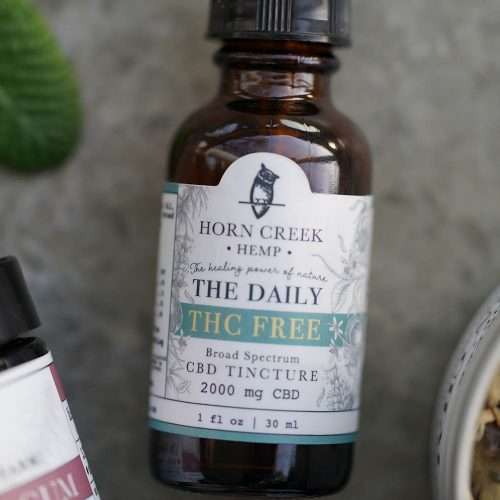 THC-Free | The Daily CBD Tincture
 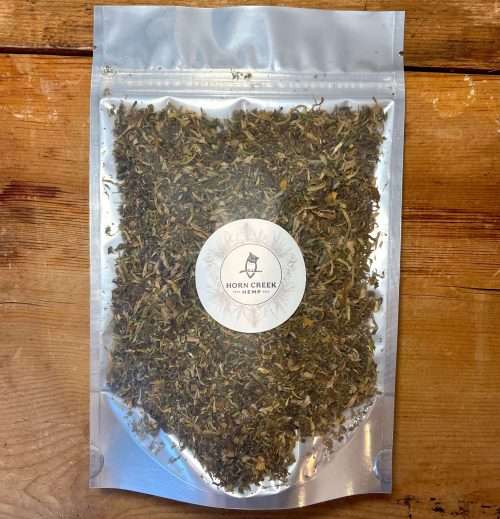 DIY CBD Hemp Tincture Kit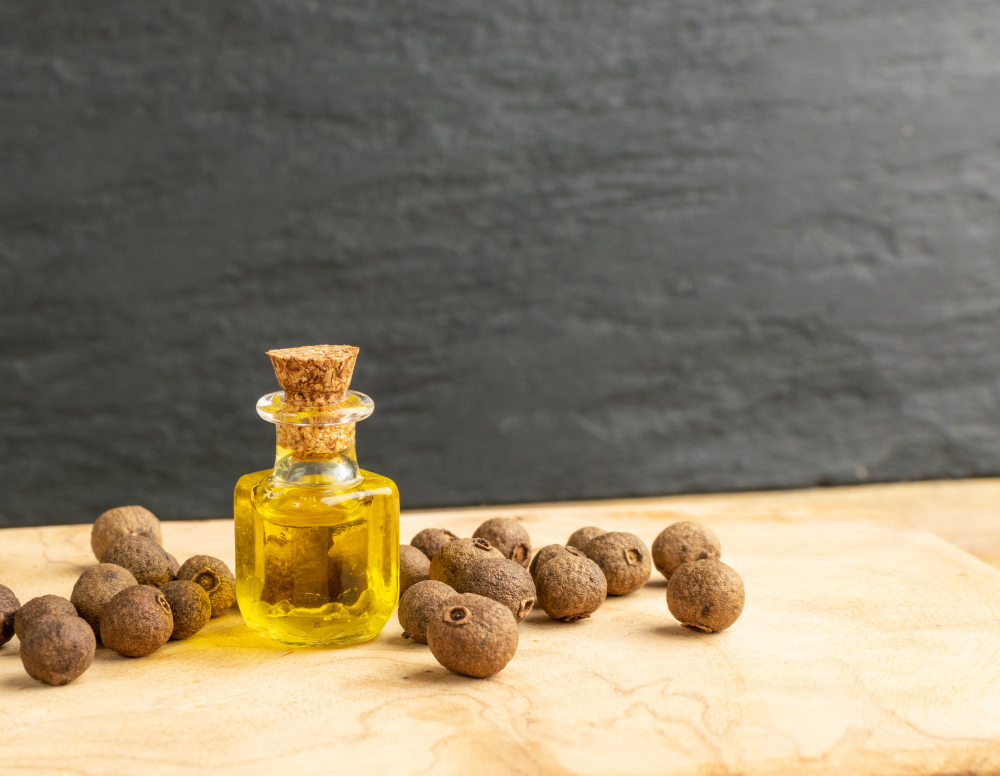
Jojoba oil is a natural oil extracted from the seeds of the jojoba plant, which grows in dry regions like the southwestern United States. This oil is unique because it closely resembles the natural oils our skin produces. It’s popular in skincare and haircare products because it’s moisturizing, non-greasy, and gentle. People use jojoba seed oil to hydrate their skin, reduce wrinkles, and treat conditions like acne and eczema. It’s also used to add shine and softness to hair. Since it’s a natural product, it’s a great choice for those looking for gentle and effective personal care options.
Benefits of Jojoba Oil
For Skin
- Moisturizing: Jojoba oil is excellent for keeping your skin hydrated. Some research suggests, it acts like the natural oils your skin produces, helping to lock in moisture and keep your skin soft and smooth.
- Acne treatment: Researcher suggests, jojoba oil can help treat acne because it doesn’t clog pores. It also has properties that fight bacteria, which can reduce acne breakouts.
- Anti-inflammatory properties: Jojoba oil has anti-inflammatory properties that can help soothe and calm irritated skin. It’s great for reducing redness and swelling from conditions like eczema and rosacea.
For Hair
- Hydration: Jojoba oil is great for keeping your hair hydrated. It can moisturize your scalp and hair without making it greasy, leaving it soft and shiny.
- Dandruff reduction: Using jojoba oil can help reduce dandruff by moisturizing the scalp and keeping it healthy. It helps prevent the dryness and flakiness that lead to dandruff.
- Promoting hair growth: Jojoba oil can help promote hair growth by keeping the scalp healthy and unclogging hair follicles. This creates a better environment for hair to grow.
How to Use Jojoba Oil
Skincare routines
You can add jojoba oil to your daily skincare routine. Use it on your face and body to keep your skin soft and hydrated. It works well for all skin types and can help with dry or oily skin.
Face and body applications
For your face, apply a few drops of jojoba oil after washing your face. It can help with acne and make your skin glow. For your body, rub it on your skin after a shower to lock in moisture and make your skin smooth.
Haircare routines
Jojoba oil can make your hair look shiny and healthy. Use it on your scalp and hair to reduce dryness and frizz. It can also help with dandruff.
Pre-shampoo treatment
Before you wash your hair, apply jojoba oil to your scalp and hair. Let it sit for about 20 minutes. This helps to deeply moisturize your hair and make it easier to manage.
Leave-in conditioner
After washing your hair, you can use jojoba oil as a leave-in conditioner. Apply a small amount to your damp hair to keep it soft and smooth throughout the day.
Other uses
Nail care
Jojoba oil is great for your nails and cuticles. Rub a small amount on your nails and cuticles to keep them strong and healthy.
Makeup remover
You can use jojoba oil to remove makeup. It’s gentle and effective. Put a few drops on a cotton pad and wipe your face to remove makeup and dirt.
Comparing Jojoba Oil with Other Oils
Jojoba Oil vs Argan Oil
Jojoba oil and argan oil are both popular for skincare and hair care, but they have different benefits. Jojoba oil is actually a liquid wax that mimics the natural oils of our skin, making it great for moisturizing without clogging pores. It’s lightweight and absorbs easily, which makes it ideal for people with oily or acne-prone skin. On the other hand, argan oil is richer and more nourishing. It’s packed with vitamins and antioxidants, which help repair damaged hair and skin, making it perfect for those with dry or aging skin.
Jojoba Oil vs Coconut Oil
Jojoba oil and coconut oil are also commonly used in beauty routines, but they serve different purposes. Jojoba oil is light and non-greasy, making it excellent for balancing oil production and moisturizing the skin without making it feel oily. It’s suitable for all skin types, including sensitive and acne-prone skin. Coconut oil, however, is heavier and more occlusive, meaning it forms a barrier on the skin to lock in moisture. It’s great for deep conditioning hair and soothing very dry skin, but it can clog pores and is not recommended for people with oily or acne-prone skin.
Incorporating Jojoba Oil in Daily Routine
DIY Skincare Recipes
Using jojoba oil in homemade skincare recipes is easy and beneficial. You can create simple face moisturizers by mixing a few drops of jojoba oil with your favorite essential oils like lavender or tea tree oil. For a gentle makeup remover, just apply a few drops of jojoba oil to a cotton pad and wipe away your makeup. You can also make a nourishing hair mask by combining jojoba oil with honey and yogurt, leaving it on for about 30 minutes before washing it out. These recipes are simple to make and use natural ingredients that are good for your skin and hair.
Tips for Choosing Quality Products
When buying jojoba oil, look for high-quality products to get the best benefits. Choose cold-pressed, unrefined jojoba oil, as it retains more nutrients and is free from chemicals. The bottle should be dark, like amber or blue, to protect the oil from light, which can degrade its quality. Check the label to ensure it’s 100% pure jojoba oil with no added ingredients. Reading reviews and buying from reputable brands can also help you find a high-quality product that works well for your skincare routine.
Jojoba Oil In Horn Creek Hemp Body Recovery Oil
Horn Creek Hemp’s Redemption Body Recovery Oil combines the benefits of jojoba oil with other natural ingredients to create a soothing and effective product. Jojoba oil is a key component because it closely mimics the natural oils of the skin, providing deep hydration without clogging pores. This oil is great for all skin types and helps to balance oil production, making the skin feel smooth and nourished.
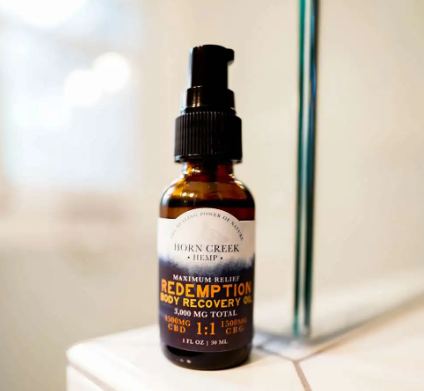
In the Redemption Body Recovery Oil, jojoba oil is blended with hemp extract, which is known for its anti-inflammatory and pain-relieving properties, making it perfect for soothing sore muscles and joints. The combination of these ingredients results in a product that not only moisturizes but also helps to reduce discomfort and promote overall skin health.
The addition of essential oils enhances the experience with a pleasant scent, making it a great choice for anyone looking to improve their skin’s condition while also enjoying a bit of relaxation and relief.
Is jojoba oil edible?
Yes, jojoba oil is edible. It is often used in cooking and baking as a healthy alternative to other oils.
What’s jojoba oil good for?
Jojoba seed oil is good for your skin. It can help moisturize and soften your skin.
Final Thoughts On Jojoba Oil
Jojoba oil is a natural oil that is great for your skin and hair. It keeps your skin soft, helps with acne, and makes your hair healthier. You can use it on your face, body, and hair easily. Try jojoba oil to see how it can improve your beauty routine!
Interesting Reads: