 CBD Gummies | 25mg THC-Free | Tropical Sours
  THC-Free | The Daily CBD Tincture
  DIY CBD Hemp Tincture Kit
Dogs sometimes lick their paws, and that’s normal. But if your dog licks its paws a lot, it could mean there’s a problem. Look at how often your dog licks its paws and how it does it. This can help you figure out why it’s doing it. You might even be able to fix the problem at home. But if you’re worried, it’s always best to talk to your vet.
Here are some things to know about dogs licking their paws and how to make them stop:
Why Does My Dog Lick Their Paws?
If Your Dog Keeps Licking Just One Of its Paws, It Could be Because That Paw is Hurt or Injured in Some Way
If your dog is focusing on licking just one paw, it’s likely they might have an injury. Dogs often lick a specific area to soothe themselves when they’re in pain. This could be due to a cut, scrape, or even something stuck in their paw like a thorn or a small piece of glass. Checking the paw for any visible injuries or foreign objects is a good first step.
Sometimes, dogs can twist or sprain their paws during play or exercise, leading to discomfort. If they’re licking the paw continuously, it could be their way of trying to relieve pain or discomfort from such injuries. In these cases, it’s important to inspect their paw carefully, looking for signs like swelling, redness, or limping.
If you notice any of these signs or the licking persists for more than a day or two, it’s a good idea to take your dog to the vet. They can properly assess the injury and provide treatment if needed, such as antibiotics for cuts or anti-inflammatory medication for sprains.
Canine Paw Licking Potentially Linked to Food or Environmental Allergies
Dogs can have allergies, just like humans. They may develop allergies to certain foods, like grains, chicken, or dairy. Environmental allergens such as pollen, grass, dust mites, and mold can also trigger allergic reactions. One common sign of allergies in dogs is paw licking, as the feet can become itchy and irritated.
When a dog licks their paws due to allergies, it can lead to redness and even cause the skin to break if the licking becomes excessive. You might also notice other signs of allergies, such as ear infections, sneezing, or itchy skin on other parts of the body. It’s important to monitor your dog for these symptoms and note if the paw licking gets worse during certain times of the year.
If you suspect that allergies are the cause of your dog’s paw licking, a visit to the vet is recommended. They can help identify the allergen and suggest treatment options, which may include dietary changes, allergy medications, or topical treatments to soothe their paws.
A Dog Licking Paws May Be Because of Stress or Anxiety
Dogs may lick their paws as a way to cope with stress or anxiety. This behavior is similar to how humans might bite their nails when they’re nervous. Changes in their environment, such as moving to a new home, the arrival of a new pet or family member, or loud noises like thunderstorms or fireworks, can trigger anxiety in dogs.
Licking is a self-soothing behavior for dogs, so if they’re feeling stressed, they might lick their paws excessively. This behavior can become a habit over time if the underlying stress or anxiety isn’t addressed. In some cases, it might even lead to hair loss or sores on their paws from the constant licking.
If you think your dog is licking their paws due to stress or anxiety, try to identify the source of their discomfort and help them feel more secure. Providing a calm, safe space and using calming aids like anxiety wraps or pheromone diffusers can be helpful.
Dogs May Occasionally lick Their Paws Due to Skin Problems like Dryness.
Skin issues like dryness can make a dog’s paws feel uncomfortable, leading them to lick for relief. Dry or cracked paw pads can occur due to various reasons, including exposure to harsh weather conditions, like cold winters or hot pavements. Frequent washing or using harsh chemicals can also strip the natural oils from their paws, causing dryness.
When dogs lick their paws to alleviate the discomfort of dry skin, they might make the problem worse by removing more moisture from the skin. This can create a cycle where the more they lick, the drier their paws become, leading to more licking. In severe cases, the constant licking can cause the skin to crack and bleed.
To help prevent and treat dryness, you can use a dog-safe moisturizer or balm specifically designed for paw pads. Applying these regularly can keep their paws supple and reduce the urge to lick.
Parasites Can Cause Itching in Your Dog, Leading to Licking
Parasites like fleas, mites, and ticks can make your dog extremely itchy. When these pests infest your dog’s paws, the irritation can lead to excessive licking. Fleas, in particular, are notorious for causing itching, and a single flea bite can trigger an allergic reaction in some dogs, leading to intense itching and discomfort.
Mites can cause a condition known as mange, which results in severe itching and can affect a dog’s paws. Ticks, on the other hand, might attach themselves between the toes or on the paw pads, causing localized itching and irritation. If your dog is licking their paws and you notice hair loss, redness, or small black or brown specks, it could be a sign of parasites.
Regular grooming and flea prevention treatments are essential to protect your dog from these pests. If you suspect your dog has a parasite infestation, it’s important to consult your vet for proper diagnosis and treatment. They can provide you with effective flea control products and advice on how to keep your dog parasite-free.
When Should You Take Your Dog to the Vet?
It’s important to monitor your dog’s paw licking habits. Occasional licking is normal, but if it becomes excessive or you notice signs like swelling, redness, or bleeding, it’s time to consult a vet. Persistent licking can indicate underlying issues that need medical attention, such as injuries, infections, or allergies.
If your dog’s paw licking is accompanied by other symptoms like limping, loss of appetite, or changes in behavior, this could indicate a more serious problem. Also, if you notice any signs of infection, such as pus, an unpleasant odor, or severe redness, it’s crucial to seek veterinary care immediately.
Early intervention can help prevent minor issues from becoming serious health problems. A vet can provide a proper diagnosis and recommend treatments, which may include medications, dietary changes, or lifestyle adjustments to address the root cause of the licking.
Prevention and Treatment for Excessive Paw Licking
Preventing and treating excessive paw licking involves identifying the underlying cause and addressing it directly. Regular grooming and inspection of your dog’s paws can help catch issues early. Check for foreign objects, cuts, or signs of parasites, and keep their paws clean and dry to prevent infections.
If allergies are the cause, work with your vet to identify the allergens and develop a management plan. This might include dietary changes, allergy medications, or avoiding certain environmental triggers. For dogs licking due to stress or anxiety, providing a calming environment and using stress-reducing tools can be beneficial.
Using paw balms or moisturizers can help keep their skin supple and prevent dryness. Ensure your dog is on a balanced diet that supports overall skin and coat health. In some cases, using deterrent sprays with a bitter taste can discourage licking, but it’s important to address the underlying cause rather than just the behavior.
Covering Your Dog’s Paws May Help Prevent licking
Covering your dog’s paws can be an effective way to prevent them from licking, especially if they have an injury or skin condition that needs time to heal. You can use dog booties or socks to cover their paws. These can act as a barrier, preventing your dog from accessing the area and giving it time to recover.
When using coverings, ensure they fit properly and are comfortable for your dog. They should not be too tight, as this can cause discomfort or restrict blood flow. Make sure to remove them periodically to let the paws breathe and to check for any signs of irritation or moisture buildup.
Using coverings is usually a temporary solution and should be combined with other treatments as recommended by your vet. It’s important to address the root cause of the paw licking to prevent it from becoming a long-term issue.
Tend to Your Dog’s Paws When They Come Inside
Regularly tending to your dog’s paws when they come inside can help reduce licking caused by irritants. After walks or outdoor playtime, it’s a good idea to wipe their paws with a damp cloth to remove dirt, pollen, chemicals, or any other potential irritants they might have picked up. This is especially important during the winter when de-icing salts are used on sidewalks, as these can be harsh on your dog’s paws.
Inspecting their paws after outdoor activities can also help you catch any injuries or foreign objects early on. Gently cleaning their paws and checking between their toes can prevent small issues from becoming bigger problems.
In addition to regular cleaning, consider using paw wax or protective balms before taking your dog outside. These products can create a barrier on the paw pads, protecting them from harsh surfaces and irritants.
Use a CBD Oil to Keep Your Dog’s Paws Supple
Moisturizing your dog’s paws is essential for preventing dryness and cracking, which can lead to licking. Utilizing CBD oil for dogs can effectively keep their paw pads soft and healthy. This product is specifically formulated for dogs and is safe for occasional licking.
Regular application of CBD oil is recommended, particularly after walks or exposure to harsh weather conditions. This not only soothes any irritation but also provides a protective barrier against dryness. Ensure that the CBD oil is made from natural, dog-safe ingredients without harmful chemicals or fragrances that could irritate your dog’s skin.
Frequent use of CBD oil can help maintain the health of your dog’s paws and minimize licking caused by dryness. If you’re uncertain about which CBD product to choose, consulting your veterinarian can provide guidance tailored to your dog’s specific needs.
Maintain a Balanced Diet and Daily Routine For Your Dog
A well-rounded diet and consistent daily routine play a significant role in your dog’s overall health, including the condition of their paws. Providing a balanced diet rich in essential nutrients, vitamins, and fatty acids can help support healthy skin and coat, reducing the likelihood of paw dryness or skin issues that can cause licking.
In addition to a balanced diet, maintaining a regular grooming routine is important. This includes regular nail trimming, which can prevent discomfort and injuries that might lead to paw licking. Keeping their living environment clean and free of allergens also helps prevent allergic reactions that can cause itching and licking.
Ensuring your dog gets regular exercise and mental stimulation can help reduce stress and anxiety, which are common causes of excessive paw licking. A happy, healthy dog is less likely to engage in behaviors like obsessive paw licking.
Use Citrus or Bitter Apple to Make Your Dog Paws Taste Unpleasant
If your dog keeps licking their paws, you can use taste deterrents to discourage the behavior. Spraying a safe, non-toxic deterrent like bitter apple or citrus on their paws can make them taste unpleasant, which can help break the habit. These sprays are typically harmless to dogs but have a bitter taste that they find unappealing.
Before using any taste deterrents, make sure they are safe and specifically designed for dogs. Apply a small amount to your dog’s paw and observe their reaction. Some dogs might be more sensitive than others, so it’s important to ensure they don’t have an adverse reaction to the spray.
Using taste deterrents can be a temporary solution to discourage licking, but it’s crucial to address the underlying cause. Work with your vet to identify and treat the reason behind the licking, so your dog doesn’t develop a different behavior to cope with the discomfort.
How Can Horn Creek CBD Tincture For Dog Help Address Paw Licking?
Horn Creek CBD Tincture for dogs can be helpful in addressing paw licking by promoting relaxation and reducing anxiety. Many dogs lick their paws due to stress or discomfort. The CBD in the tincture interacts with the dog’s endocannabinoid system, which can help calm them down and make them feel more at ease. This can lead to less obsessive behaviors like paw licking.
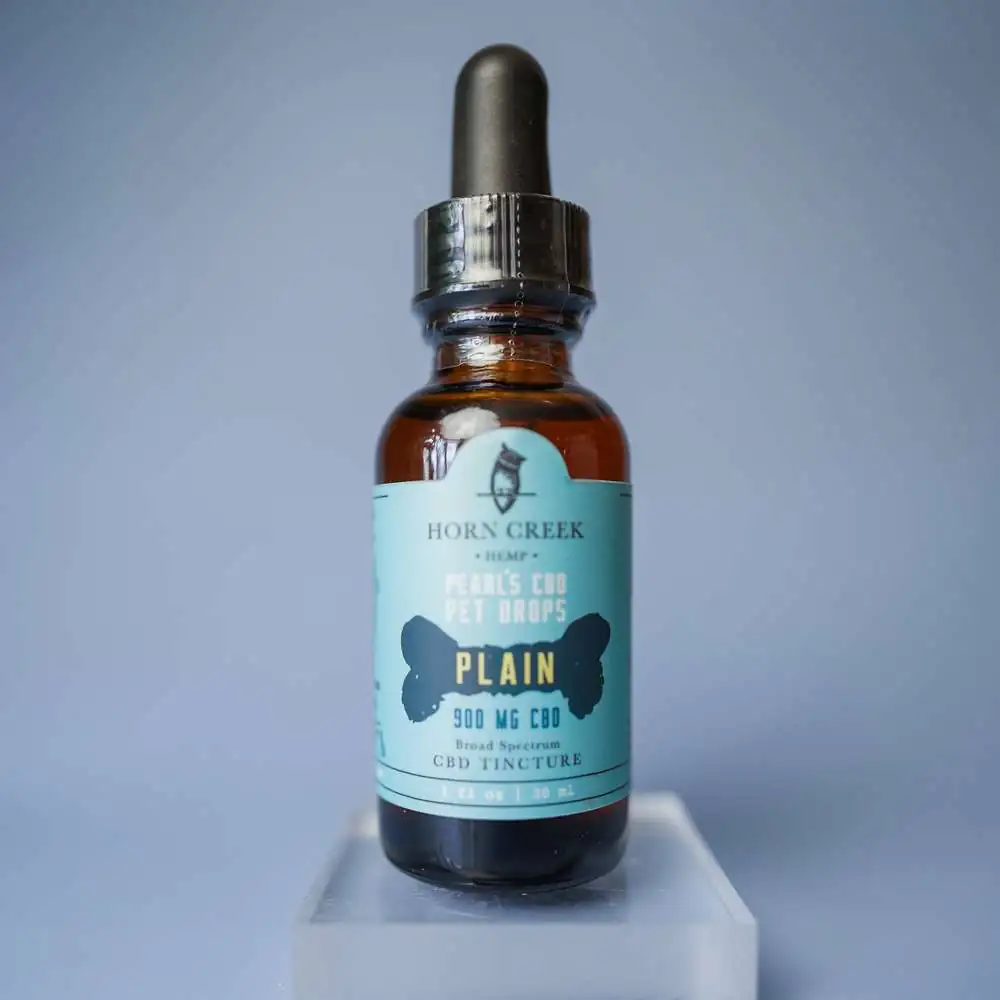
The tincture may help with any underlying pain or irritation that could be causing the licking. If a dog has allergies or skin issues, the soothing properties of CBD can provide relief. By using Horn Creek’s CBD tincture, pet owners may notice their dogs licking their paws less frequently, leading to happier and healthier pets overall.
The Danger of a Dog licking Its Paws
Excessive paw licking can lead to secondary infections, which occur when the skin becomes damaged and allows bacteria or fungi to enter. Constant licking can cause the skin to break down, leading to redness, swelling, and open sores. These wounds can become infected, resulting in pain, discharge, and a foul odor.
Secondary infections can make the paw licking problem worse, creating a cycle where the dog continues to lick to soothe the discomfort caused by the infection. If left untreated, these infections can become severe and may require more intensive treatment like antibiotics or antifungal medications.
To prevent secondary infections, it’s important to address the cause of the paw licking early and take steps to protect your dog’s paws. Keeping their paws clean, using protective coverings, and applying vet-recommended treatments can help prevent infections from developing. If you suspect your dog has a secondary infection, seek veterinary care promptly for proper diagnosis and treatment.
Interesting Reads:
Do Vets Recommend CBD Oil for Dogs?